
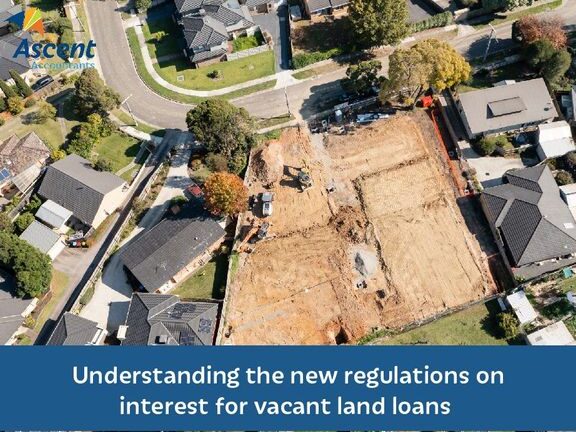
Are you a property owner with vacant land sitting idly? If so, you may be subject to vacant residential land tax. Understanding this tax and its implications is crucial to avoid penalties and compliance issues. In this article, we will delve into the details of vacant residential land tax, exploring what it is, who it affects, and how you can navigate this aspect of property ownership successfully.
Demystifying Australia’s Vacant Land Tax: What You Need to Know
When it comes to vacant residential land tax in Australia, understanding the key aspects can help you navigate this regulatory requirement more effectively. Here’s what you need to know to demystify Australia’s vacant land tax:
1. Definition of Vacant Residential Land:
In Australia, vacant residential land is defined as land that is not being used or occupied by any building. This includes land that may have a structure on it but is not used as a residence.
2. Tax Implications:
Owners of vacant residential land may be subject to vacant land tax if the property meets the criteria set by the local government. It’s essential to check with your local council or state revenue office to determine if your property is liable for this tax.
3. Exemptions and Concessions:
Some properties may be exempt from vacant land tax, such as land used for primary production or if the property is undergoing significant renovations. Additionally, there are concessions available for certain property owners, such as seniors or pensioners.
4. Reporting and Compliance:
It’s crucial to stay informed about reporting requirements and deadlines for vacant land tax. Failing to comply with these regulations can result in penalties or fines. Regularly check for updates on regulations and ensure timely submission of any required documentation.
5. Seeking Professional Advice:
If you’re unsure about how vacant land tax applies to your property or need assistance in navigating the regulations, consider seeking advice from a tax professional or legal advisor. They can provide tailored guidance based on your specific circumstances.
By familiarizing yourself with the ins and outs of vacant residential land tax in Australia, you can proactively manage your obligations and avoid any potential issues. Stay informed, seek assistance when needed, and ensure compliance to navigate this aspect of property ownership smoothly.
Demystifying Victoria’s 2025 Vacant Land Tax: What You Need to Know
Vacant residential land tax in Victoria is an important consideration for property owners, and understanding the key aspects can help you avoid potential issues. The 2025 changes to this tax law aim to address vacant properties and promote land utilization efficiently. Here’s what you need to know to navigate this regulation effectively:
1. Determine if Your Property is Subject to the Tax: Check if your property meets the criteria set by the Victorian government to be classified as vacant residential land. Factors such as land use, ownership, and occupancy play a role in this assessment.
2. Understand Exemptions and Concessions: Certain properties may be eligible for exemptions or concessions on the vacant land tax. Familiarize yourself with the available options to potentially reduce your tax liability.
3. Keep Track of Key Dates and Deadlines: Stay informed about important dates related to the vacant land tax, including assessment periods, payment deadlines, and any requirements for declarations or submissions.
4. Seek Professional Advice: If you’re unsure about how the vacant residential land tax applies to your property or need assistance with compliance, consider consulting with a tax professional or legal advisor specializing in property taxation.
By staying informed and proactive in managing your obligations regarding the vacant residential land tax, you can ensure compliance with the law and avoid any penalties or issues that may arise. Remember to regularly check for updates or changes to the legislation to adapt your approach accordingly.
Demystifying Victoria’s Vacancy Tax: What You Need to Know
Vacant residential land tax in Victoria aims to encourage property owners to make residential properties available for rent or sale to increase housing supply. If you own residential property in Victoria, it’s essential to understand how this tax works to avoid penalties and comply with the law.
Here are some key points to consider about Victoria’s vacancy tax:
- Definition of Vacant Land: The tax applies to residential properties that are unoccupied for more than six months in a calendar year.
- Exemptions: Some properties are exempt from the tax, such as holiday homes, properties undergoing renovations, deceased estates, and homes owned by specific trusts or government bodies.
- Reporting Requirements: Property owners need to declare the status of their property to the State Revenue Office annually to determine if the tax applies.
- Penalties: Failure to comply with the reporting requirements or incorrect declarations can result in substantial fines.
To avoid issues with the vacant residential land tax, ensure that you keep accurate records of your property’s occupancy status and meet reporting deadlines. If you believe your property qualifies for an exemption, make sure to provide the necessary documentation to support your claim.
For more detailed information on Victoria’s vacancy tax, visit the official State Revenue Office website or consult with a tax professional to ensure compliance with the regulations.
Decoding Victoria’s Latest Land Tax Regulations: What You Need to Know
When it comes to understanding Victoria’s latest land tax regulations, particularly in the context of vacant residential land tax, there are key points you need to be aware of to ensure compliance and avoid any penalties. Here’s a breakdown of what you need to know:
1. Definition of Vacant Residential Land: According to Victoria’s regulations, vacant residential land refers to properties that have been unoccupied for a specified period, typically exceeding six months in a calendar year.
2. Exemptions and Thresholds: It’s important to familiarize yourself with the exemptions and thresholds related to vacant residential land tax. Certain properties, such as those under construction or undergoing renovations, may be exempt from this tax.
3. Declaration Requirements: Property owners must declare to the authorities if their property falls under the category of vacant residential land. Failure to make this declaration can result in fines and penalties.
4. Compliance and Reporting: Ensure that you comply with all reporting requirements related to vacant residential land tax. Keep accurate records and submit any necessary documentation to the relevant authorities on time.
5. Seeking Professional Advice: If you have any doubts or questions regarding vacant residential land tax regulations, consider seeking advice from a tax professional or legal expert who specializes in property taxation.
By staying informed and proactive in understanding Victoria’s vacant residential land tax regulations, you can navigate the requirements effectively and avoid any potential issues. Remember to stay updated on any changes or amendments to the regulations to ensure full compliance.
As a final tip on the topic of vacant residential land tax, remember to regularly check the criteria and deadlines set by your local authorities to ensure compliance and avoid any penalties. It’s essential to keep your property information up to date to stay on top of any changes that may affect your tax obligations.
Thank you for reading our blog and staying informed about legal and regulatory matters related to certificates, contracts, declarations, licenses, renewals, and tax issues. We hope you found the information helpful and valuable for your situation.
Remember, this blog is for informational purposes only, and it’s always advisable to consult with a professional in the field to address your specific needs and concerns.
We invite you to share your thoughts in the comments section below, share this article on your social media platforms, or explore other related articles on our website. Your active participation helps us create content that is relevant and beneficial to our readers.
Thank you for being a part of our community. Stay informed, stay compliant, and stay empowered in managing your legal and tax matters!
If you found this article informative and engaging, be sure to visit our Property Tax section for more insightful articles like this one. Whether you’re a seasoned enthusiast or just beginning to delve into the topic, there’s always something new to discover in auslegalhub.com. See you there!

