
Are you a property owner looking to sell your rental property? Understanding capital gains tax is crucial to avoid unexpected financial implications. In this article, we will delve into the essentials of capital gains tax on rental properties, providing you with practical guidance to navigate this complex aspect of property investment. Let’s ensure you are well-equipped to make informed decisions and maximize your returns.
Demystifying Capital Gains Tax on Investment Properties: Your Essential Guide
When it comes to capital gains tax on rental property, understanding the ins and outs can save you time and money in the long run. Here is your essential guide to navigating the complexities of capital gains tax on investment properties.
What is Capital Gains Tax on Rental Property?
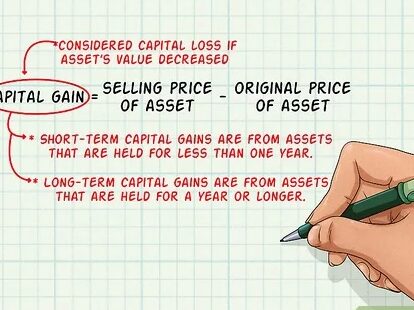
Capital gains tax is the tax imposed on the profit made from selling an investment property. When you sell a rental property for more than you paid for it, you will likely have to pay capital gains tax on the profit.
How is Capital Gains Tax Calculated?
The amount of capital gains tax you owe is calculated based on the difference between the property’s purchase price (adjusted basis) and the selling price. The tax rate can vary depending on how long you owned the property and your income tax bracket.
Strategies to Minimize Capital Gains Tax on Rental Property
- Consider holding onto the property for more than a year to qualify for lower long-term capital gains tax rates.
- Use the 1031 exchange to defer capital gains tax by reinvesting the profits into another investment property.
- Keep detailed records of home improvements and maintenance expenses to adjust the property’s basis and reduce the taxable gain.
Reporting Capital Gains Tax on Your Tax Return
When you sell a rental property, you must report the capital gains or losses on your tax return. Use Form 8949 and Schedule D to report the sale and calculate the capital gains tax owed.
Seek Professional Advice
Dealing with capital gains tax on rental property can be complex, so it’s advisable to seek the guidance of a tax professional or accountant to ensure compliance with tax laws and maximize your tax savings.
By understanding the basics of capital gains tax on investment properties and implementing tax-saving strategies, you can navigate the process with confidence and make informed decisions regarding your rental property investments.
Smart Strategies to Minimize Capital Gains Tax on Property
When it comes to capital gains tax on rental property, there are smart strategies that can help you minimize your tax liability. By taking some proactive steps, you can potentially reduce the amount of tax you owe on any capital gains you make from the sale of your rental property. Here are some practical tips to consider:
1. Hold the Property for the Long Term
One effective strategy to minimize capital gains tax on property is to hold onto your rental property for the long term. By doing so, you may qualify for long-term capital gains tax rates, which are typically lower than short-term capital gains tax rates.
2. Take Advantage of 1031 Exchanges
Another way to defer paying capital gains tax on rental property is to use a 1031 exchange. This allows you to reinvest the proceeds from the sale of one rental property into another similar property without recognizing the capital gains for tax purposes.
3. Keep Track of Your Expenses
Make sure to keep detailed records of all expenses related to your rental property, such as repairs, maintenance, and improvements. These expenses can be used to offset your capital gains when it comes time to sell the property.
4. Consider Depreciation Recapture
Be aware that when you sell a rental property, you may be subject to depreciation recapture tax on any depreciation deductions you claimed while you owned the property. Understanding this tax implication can help you plan accordingly.
5. Consult with a Tax Professional
Finally, it’s always a good idea to consult with a tax professional or accountant who is knowledgeable about capital gains tax rental property. They can provide personalized advice based on your specific situation and help you navigate the complexities of the tax code.
By implementing these smart strategies and staying informed about the tax implications of selling rental property, you can take proactive steps to minimize your capital gains tax on property and maximize your after-tax profits.
Understanding the 6-Year Rule for Capital Gains: Your Guide to Tax Savings
If you own a rental property and are looking to optimize your capital gains tax liabilities, understanding the 6-Year Rule can be key to maximizing your tax savings. The 6-Year Rule allows you to treat a property as your primary residence for tax purposes even if you rent it out, potentially reducing the amount of capital gains tax you may owe when you sell the property. Here’s a breakdown of how the 6-Year Rule works and how you can benefit from it:
How Does the 6-Year Rule Work?
The 6-Year Rule allows you to treat a property as your main residence for capital gains tax purposes for up to six years after you move out, as long as you don’t claim another property as your main residence during this time. This means that even if you rent out the property during this period, you can still benefit from the capital gains tax exemptions that would typically apply to your primary residence.
How Can You Benefit from the 6-Year Rule?
By taking advantage of the 6-Year Rule, you can potentially save a significant amount on capital gains tax when you sell your rental property. For example, if you lived in the property for three years before renting it out and then sold it within the six-year window, you could exempt a portion of the capital gains from taxation.
Here’s a simplified breakdown of how the 6-Year Rule can work in your favor:
| Years Owned | Percentage Exempt from Capital Gains Tax |
|---|---|
| 1-3 years | 100% |
| 4-6 years | 50% |
Key Considerations When Using the 6-Year Rule
- Ensure you keep detailed records of the time you lived in the property and the time it was rented out to substantiate your claim.
- Be aware of the impact of other tax implications, such as Goods and Services Tax (GST) for rental properties.
- Consult with a tax professional or accountant to ensure you fully understand how the 6-Year Rule applies to your specific situation.
By understanding and strategically using the 6-Year Rule, you can potentially minimize your capital gains tax obligations and maximize your tax savings when selling a rental property. Remember to stay informed about any updates to tax laws and regulations that may affect your tax planning strategies.
Demystifying the 12-Month Rule: Your Guide to Capital Gains Tax
When it comes to capital gains tax rental property, understanding the 12-Month Rule is crucial. This rule can significantly impact the taxes you owe when selling a rental property. Let’s break it down to simplify the process for you.
What is the 12-Month Rule?
The 12-Month Rule refers to the timeframe used to determine whether a capital gain is considered short-term or long-term. Short-term capital gains are taxed at a higher rate than long-term gains. For capital gains tax rental property, the rule states that if you hold the property for more than 12 months before selling, the gain is usually considered long-term.
Implications of the 12-Month Rule for Rental Property Owners
For rental property owners, understanding the implications of the 12-Month Rule is essential. By holding onto your property for at least 12 months before selling, you may benefit from lower tax rates on your capital gains. This can result in substantial savings in taxes owed.
Practical Example:
| Scenario | Tax Rate |
|---|---|
| Property held for less than 12 months | Short-term capital gains tax rate (up to 37%) |
| Property held for more than 12 months | Long-term capital gains tax rate (0%, 15%, or 20%) |
Maximizing Tax Benefits
To maximize your tax benefits when dealing with capital gains tax rental property, consider holding onto your property for over 12 months before selling. This simple strategy can lead to significant tax savings and increase your overall profit from the sale.
Remember, tax laws can be complex and subject to change. It’s always advisable to consult with a tax professional or legal advisor to ensure you are complying with current regulations and taking full advantage of available tax benefits.
Before we wrap up, here’s a final tip for dealing with capital gains tax on rental property: consider consulting with a tax professional or accountant to ensure you are maximizing your deductions and minimizing your tax liability.
Remember, navigating the ins and outs of capital gains tax can be complex, so seeking expert advice can save you time, money, and headaches in the long run. If you have any questions or would like to share your own experiences with capital gains tax on rental properties, feel free to leave a comment below. Your input can help others facing similar challenges!
Thank you for reading our blog and stay tuned for more insightful articles on legal, regulatory, and practical aspects of certificates, contracts, declarations, licenses, renewals, and tax issues. Remember, always consult with a professional in the field to ensure you are making informed decisions.
Don’t forget to share this article on social media to help others in your network, and explore our other related articles for more valuable information. Your support is greatly appreciated!
Until next time, take care and make informed choices!
If you found this article informative and engaging, be sure to visit our Other Taxes section for more insightful articles like this one. Whether you’re a seasoned enthusiast or just beginning to delve into the topic, there’s always something new to discover in auslegalhub.com. See you there!

