
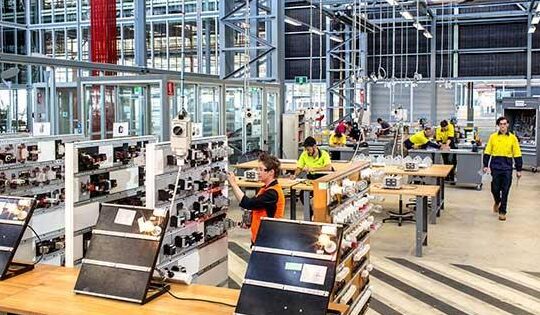
Welcome to our latest article focusing on the UEE22011 Certificate II in Electrotechnology. In this piece, we will explore the key aspects of this certification, including its requirements, benefits, and potential career opportunities. Whether you are considering entering the field of electrotechnology or looking to advance your existing skills, this certificate could be the stepping stone you need. Let’s delve into the essential information you need to know about this qualification.
Demystifying Certificate II in Electrotechnology: Your Complete Guide
Welcome to your comprehensive guide on UEE22011 Certificate II in Electrotechnology. This certificate is vital for those looking to kickstart a career in the electrical industry. Let’s demystify this certificate and break down what you need to know to succeed.
What is UEE22011 Certificate II in Electrotechnology?
The UEE22011 Certificate II in Electrotechnology is a nationally recognized qualification that provides the foundational skills and knowledge for individuals entering the electrical industry. It covers areas such as electrical safety, tools and equipment, circuits, and workplace practices.
Key Components of UEE22011 Certificate II
Here are some key components of the UEE22011 Certificate II in Electrotechnology:
- Understanding electrical principles and safety
- Using electrical tools and equipment
- Reading and interpreting electrical diagrams
- Installing electrical wiring and components
- Following workplace procedures and regulations
Why is UEE22011 Certificate II Important?
Obtaining the UEE22011 Certificate II in Electrotechnology is essential for anyone looking to work as an electrician or electrical tradesperson. It provides a solid foundation of knowledge and skills that are required to work safely and competently in the electrical industry.
How to Obtain UEE22011 Certificate II
Here are the general steps to obtain the UEE22011 Certificate II in Electrotechnology:
- Enroll in a registered training organization (RTO) that offers the UEE22011 course.
- Complete the required units of competency, which may include both theoretical and practical assessments.
- Gain hands-on experience in a workplace setting to apply your learning.
- Successfully complete all assessments to obtain your certificate.
Renewal and Upkeep of UEE22011 Certificate II
Once you have obtained your UEE22011 Certificate II, it is essential to keep it current. This may involve undertaking further training or professional development to stay up-to-date with industry standards and regulations.
Remember, the UEE22011 Certificate II in Electrotechnology opens doors to various career opportunities in the electrical industry. Stay informed, keep learning, and take the necessary steps to advance your career in this dynamic field.
Unlocking Electrotechnology Salaries: What You Need to Know
When it comes to pursuing a career in electrotechnology with a UEE22011 Certificate II, understanding the salary potential is crucial. Here are some key points to consider when aiming to unlock the earning opportunities in this field:
- Industry Demand: The demand for skilled electrotechnology professionals continues to grow, leading to competitive salaries.
- Specialization: Specializing in specific areas such as renewable energy or automation can lead to higher earning potential.
- Experience Matters: Gaining experience through internships or apprenticeships can significantly impact your salary expectations.
- Further Education: Pursuing advanced certifications or degrees can open doors to higher-paying positions within the electrotechnology industry.
It’s essential to stay informed about industry trends and salary benchmarks to negotiate effectively. Researching average salaries for UEE22011 Certificate II holders in your area can provide valuable insights into what to expect. Additionally, networking with professionals in the field can help you gauge salary ranges and identify potential opportunities for growth.
Remember, investing in your skills and staying updated with the latest technologies can not only increase your earning potential but also open doors to exciting career prospects in the dynamic field of electrotechnology.
Demystifying Certificate II in Engineering Pathways: Your Roadmap to Success
When pursuing the UEE22011 Certificate II in Electrotechnology, understanding the pathway to success is crucial. Demystifying this certificate and its requirements can help you navigate the journey more effectively. Here is your roadmap to success:
1. Research and Planning:
Start by researching the UEE22011 Certificate II in Electrotechnology to understand its scope and requirements. Make a study plan that includes all the units you need to complete and the skills you need to develop.
2. Enroll in a Registered Training Organization (RTO):
Find a reputable RTO that offers the UEE22011 Certificate II in Electrotechnology. Ensure that the RTO is accredited and can provide you with the necessary training and support.
3. Attend Classes and Practical Sessions:
Engage actively in your classes and practical sessions to gain hands-on experience. This will help you develop the skills required for the UEE22011 Certificate II in Electrotechnology.
4. Complete Assessments and Projects:
Work diligently on your assessments and projects to demonstrate your understanding of the course material. Seek feedback from your instructors to improve your performance.
5. Apply for Recognition of Prior Learning (RPL):
If you have relevant work experience or prior learning, consider applying for RPL to receive credit for the knowledge and skills you already possess. This can shorten the duration of your course.
6. Prepare for the Final Assessment:
Prioritize your preparation for the final assessment. Revise the course material, practice sample questions, and seek clarification on any doubts you may have.
7. Obtain your UEE22011 Certificate II in Electrotechnology:
Upon successful completion of all requirements and assessments, you will be awarded the UEE22011 Certificate II in Electrotechnology. Celebrate your achievement and consider furthering your studies or entering the workforce in the field.
By following this roadmap to success and staying focused on your goals, you can successfully navigate the UEE22011 Certificate II in Electrotechnology and set yourself up for a rewarding career in electrotechnology.
Becoming an Electrician in QLD: Steps to Kickstart Your Career
If you are considering a career as an electrician in Queensland and looking to kickstart your journey, obtaining the UEE22011 Certificate II in Electrotechnology is a vital step in the right direction. This certification equips you with the foundational knowledge and skills required to enter the electrical industry and pursue various opportunities within the field.
Here are the key steps you need to take to become an electrician in QLD:
- Research: Begin by researching the requirements and expectations for electricians in Queensland. Understand the role, responsibilities, and potential career paths available in the electrical industry.
- Enroll in a Registered Training Organization (RTO): Look for an RTO offering the UEE22011 Certificate II in Electrotechnology. Ensure the RTO is accredited and recognized to provide quality training.
- Complete the Course: Enroll in and successfully complete the UEE22011 Certificate II in Electrotechnology course. This will cover essential topics such as electrical safety, tools and equipment, basic electrical circuits, and industry regulations.
- Gain Practical Experience: Seek opportunities to gain hands-on experience through internships, apprenticeships, or entry-level positions in the electrical field. Practical experience is invaluable in applying your knowledge to real-world situations.
- Apply for an Electrical Trainee License: Once you have completed the UEE22011 Certificate II in Electrotechnology and gained practical experience, you can apply for an Electrical Trainee License through the Electrical Safety Office in Queensland.
- Continue Your Education: Consider advancing your skills and knowledge by pursuing further certifications or specializations in electrotechnology. Continuous learning and upskilling are essential in staying competitive in the industry.
By following these steps and obtaining the UEE22011 Certificate II in Electrotechnology, you can lay a solid foundation for a successful career as an electrician in Queensland. Remember to stay informed about industry updates, regulations, and best practices to excel in this dynamic field.
As a final tip for those pursuing the UEE22011 Certificate II in Electrotechnology, remember that practice makes perfect. Take every opportunity to apply what you learn in real-world scenarios to reinforce your understanding and skills.
Thank you for reading our blog and staying informed on legal, regulatory, and practical aspects related to certificates, contracts, declarations, licenses, renewals, and tax issues. If you found this article helpful, we invite you to leave a comment sharing your thoughts or share it on your social media platforms to help others facing similar challenges.
Remember, while our blog provides valuable insights, always consult with a professional in the field for personalized advice and guidance.
Stay tuned for more informative content and practical tips. Keep learning, growing, and excelling in your pursuits!
If you found this article informative and engaging, be sure to visit our Education Certificates section for more insightful articles like this one. Whether you’re a seasoned enthusiast or just beginning to delve into the topic, there’s always something new to discover in auslegalhub.com. See you there!

