
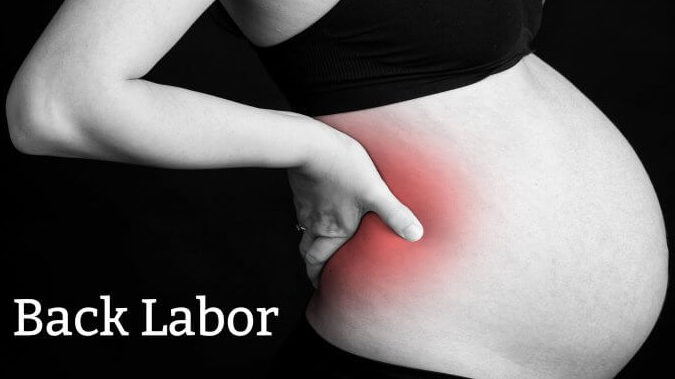
Experiencing period-like pain at 40 weeks pregnant without contractions can be both confusing and worrisome for expectant mothers. In this article, we will explore the possible reasons behind this discomfort and provide practical advice on when to seek medical assistance. Understanding the nuances of late pregnancy symptoms can help alleviate anxiety and ensure a smooth transition into labor and delivery.
Understanding Late Pregnancy Cramps: What to Expect at 40 Weeks
Feeling 40 weeks pregnant period pain but no contractions can be unsettling, but it’s not uncommon. As your due date approaches, your body goes through various changes, and cramps are a normal part of the process. Understanding what to expect at this stage can help ease your concerns and ensure a smooth transition into labor.
Here are some key points to consider when experiencing 40 weeks pregnant period pain but no contractions:
- Stay Calm: It’s essential to stay calm when you feel cramps at 40 weeks. Stress can exacerbate the pain, so take deep breaths and try to relax.
- Monitor the Pain: Keep track of the intensity and frequency of the cramps. If they become regular and increasingly painful, it could be a sign of labor starting.
- Stay Hydrated: Dehydration can cause muscle cramps, so make sure you drink plenty of water to stay hydrated.
- Change Positions: Sometimes, a change in position can help alleviate the cramps. Try lying down on your left side or taking a warm bath.
If you’re experiencing 40 weeks pregnant period pain but no contractions and are unsure about the symptoms, it’s always best to consult your healthcare provider. They can provide personalized advice and guidance based on your specific situation. Remember, every pregnancy is unique, so trust your instincts and seek help when needed.
Understanding Early Labor: Dealing with Period-Like Pains
When 40 weeks pregnant period pain but no contractions occur, it can be confusing and concerning for expectant mothers. Understanding early labor signs, especially when experiencing period-like pains, is crucial in this stage of pregnancy. Here are some key points to consider:
1. Stay Calm and Monitor the Pain:
It’s essential to stay calm and monitor the 40 weeks pregnant period pain but no contractions. Period-like pains can be a sign of early labor, but they can also be due to other factors like Braxton Hicks contractions or normal discomfort associated with the final weeks of pregnancy.
2. Time the Contractions:
If you start experiencing contractions along with the period-like pains, it’s important to time them. True labor contractions will become regular, longer, and more intense over time. Use a contraction timer app or watch to track the frequency and duration of contractions.
3. Contact Your Healthcare Provider:
If you are unsure about the 40 weeks pregnant period pain but no contractions you are experiencing, don’t hesitate to contact your healthcare provider. They can provide guidance on whether these signs indicate the onset of labor or if it’s a false alarm.
4. Prepare for Labor:
Regardless of whether the period-like pains lead to actual labor or not, it’s a good idea to start preparing for the arrival of your baby. Pack your hospital bag, make a birth plan, and ensure you have essential items ready for the big day.
By understanding early labor signs and how to deal with 40 weeks pregnant period pain but no contractions, you can navigate this final stage of pregnancy with more confidence and peace of mind.
Understanding Late Pregnancy Pains: 40 Weeks and Counting
If you are experiencing 40 weeks pregnant period pain but no contractions, it’s essential to understand the possible causes and how to manage this discomfort effectively. At 40 weeks, you are nearing the end of your pregnancy, and it’s common to feel various aches and pains as your body prepares for labor. However, persistent pain without contractions may raise some concerns.
One common reason for 40 weeks pregnant period pain but no contractions is the pressure and strain on your muscles and ligaments as your baby continues to grow and move into position. This can lead to increased discomfort, especially in the lower back and pelvic area. Additionally, as your body releases hormones to loosen your joints in preparation for childbirth, you may experience increased pelvic pressure and pain.
To help alleviate 40 weeks pregnant period pain but no contractions, consider the following tips:
- Stay active: Gentle exercises and movements can help relieve muscle tension and improve circulation, reducing discomfort.
- Practice good posture: Maintaining proper posture can help distribute weight evenly and reduce strain on your back and pelvis.
- Use heat or cold therapy: Applying a heating pad or cold pack to the affected area can provide relief from pain and inflammation.
- Take warm baths: Soaking in a warm bath can help relax your muscles and alleviate some of the discomfort.
If you are experiencing persistent or severe 40 weeks pregnant period pain but no contractions, it’s important to contact your healthcare provider for further evaluation. They can assess your symptoms, ensure everything is progressing normally, and provide personalized recommendations to help manage your pain effectively.
Understanding Work Pain: When Labor Feels Like Menstrual Cramps
Experiencing 40 weeks pregnant period pain but no contractions can be distressing and confusing for many expectant mothers. When labor feels like menstrual cramps during this stage of pregnancy, it’s essential to understand the underlying causes and how to manage the discomfort effectively. Here are some practical tips to help you navigate through this challenging period:
- Stay Hydrated: Dehydration can exacerbate cramping sensations, so make sure to drink plenty of water throughout the day.
- Practice Relaxation Techniques: Deep breathing, gentle stretches, and warm baths can help alleviate muscle tension and reduce the intensity of 40 weeks pregnant period pain.
- Use Heat Therapy: Applying a warm compress or heating pad to your lower abdomen can provide relief from cramps and promote relaxation.
Additionally, it’s crucial to differentiate between normal pregnancy discomfort and signs of preterm labor. If you experience persistent pain, vaginal bleeding, or any unusual symptoms, contact your healthcare provider immediately for a thorough evaluation. Remember, your well-being and that of your baby are the top priorities, so never hesitate to seek professional medical advice when in doubt.
As you navigate the final weeks of your pregnancy, experiencing period-like pain without contractions can be concerning. Remember to stay hydrated, practice gentle exercises, and try to rest as much as possible to alleviate discomfort. However, if you have any worries or the pain becomes intense, consult with your healthcare provider immediately to ensure everything is progressing as it should.
In conclusion, every pregnancy journey is unique, and it’s essential to listen to your body and seek professional advice when needed. We hope this article has provided you with valuable insights and tips for this stage of your pregnancy.
Feel free to share your own experiences or tips in the comments below, or share this article with other expecting parents who may find it helpful. You can also explore more related articles on our blog to stay informed about legal, regulatory, and practical aspects of pregnancy and parenting.
Thank you for being part of our community, and we look forward to sharing more valuable content with you soon. Take care, and best wishes for the remainder of your pregnancy!
If you found this article informative and engaging, be sure to visit our Health Declarations section for more insightful articles like this one. Whether you’re a seasoned enthusiast or just beginning to delve into the topic, there’s always something new to discover in auslegalhub.com. See you there!

