
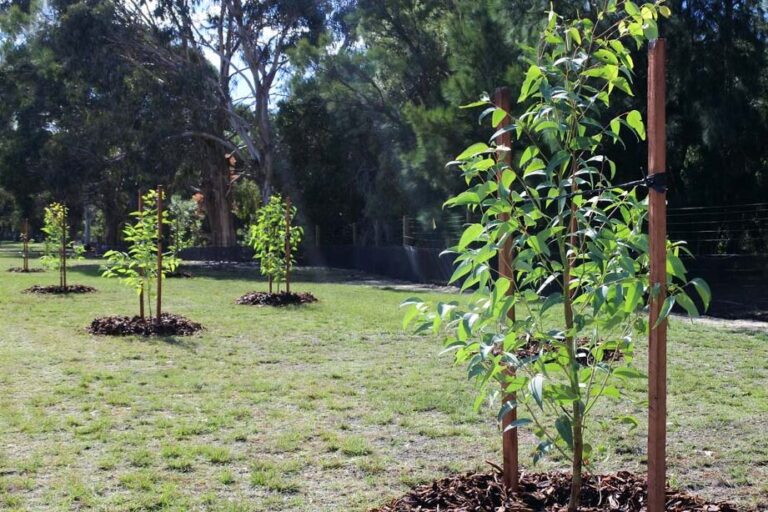
Are you passionate about trees and the environment? Pursuing a Certificate III in Arboriculture could be the first step towards a rewarding career in tree care and maintenance. This comprehensive program equips you with the knowledge and practical skills needed to excel in the field of arboriculture. In this article, we will explore the key aspects of this certification, including its benefits, requirements, and potential career opportunities. Let’s dive in and discover how you can grow your passion for trees into a thriving profession!
Become a Certified Arborist in Australia: Step-by-Step Guide
To become a Certified Arborist in Australia, you will need to follow a step-by-step process that includes obtaining a Certificate III in Arboriculture. This qualification is essential for those looking to pursue a career in tree care and management. Here is a guide to help you navigate the path towards becoming a certified arborist:
Step 1: Research and Planning
Before diving into the certificate iii in arboriculture program, research the requirements and expectations of the course. Make sure you understand the commitment involved and have a clear plan in place for completing the program successfully.
Step 2: Enroll in a Certificate III in Arboriculture Program
Look for accredited institutions or training providers that offer the Certificate III in Arboriculture. Ensure that the program covers the necessary skills and knowledge required to work as an arborist in Australia.
Step 3: Complete the Course Requirements
Attend classes, participate in practical training, and complete all assessments to fulfill the course requirements. Make sure to gain hands-on experience in tree maintenance, pruning, and removal techniques.
Step 4: Obtain Relevant Certifications
Depending on the state or territory you plan to work in, you may need additional certifications such as a Chainsaw Operation Certificate or a Traffic Management License. Ensure you have all the necessary qualifications to work legally as an arborist.
Step 5: Gain Practical Experience
Seek opportunities to gain practical experience in the field. Consider internships or entry-level positions to enhance your skills and knowledge. Practical experience is crucial for becoming a successful arborist.
Step 6: Apply for Certification
Once you have completed the Certificate III in Arboriculture and gained sufficient experience, you can apply for certification as an arborist. Be prepared to provide documentation of your qualifications and experience.
By following these steps diligently and staying committed to your goal, you can successfully become a Certified Arborist in Australia. Remember to stay updated on industry trends and regulations to excel in your arboriculture career.
Understanding AQF 5 Qualified Arborists: Essential Guide
If you are pursuing a Certificate III in Arboriculture and aiming to become an AQF 5 Qualified Arborist, it’s essential to understand the requirements and responsibilities that come with this qualification. Here is a practical guide to help you navigate the process and make the most of your training:
1. Know the AQF 5 Qualification:
Attaining the AQF 5 qualification signifies that you have the skills and knowledge to work as a professional arborist. It demonstrates that you can perform a range of tasks related to tree care, maintenance, and management competently.
2. Gain Practical Experience:
Hands-on experience is crucial for becoming a skilled arborist. While pursuing your Certificate III in Arboriculture, look for opportunities to work in the field, participate in practical training sessions, and learn from experienced professionals.
3. Understand Safety Regulations:
As an arborist, safety should always be a top priority. Make sure you are familiar with safety regulations, equipment usage guidelines, and industry best practices to prevent accidents and injuries while on the job.
4. Develop Tree Assessment Skills:
Part of being an effective arborist involves assessing the health and condition of trees accurately. Learn how to identify tree diseases, pests, structural issues, and environmental factors that can impact tree health.
5. Stay Updated with Industry Trends:
The arboriculture industry is constantly evolving with new technologies, techniques, and practices. Stay informed about the latest trends, attend workshops, and engage in continuous learning to enhance your skills and knowledge.
6. Network with Professionals:
Building a strong professional network can open up opportunities for career growth and development. Connect with other arborists, join industry associations, and attend conferences to expand your contacts and stay connected with the industry.
By following these tips and staying committed to your training and development, you can work towards becoming a successful AQF 5 Qualified Arborist. Remember, continuous learning and practical experience are key to thriving in the arboriculture field.
Unlocking the Basics: Arborist Certification in SA
When it comes to pursuing a career in arboriculture in South Australia, obtaining an Arborist Certification is crucial. This certification is often associated with completing a Certificate III in Arboriculture, which is a nationally recognized qualification that equips individuals with the necessary skills and knowledge to work as professional arborists.
Here are some key points to keep in mind when considering Arborist Certification in SA:
- Training Requirements: To obtain a Certificate III in Arboriculture, individuals typically need to complete a combination of theoretical learning and practical training. This can include units on tree identification, pruning techniques, tree removal, and workplace safety.
- Assessment: Assessment for the certification may involve written exams, practical demonstrations of skills, and workplace assessments to ensure that candidates meet the required standards.
- Licensing: In addition to completing the certification, arborists in SA may need to obtain a license to practice professionally. This license demonstrates that the arborist meets the necessary competency standards set by regulatory bodies.
- Renewal: Arborist certifications and licenses typically need to be renewed periodically to ensure that professionals are up-to-date with the latest industry standards and practices. Renewal requirements may include completing continuing education courses or demonstrating ongoing professional development.
- Employment Opportunities: Holding a Certificate III in Arboriculture and Arborist Certification can open up various employment opportunities in tree maintenance companies, local councils, landscaping firms, and government agencies.
By obtaining an Arborist Certification through a Certificate III in Arboriculture, individuals can demonstrate their competence and commitment to the arboriculture industry in South Australia. It is essential to stay informed about the specific requirements and regulations in SA to ensure a successful career as a professional arborist.
Unlocking the Diploma of Arboriculture Australia: Your Complete Guide
If you’re considering pursuing a certificate III in arboriculture in Australia and aiming to unlock the Diploma of Arboriculture, there are essential steps and requirements you need to be aware of. Here is your complete guide to help you navigate through this process effectively:
1. Understand the Qualification:
Before diving into the Diploma of Arboriculture, it’s crucial to grasp the basics of certificate III in arboriculture. This qualification equips you with the necessary skills and knowledge to work in the arboriculture industry, focusing on tree care, maintenance, and management.
2. Meet Entry Requirements:
Ensure you fulfill the entry requirements for the Diploma of Arboriculture, which typically include completing the certificate III in arboriculture or demonstrating equivalent industry experience. Check with the relevant authorities or educational institutions for specific prerequisites.
3. Gain Practical Experience:
Hands-on experience is key in arboriculture. Consider undertaking internships, volunteering, or working in the field to enhance your practical skills and understanding of tree management practices.
4. Research Accredited Providers:
Look for accredited training providers that offer the Diploma of Arboriculture in Australia. Verify their credentials, course structure, and industry reputation to ensure you receive quality education and training.
5. Prepare for Assessment:
Be ready to undergo assessments, both theoretical and practical, as part of the Diploma program. Stay organized, study diligently, and practice your arboriculture skills to succeed in these evaluations.
6. Apply for Certification:
Once you complete the requirements of the Diploma of Arboriculture, submit your application for certification to the relevant certification body. Follow their guidelines and provide all necessary documentation for a smooth certification process.
By following these steps and staying dedicated to your arboriculture education and training, you can successfully unlock the Diploma of Arboriculture in Australia and advance your career in the tree care industry.
As a final tip for those pursuing a Certificate III in Arboriculture, remember to stay curious and eager to learn. The field of arboriculture is vast and ever-evolving, so keeping up with new techniques and technologies will set you apart as a knowledgeable professional.
Thank you for joining us on this journey of exploring certificates, contracts, declarations, licenses, renewals, and tax issues. Your engagement and interest mean the world to us. If you found this information helpful, we invite you to share your thoughts in the comments section below, share this article on your social media platforms, or explore other related articles on our blog.
Remember, this blog serves as an informative guide, but always consult with a professional in the specific field for personalized advice and guidance. Your success and compliance are our top priorities. Good luck on your certification journey!
If you found this article informative and engaging, be sure to visit our Healthcare Certificates section for more insightful articles like this one. Whether you’re a seasoned enthusiast or just beginning to delve into the topic, there’s always something new to discover in auslegalhub.com. See you there!

