
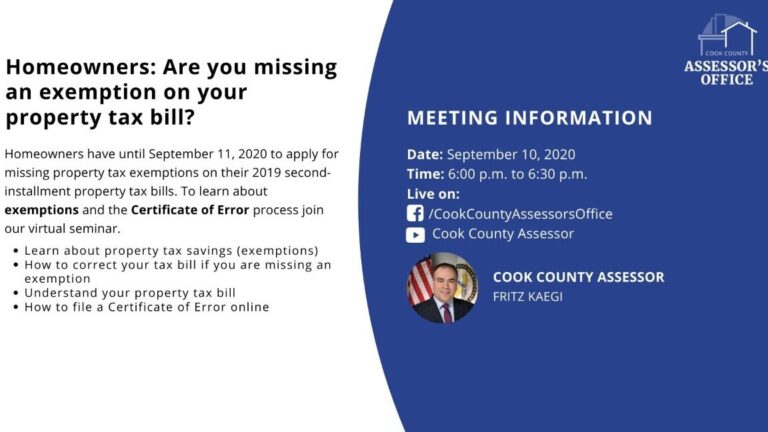
Are you puzzled about whether you need a certificate for a particular activity or transaction? Understanding certificate exemptions can save you time and effort in navigating complex regulations. In this article, we will break down the concept of certificate exemption and provide practical guidance on when and how it applies in various situations. Stay tuned to demystify this crucial aspect of compliance and streamline your certification process.
Understanding Certificate Exemption: Your Guide to Exclusions
When dealing with certificate exemptions, it’s crucial to understand the concept of exclusions. Certificate exemptions provide relief from certain requirements or obligations, but it’s equally important to be aware of what doesn’t fall under this umbrella. Here’s your guide to navigating exclusions within the realm of certificate exemption.
Exclusions refer to the specific scenarios or conditions that do not qualify for certificate exemption. By being mindful of these exclusions, you can avoid potential pitfalls and ensure compliance with applicable regulations. Let’s delve into some common exclusions to give you a clearer picture:
- Personal services: Certificate exemptions typically do not apply to contracts for personal services, such as consulting or coaching services.
- Real estate transactions: Exclusions may exist for certain real estate transactions, especially those involving residential properties.
- Illegal activities: Any contracts or transactions related to illegal activities are automatically excluded from certificate exemption benefits.
It’s essential to review the specific regulations and guidelines pertaining to your industry or jurisdiction to identify any additional exclusions that may be relevant to your situation. By staying informed and proactive, you can navigate certificate exemptions effectively and avoid potential issues down the road.
Remember, exclusions are as crucial as inclusions when it comes to certificate exemption. By understanding and acknowledging these exclusions, you can ensure that your operations are in full compliance with the applicable laws and regulations. Stay informed, stay compliant, and make the most of certificate exemptions within the boundaries of the law.
Demystifying Exemption Certificates: Your Guide to Understanding Their Meaning
Understanding exemption certificates is crucial for businesses to navigate the complexities of tax regulations. These certificates play a key role in exempting certain transactions from taxation. Here’s your guide to demystifying exemption certificates and their significance:
What are Exemption Certificates?
Exemption certificates are official documents that allow businesses to make purchases without paying sales tax. They are typically issued by the relevant tax authorities and serve as proof that a transaction qualifies for a tax exemption.
Types of Exemption Certificates
There are various types of exemption certificates based on the nature of the transaction. Some common types include:
- Sales Tax Exemption Certificates
- Resale Certificates
- Manufacturer’s Exemption Certificates
- Use Tax Exemption Certificates
Why are Exemption Certificates Important?
Exemption certificates are essential for businesses to avoid overpaying taxes on qualifying purchases. By providing the correct certificate to vendors, businesses can ensure compliance with tax laws and reduce their tax liabilities.
Best Practices for Handling Exemption Certificates
When dealing with exemption certificates, it’s important to:
- Keep accurate records of all certificates received and issued.
- Regularly review and update certificates to ensure compliance.
- Educate staff on the importance of proper certificate management.
Common Issues with Exemption Certificates
Some common challenges businesses face with exemption certificates include:
- Expired certificates leading to tax liabilities.
- Missing or incomplete certificates causing audit issues.
- Incorrect use of certificates resulting in penalties.
By understanding the significance of exemption certificates and following best practices in their management, businesses can streamline their tax compliance processes and avoid potential pitfalls. If you have any specific questions or need further assistance regarding exemption certificates, feel free to reach out to us.
Demystifying Exemption Certificates: Your Guide to Understanding Their Purpose
Certificate exemption is a crucial concept that many individuals and businesses encounter in various regulatory and legal contexts. Understanding exemption certificates is key to navigating these complex processes effectively. Here, we will provide you with a comprehensive guide to demystifying exemption certificates and their purpose.
What are Exemption Certificates?
Exemption certificates are official documents that allow individuals or businesses to make tax-exempt purchases for certain goods or services. These certificates serve as proof that the purchaser is exempt from specific taxes under applicable laws or regulations.
Understanding the Purpose of Exemption Certificates
The primary purpose of exemption certificates is to provide a streamlined way for eligible entities to claim tax exemptions without having to pay taxes upfront. By presenting a valid certificate to the seller, the purchaser can avoid being charged taxes on qualifying transactions.
Key Points to Remember about Exemption Certificates:
- Ensure you have the correct and up-to-date exemption certificate for the type of transaction you are engaging in.
- Keep your exemption certificates organized and easily accessible for audits or verification purposes.
- Understand the expiration date of your exemption certificate to avoid any issues with tax authorities.
By following these guidelines and understanding the significance of exemption certificates, you can streamline your tax-related processes and ensure compliance with relevant laws and regulations.
Unlocking Exemption Certificates: Your Step-by-Step Guide
Welcome to our guide on unlocking exemption certificates! If you’re navigating the realm of certificate exemption, you’ve come to the right place. Exemption certificates are crucial documents that can save you time and money when it comes to taxes and regulations. Here’s your step-by-step guide to mastering the art of handling exemption certificates:
Understanding the Basics:
Before diving into the process of unlocking exemption certificates, it’s essential to grasp the fundamentals. Exemption certificates are official documents that allow you to make tax-exempt purchases for specific goods or services. These certificates serve as proof that you are eligible for an exemption based on your business type or the nature of the transaction.
Identifying Your Needs:
The first step in unlocking exemption certificates is identifying your specific needs. Determine the types of transactions or purchases for which you require exemption certificates. Analyzing your business activities and understanding the applicable regulations will help you pinpoint the exact certificates you need.
Obtaining the Certificates:
Once you’ve identified your requirements, it’s time to obtain the necessary exemption certificates. Contact the relevant authorities or agencies to request the specific certificates applicable to your situation. Be prepared to provide detailed information about your business and transactions to expedite the process.
Submitting Documentation:
After obtaining the exemption certificates, ensure that you submit the required documentation to the appropriate entities. Review the certificates carefully to confirm that all information is accurate and up to date. Keep copies of the certificates for your records and future reference.
Maintaining Compliance:
Successfully unlocking exemption certificates is just the beginning. To ensure ongoing compliance, stay informed about any updates or changes in the regulations governing exemption certificates. Regularly review your certificates to confirm they align with current requirements and make any necessary updates promptly.
Seeking Professional Assistance:
If you encounter challenges or uncertainties regarding exemption certificates, don’t hesitate to seek professional assistance. Consulting with a tax professional or legal advisor can provide you with valuable insights and guidance to navigate complex compliance issues effectively.
By following this step-by-step guide and staying proactive in managing your exemption certificates, you can streamline your tax processes and ensure compliance with relevant regulations. Unlock the full potential of exemption certificates to optimize your business operations and financial outcomes.
Before we wrap up, here’s a final tip for you on certificate exemption: always double-check the requirements and regulations to ensure that you qualify for an exemption. It’s better to be safe than sorry when it comes to legal matters.
Thank you for joining us today and delving into the world of certificates, contracts, declarations, licenses, renewals, and tax issues. If you found this information helpful, don’t hesitate to leave a comment below, share this article with your network, or explore other related articles on our blog.
Remember, while we strive to provide valuable insights, it’s essential to consult with a professional in the field for personalized advice and guidance.
Stay informed, stay proactive, and stay empowered in your decision-making process. Until next time!
If you found this article informative and engaging, be sure to visit our IT Certifications section for more insightful articles like this one. Whether you’re a seasoned enthusiast or just beginning to delve into the topic, there’s always something new to discover in auslegalhub.com. See you there!

