
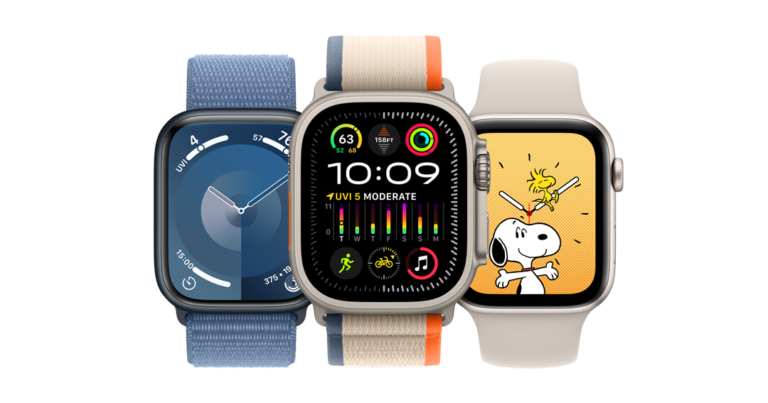
Are you considering claiming a smartwatch on your taxes in Australia? Understanding what can and cannot be claimed as a tax deduction is essential for maximizing your returns and staying compliant with the law. Let’s explore the rules and regulations surrounding the deductibility of smartwatches in Australia to help you make informed decisions this tax season.
Are Smart Watches Tax Deductible? Your Guide to Tax Savings!
When it comes to tax deductions in Australia, the question of whether you can claim a smartwatch on your taxes is a common one. Smart watches can be considered tax-deductible if they are used for work-related purposes. However, there are specific criteria that need to be met in order to claim this expense successfully.
Criteria for Claiming a Smartwatch on Tax in Australia:
- Work-Related Use: The smartwatch must be used primarily for work-related activities.
- Proof of Purchase: You must have a valid receipt or proof of purchase for the smartwatch.
- Itemized Deductions: The cost of the smartwatch should be included in your itemized deductions.
- Employer Requirements: Some employers may have specific policies regarding the use of personal devices for work purposes. Make sure to check with your employer before claiming the expense.
It’s important to note that not all smartwatches will qualify for a tax deduction. The smartwatch must be used predominantly for work-related tasks, such as tracking work hours, receiving work notifications, or monitoring work-related health metrics.
If you meet the criteria outlined above, you can potentially claim your smartwatch as a tax deduction in Australia. Be sure to keep detailed records of your smartwatch usage for work purposes to support your claim in case of an audit.
Always consult with a tax professional or accountant to ensure that you are following the correct procedures and maximizing your tax savings within the bounds of the law.
Understanding ATO Guidelines for Smart Watches: What You Need to Know
When it comes to claiming a smartwatch on tax in Australia, it’s essential to understand the guidelines set by the Australian Taxation Office (ATO). Here’s what you need to know to ensure you comply with the regulations and maximize your tax benefits:
1. Deductibility: The ATO considers a smartwatch as a portable electronic device that can have both personal and work-related uses. To claim it as a tax deduction, you must demonstrate that you primarily use it for work purposes, such as checking work emails, scheduling appointments, or monitoring work-related notifications.
2. Documentation: To support your claim, keep detailed records of your smartwatch usage for work, including timesheets, work-related emails, and any other relevant documents. This will help substantiate your claim in case of an audit.
3. Apportioning Expenses: If you use your smartwatch for both personal and work purposes, you can only claim the portion of expenses that relate to your work use. Calculate this based on the percentage of work-related activities compared to total usage.
4. Eligibility: Self-employed individuals or employees who use their smartwatches for work-related activities may be eligible to claim them as a tax deduction. However, if your employer provides you with a smartwatch, you generally cannot claim it unless you incurred expenses in maintaining or repairing it.
5. Seek Professional Advice: If you’re unsure about the tax implications of claiming a smartwatch on tax in Australia, it’s advisable to seek advice from a qualified tax professional. They can provide personalized guidance based on your specific circumstances.
By understanding the ATO guidelines for claiming a smartwatch on tax in Australia and following these tips, you can navigate the process effectively and potentially reduce your taxable income. Remember to keep accurate records and only claim expenses that are legitimately work-related to avoid any issues with the tax authorities.
Tax Deductions: Can You Write Off Your Apple Watch?
When it comes to tax deductions in Australia, claiming a smartwatch like an Apple Watch can be a bit tricky. The key factor to consider is whether the smartwatch is primarily used for work-related purposes. If you use your smartwatch solely for personal reasons, it typically wouldn’t qualify as a tax-deductible expense.
However, if you can demonstrate that the smartwatch is used for work-related activities, such as tracking work calls, emails, or fitness activities required for your job, you may be able to claim a portion of its cost as a tax deduction. It’s essential to keep detailed records and receipts to support your claim in case the Australian Taxation Office (ATO) requests evidence.
Here are some steps to consider if you want to claim your smartwatch on tax in Australia:
- Evaluate Usage: Assess how much you use the smartwatch for work versus personal use.
- Keep Records: Maintain a log of work-related activities where the smartwatch is used.
- Consult a Tax Professional: If you’re unsure about the eligibility of claiming the smartwatch, seek advice from a tax expert.
It’s important to note that tax laws and deductions can vary, so it’s always recommended to consult with a tax professional or refer directly to the ATO guidelines for specific details regarding claiming electronic devices like smartwatches on your taxes in Australia.
Tax Deductions 101: Can You Claim a Smartwatch as a Business Expense?
When it comes to tax deductions in Australia, the question of whether you can claim a smartwatch as a business expense is a common one. Smartwatch, being a popular device that many professionals use to stay organized and productive, can indeed be claimed as a tax deduction under certain circumstances.
According to the Australian Taxation Office (ATO), you can claim a smartwatch as a business expense if you can prove that it is primarily used for work-related purposes. Here are some key points to consider when determining if you can claim a smartwatch on tax in Australia:
- Usage: The smartwatch must be used predominantly for work-related activities such as receiving work notifications, tracking work-related fitness goals, or managing work schedules.
- Necessity: You must be able to demonstrate that the smartwatch is essential for your job and not simply a personal convenience.
- Documentation: Keep detailed records of your smartwatch usage for work purposes to support your claim in case of an audit.
It’s important to note that if the smartwatch is used for both personal and work-related activities, you can only claim the portion of expenses that relate to your work use. This means you will need to apportion the cost based on the percentage of work-related usage.
Remember to consult with a tax professional or accountant to ensure that you are following the ATO guidelines correctly and maximizing your tax deductions within the bounds of the law. By keeping accurate records and understanding the rules around claiming business expenses like a smartwatch, you can potentially save money on your taxes while staying compliant with the regulations.
As a final tip, remember that claiming a smartwatch on your taxes in Australia can be a bit tricky, so it’s essential to keep detailed records and only claim the portion of the expense that relates directly to work-related use. If you’re unsure, it’s best to consult with a tax professional to ensure you’re compliant with the regulations.
Thank you for reading our blog and staying informed on legal and tax matters. If you have any questions, tips, or experiences to share about claiming expenses on your taxes, feel free to leave a comment below. Don’t forget to share this article with others who might find it useful. And remember, always consult with a professional when dealing with tax-related issues.
Stay tuned for more helpful articles on certificates, contracts, declarations, licenses, renewals, and tax matters. See you next time!
If you found this article informative and engaging, be sure to visit our Income Tax section for more insightful articles like this one. Whether you’re a seasoned enthusiast or just beginning to delve into the topic, there’s always something new to discover in auslegalhub.com. See you there!

