
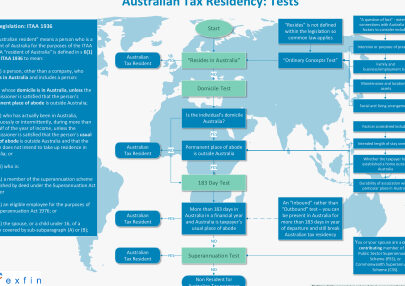
Are you a New Zealand citizen living in Australia and wondering about your tax obligations? Understanding whether you are considered an Australian resident for tax purposes is crucial for complying with the law and avoiding any potential issues. In this article, we will explore the key factors that determine residency status and provide clarity on how it affects your tax responsibilities as a New Zealand citizen in Australia.
Understanding the Relationship: NZ Citizens and Australian Residency
NZ citizens residing in Australia may have different tax obligations based on their residency status. Being a New Zealand citizen does not automatically make you an Australian resident for tax purposes. The tax treatment will depend on various factors such as the length of stay, intention to reside long term, and ties to Australia. Here are some key points to consider:
- Residency Rules: The Australian Tax Office (ATO) has specific rules to determine residency status for tax purposes. Factors such as family, business, and social ties are taken into account.
- Double Taxation Agreement: Australia and New Zealand have a Double Taxation Agreement to prevent individuals from being taxed on the same income in both countries. Understanding this agreement can help in managing tax liabilities effectively.
- 183-Day Test: One of the common tests used to determine residency is the 183-day test. If you reside in Australia for 183 days or more in a financial year, you may be considered a resident for tax purposes.
It is essential for NZ citizens living in Australia to keep detailed records of their stay, including travel dates, work contracts, and accommodation arrangements. Seeking advice from a tax professional or the ATO can provide clarity on your tax obligations and help you avoid any potential penalties.
Understanding Tax Residency in Australia: Who Qualifies?
Are NZ citizens Australian residents for tax purposes? Understanding tax residency in Australia is crucial for individuals, including New Zealand (NZ) citizens, to ensure compliance with tax laws. Tax residency is determined based on various factors, including the individual’s circumstances and ties to Australia.
For NZ citizens living in Australia, the rules around tax residency can be complex. In general, NZ citizens may be considered Australian tax residents if they meet the criteria set out by the Australian Taxation Office (ATO). Some key factors that determine tax residency status include:
- Physical presence in Australia
- Intent to reside in Australia permanently or indefinitely
- Economic connections to Australia
It’s important for NZ citizens to assess their situation carefully to determine their tax residency status. If you are unsure whether you qualify as an Australian tax resident, you can seek advice from a tax professional or refer to the ATO guidelines.
Understanding tax residency is vital as it affects the tax obligations of individuals. Australian tax residents are generally taxed on their worldwide income, while non-residents are only taxed on income derived from Australian sources. Therefore, determining tax residency status can have significant implications for tax liabilities and compliance requirements.
In conclusion, NZ citizens can be considered Australian residents for tax purposes based on specific criteria related to tax residency. By understanding these criteria and seeking guidance when needed, individuals can ensure they meet their tax obligations in Australia.
Understanding Australian Taxation: Resident vs. Non-Resident Taxation Rules
Are NZ citizens Australian residents for tax purposes? Understanding the taxation rules for residents and non-residents in Australia is crucial, especially for New Zealand citizens living in Australia. In the context of NZ citizens Australian residents for tax purposes, the determination of tax residency is essential for meeting tax obligations and avoiding any penalties. Let’s dive into the key points to consider:
Resident vs. Non-Resident Taxation Rules in Australia
Australian tax laws define residency based on various factors, including:
- Residency status
- Permanent domicile
- Behavioral factors
For tax purposes, individuals are classified as residents if they meet the residency criteria set by the Australian Taxation Office (ATO). Non-residents are taxed differently from residents, particularly on their Australian-sourced income.
As a New Zealand citizen living in Australia, you may be considered an Australian resident for tax purposes if you satisfy the residency tests. These tests assess factors such as:
- Duration of stay in Australia
- Family and economic ties
- Intention to reside long-term
Understanding your tax residency status is crucial to ensure compliance with Australian tax laws. If you are unsure about your residency status, you can seek advice from a tax professional or the ATO to avoid any potential issues.
Remember, NZ citizens residing in Australia may have specific tax obligations based on their residency status. It’s important to stay informed about the latest tax regulations and seek guidance when needed to meet your tax responsibilities effectively.
Do New Zealand Citizens in Australia Pay Capital Gains Tax? Explained
New Zealand citizens living in Australia can be considered Australian residents for tax purposes, which means they are subject to Australian tax laws, including capital gains tax. The tax treatment of capital gains for New Zealand citizens in Australia depends on their residency status and the specific circumstances of the capital gain.
Australian tax laws define residency based on various factors, such as the length of stay in Australia, family ties, and economic connections. If a New Zealand citizen meets the criteria to be considered an Australian tax resident, they will be subject to Australian capital gains tax (CGT) on worldwide assets, including assets located in New Zealand.
Capital gains tax in Australia is applicable when a capital asset is disposed of, resulting in a capital gain. The amount subject to tax is the difference between the sale price and the purchase price of the asset. There are specific rules and exemptions that may apply, depending on the nature of the asset and the taxpayer’s circumstances.
New Zealand citizens living in Australia should be aware of their tax obligations and seek professional advice to ensure compliance with Australian tax laws. Keeping detailed records of capital transactions and consulting with a tax advisor can help in accurately calculating and reporting capital gains tax liabilities.
It’s essential for New Zealand citizens in Australia to stay informed about any changes in tax laws that may affect their residency status or tax liabilities. Being proactive and seeking guidance when needed can help avoid any potential issues with capital gains tax and ensure compliance with Australian tax regulations.
As a final tip, if you are a New Zealand citizen living in Australia and are unsure about your tax residency status, it’s crucial to seek advice from a tax professional who is well-versed in both Australian and New Zealand tax laws. They can help you navigate the complexities of tax residency and ensure you comply with the relevant regulations.
Remember, understanding your tax obligations is essential for avoiding potential issues with the tax authorities in both countries. By staying informed and seeking expert guidance when needed, you can manage your tax affairs effectively and prevent any unexpected surprises.
Thank you for reading our blog on legal and tax matters. We hope you found this information valuable and insightful. If you have any questions, experiences to share, or topics you’d like us to cover in future posts, feel free to leave a comment below. You can also share this article with others who may benefit from it or explore our other related articles for more helpful tips and advice.
Remember, for personalized advice tailored to your specific situation, always consult with a professional in the field.
Stay informed, stay compliant, and make empowered decisions regarding your tax affairs. Goodbye for now!
If you found this article informative and engaging, be sure to visit our Income Tax section for more insightful articles like this one. Whether you’re a seasoned enthusiast or just beginning to delve into the topic, there’s always something new to discover in auslegalhub.com. See you there!

