
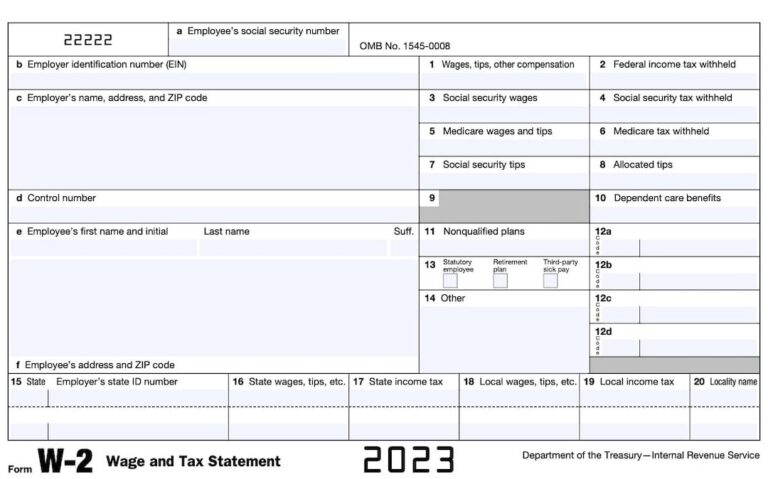
Have you recently received a notification that your tax return has been cancelled? Understanding the reasons behind this decision and knowing what steps to take next is crucial to address the situation effectively. In this article, we will explore common causes for tax return cancellations and provide practical guidance on how to navigate this issue. Let’s delve into the details to help you resolve this matter efficiently.
Why Did the ATO Cancel Your Tax Return? Common Reasons & Solutions
If the Australian Taxation Office (ATO) has cancelled your tax return, it can be a stressful situation that requires immediate attention. Understanding the common reasons behind this action can help you address the issue effectively and prevent it from happening again in the future.
One common reason for the ATO to cancel a tax return is missing or inaccurate information. This could include errors in reporting your income, deductions, or other financial details. To resolve this, you should carefully review your tax return and ensure all information is accurate and up to date. If you discover any errors, you may need to file an amendment to correct them.
Another reason for a cancelled tax return could be failure to lodge on time. If you missed the deadline for submitting your tax return, the ATO may cancel it. In this case, it is important to lodge your tax return as soon as possible to avoid further penalties or consequences.
Additionally, if the ATO suspects fraudulent activity or tax evasion in your tax return, they may cancel it and initiate an investigation. If you believe this is a misunderstanding, you should cooperate with the ATO and provide any necessary documentation to support your claims.
To resolve the cancellation of your tax return, you can take the following steps:
- Review your tax return for errors and inaccuracies.
- Submit any outstanding information or documentation requested by the ATO.
- Ensure you have met all lodgment deadlines.
- Cooperate with the ATO if there are any suspicions of fraudulent activity.
- Consider seeking professional advice or assistance if needed.
By addressing the reasons for the cancellation of your tax return promptly and taking the necessary steps to rectify the situation, you can avoid further complications and ensure compliance with tax regulations.
Unveiling the Mystery: Common Reasons for Tax Return Suspensions
When facing a tax return cancellation, it’s crucial to understand the common reasons behind such suspensions. By unraveling the mystery of these issues, you can better navigate the process and potentially prevent future setbacks. Below are some key aspects to consider:
Common Reasons for Tax Return Suspensions:
- Incorrect or Incomplete Information: Providing inaccurate data or leaving essential fields blank can lead to a tax return cancellation.
- Late Filing: Missing the deadline for submitting your tax return may result in its suspension.
- Failure to Pay Taxes Owed: If you have outstanding tax payments, your return could be cancelled until the debt is settled.
- Identity Theft Concerns: Suspected cases of identity theft can lead to the suspension of a tax return for further investigation.
- Mathematical Errors: Simple miscalculations can trigger a review and potential cancellation of your tax return.
When dealing with a tax return cancellation, it’s essential to address the root cause promptly. Review your tax documents carefully, correct any errors, and ensure all information is accurate and up to date before resubmitting. If you’re unsure about the reason for the suspension, reaching out to the relevant tax authorities or seeking professional assistance can help resolve the issue efficiently.
Remember, staying informed about the common reasons for tax return suspensions can empower you to take proactive steps to avoid such pitfalls in the future.
Resetting Your Tax Return: A Guide for H&R Block Users
If your tax return prepared through H&R Block has been cancelled, it’s essential to understand the steps to reset it correctly. Below is a comprehensive guide to help you navigate this process smoothly.
1. Identify the Reason for Cancellation: Before taking any action, it’s crucial to determine why your tax return was cancelled. This could be due to various reasons such as incomplete information, errors, or discrepancies.
2. Contact H&R Block Support: Reach out to H&R Block customer support as soon as possible to explain the situation. They will guide you on the necessary steps to reset your tax return and address any issues that led to the cancellation.
3. Provide Correct Information: Ensure that all information provided in your tax return is accurate and up to date. Make any necessary corrections or updates to prevent future cancellations.
4. Review and Resubmit: Once you have made the required changes, carefully review your tax return before resubmitting it through H&R Block. Double-check all figures and data to avoid any potential errors.
5. Follow Up: After resubmitting your tax return, follow up with H&R Block to confirm that it has been successfully reset and processed. Keep track of any updates or notifications regarding your return.
By following these steps and staying proactive in resolving the cancellation of your tax return, you can ensure a smooth reset process with H&R Block. Remember to maintain clear communication with their support team and provide accurate information to avoid any future issues.
Can You Delete a Tax Return? Tips and Rules Explained
When it comes to tax return cancelled, it’s important to understand the rules and procedures involved in deleting a tax return. Deleting a tax return is not as simple as hitting the delete button on your computer. However, there are steps you can take to rectify errors or omissions in your tax return.
Here are some tips and rules to consider when you need to delete a tax return:
Tips and Rules for Deleting a Tax Return:
- Correcting Mistakes: If you made a mistake on your tax return, you can file an amended return instead of deleting the original one. This allows you to correct any errors without deleting the entire return.
- IRS Assistance: If you need to delete a tax return for a valid reason, such as fraudulent activity, you can contact the IRS for guidance on the appropriate steps to take.
- Deadline: Make sure to act promptly if you need to delete a tax return. The sooner you address the issue, the easier it may be to rectify any errors.
- Documentation: Keep records of any communication with the IRS regarding the deletion of a tax return. Documentation is essential in case of any disputes or further inquiries.
It’s important to note that tax return cancelled can have legal implications, so it’s advisable to seek professional advice if you are unsure about the process. By following the tips and rules outlined above, you can navigate the process of deleting a tax return effectively and efficiently.
As we wrap up our discussion on tax return cancellations, remember that staying informed is key to navigating the complex world of taxes. If you ever find yourself in a situation where your tax return is cancelled, don’t panic. Take a deep breath, gather all relevant documents, and reach out to the tax authorities or a tax professional for guidance.
Before we part ways, I’d like to leave you with one final tip: always keep copies of your tax returns and related documents for at least seven years. This simple practice can save you a lot of hassle in case of an audit or any other unforeseen circumstances.
Thank you for joining us today! We hope you found our insights valuable. If you have any questions, tips, or experiences to share regarding tax return cancellations, feel free to leave a comment below. Don’t forget to share this article with your friends and family on social media if you think it could help them too. And remember, always consult with a professional in the field for personalized advice tailored to your specific situation.
Stay tuned for more informative articles on certificates, contracts, declarations, licenses, renewals, and tax issues. See you next time!
If you found this article informative and engaging, be sure to visit our Income Tax section for more insightful articles like this one. Whether you’re a seasoned enthusiast or just beginning to delve into the topic, there’s always something new to discover in auslegalhub.com. See you there!

