
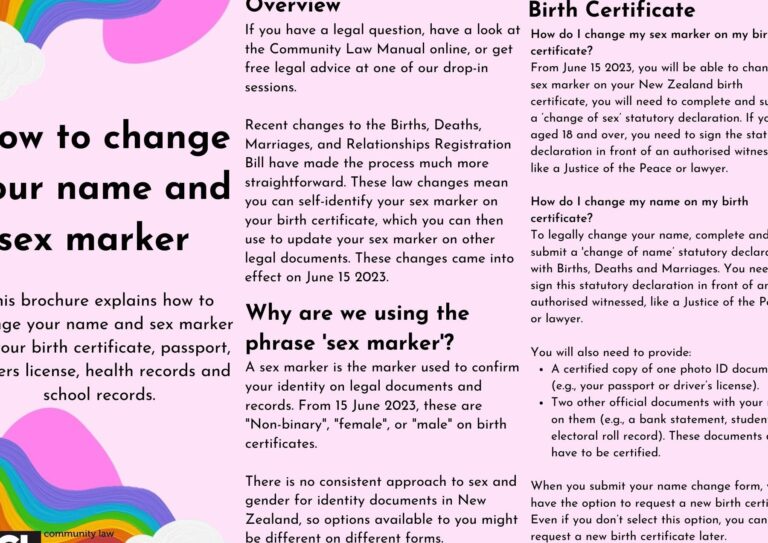
Changing your name is a significant decision that requires proper documentation to be legally recognized. One essential document in this process is a statutory declaration of name change. This legally binding statement allows you to declare your new name and provides a template to follow for a smooth transition. In this article, we will explore the importance of this declaration, its components, and how to properly complete it to ensure your name change is recognized by relevant authorities.
Crafting a Name Change Self-Declaration: A Step-by-Step Guide
When it comes to changing your name, a statutory declaration of name change template can be a vital document. Crafting a name change self-declaration is a straightforward process that can be done with the right guidance. Here is a step-by-step guide to help you through this important task:
Step 1: Understand the Requirements
Before creating your self-declaration, make sure you understand the legal requirements for a name change declaration in your jurisdiction. Research the specific rules and regulations regarding name changes to ensure your declaration complies with the necessary standards.
Step 2: Gather Your Information
Collect all the relevant details needed for your self-declaration. This may include your current name, the name you wish to change to, your address, and any supporting documents that validate your request for a name change.
Step 3: Draft Your Self-Declaration
Use a statutory declaration of name change template as a guide to draft your self-declaration. Make sure to include all the necessary information accurately and clearly. You can find templates online or create your own, ensuring it follows the required format.
Step 4: Review and Edit
After drafting your declaration, review it carefully for any errors or missing information. Ensure that all details are accurate and up to date. Make any necessary edits before proceeding to the next step.
Step 5: Sign and Date
Once you are satisfied with the content of your self-declaration, sign and date the document in the presence of a witness. The witness should also sign the declaration and include their full name and address for validation purposes.
Step 6: Submit Your Self-Declaration
Submit your name change self-declaration to the relevant authorities as per the requirements in your jurisdiction. Include any supporting documents and fees that may be necessary for processing your name change request.
By following these steps, you can confidently craft a name change self-declaration using a statutory declaration of name change template. Remember to always adhere to the legal guidelines and requirements to ensure a smooth name change process.
Creating a Name Statutory Declaration: A Practical Guide
When it comes to changing your name through a statutory declaration, it is important to follow the correct procedures to ensure the process goes smoothly. Here is a practical guide to help you create a statutory declaration of name change template:
1. Start with the Basics
Begin by stating your current full name and the new name you wish to be known by. Be sure to include your address and other relevant personal details.
2. Declaration of Name Change
Clearly state that you are making this declaration to change your name legally and that you will be known by your new name in all aspects of your life.
3. Witness Information
Include details of the witness who will sign the declaration. The witness must be over 18 years old, not related to you, and not involved in the name change decision.
4. Signature and Date
Sign the statutory declaration in the presence of the witness and have them sign and date it as well. This step is crucial to validate the document.
5. Notarization (if required)
Depending on your jurisdiction, you may need to have the statutory declaration notarized by a notary public to make it legally binding.
6. Filing the Declaration
Once the statutory declaration is completed and signed, file it with the relevant authorities, such as the Department of Births, Deaths, and Marriages, to update your official records.
By following these steps and using this statutory declaration of name change template, you can ensure that your name change process is carried out correctly and efficiently.
DIY Statutory Declaration in Australia: Your How-To Guide
When it comes to changing your name in Australia, a statutory declaration can be a crucial document in the process. Creating a statutory declaration of name change template on your own, also known as a DIY statutory declaration, can be a cost-effective and efficient way to formalize your name change. Here’s a brief guide on how to create one:
Creating Your DIY Statutory Declaration of Name Change Template
Follow these steps to draft your own statutory declaration of name change template:
- Start by including your full legal name at the beginning of the document.
- Clearly state that you are making the statutory declaration to formally change your name.
- Provide details about your previous name and the new name you wish to adopt.
- Include a statement affirming that the information provided is true and correct to the best of your knowledge.
- Sign and date the document in the presence of an authorized witness, such as a Justice of the Peace or a lawyer.
Remember, it’s essential to ensure that your statutory declaration of name change template complies with Australian legal requirements. Consulting with a legal professional can provide you with added assurance that your document is valid and enforceable.
By following these steps and tailoring the template to your specific circumstances, you can create a DIY statutory declaration that accurately reflects your name change intentions.
Unlocking the Power of Statutory Declarations for Name Changes
When it comes to statutory declaration of name change template, it’s essential to understand the power and significance it holds in legal matters. Statutory declarations are formal statements used to declare facts in writing, and they can be a crucial tool for changing your name legally. Here’s how you can effectively utilize statutory declarations to unlock the process of name changes.
First and foremost, it’s important to obtain a statutory declaration of name change template from a reliable source. You can find templates online or at legal stationary stores. Make sure the template includes all the necessary elements such as your current name, desired new name, reason for the name change, and a declaration stating that the information provided is true and accurate.
Next, carefully fill out the template with the required information. Be sure to double-check all details for accuracy before signing the declaration. Once the form is completed, you need to sign it in the presence of an authorized witness, such as a lawyer, notary public, or Justice of the Peace.
After signing the statutory declaration, it’s crucial to lodge the document with the relevant authorities. This could include government departments, banks, employers, and other institutions that require official records of your name change. Keep a copy of the signed declaration for your records.
Remember that a statutory declaration of name change template is a legally binding document, so it’s essential to treat it with the utmost care and respect. Ensure that all information provided is true and accurate to avoid any legal issues in the future.
In conclusion, by utilizing a statutory declaration of name change template effectively, you can streamline the process of changing your name and ensure that your new name is recognized legally. Remember to follow all necessary steps, fill out the template accurately, and submit it to the appropriate authorities for a smooth transition.
Before you go, here’s a final tip for using a statutory declaration of name change template: make sure to review and fill out the document carefully, ensuring all information is accurate and up-to-date. Once completed, sign the declaration in the presence of a witness to make it legally binding. Remember, accuracy is key when it comes to legal documents!
Thank you for reading our blog post on name change templates. If you found this information helpful, we invite you to leave a comment below, share this article with your friends on social media, or check out our other related articles for more valuable insights.
Remember, this blog is for informational purposes only. Always consult with a professional in the field to address your specific needs and circumstances.
Good luck with your name change process, and we hope to see you back here soon for more expert tips and advice!
If you found this article informative and engaging, be sure to visit our Legal Declarations section for more insightful articles like this one. Whether you’re a seasoned enthusiast or just beginning to delve into the topic, there’s always something new to discover in auslegalhub.com. See you there!

