
Understanding the concept of offer and acceptance in contracts is essential for anyone engaging in business transactions. In Western Australia (WA), specific laws govern how these elements form a legally binding agreement. Let’s delve into the nuances of offer and acceptance in WA contracts to ensure clarity and compliance in your business dealings.
Understanding Offer Acceptance Timeframes in WA: Seller’s Response Time
When navigating the intricacies of an offer and acceptance contract in WA, understanding the seller’s response time is crucial. In this context, timeframes play a significant role in determining the outcome of a transaction. Let’s delve into how you can effectively manage these timelines to ensure a smooth process.
First and foremost, it’s essential to be aware that in Western Australia, the seller’s response time to an offer can vary based on several factors. Typically, the timeframe for the seller to respond to an offer is outlined in the contract itself. However, if no specific timeframe is mentioned, the law implies a reasonable period for the seller to accept, reject, or make a counteroffer.
Here are some key points to keep in mind regarding the seller’s response time in an offer and acceptance contract:
- Always carefully review the terms of the contract to identify any stipulations regarding the seller’s response timeframe.
- If no specific timeframe is stated, consider what would be considered reasonable in the given circumstances.
- Communication is key. If you are unsure about the seller’s response time, don’t hesitate to seek clarification from the relevant parties.
It’s important to remember that time is of the essence in offer and acceptance contracts. Delays in responses can impact the validity of the offer and potentially lead to complications in the transaction process. Therefore, staying proactive and informed is essential to ensure a successful outcome.
By being proactive in understanding and managing the seller’s response time in an offer and acceptance contract in WA, you can navigate the process with confidence and efficiency. Remember to always consult with legal professionals for specific advice tailored to your situation.
Mastering Offer and Acceptance: Unveiling the Legal Rules
When it comes to offer and acceptance in contract law in Washington State (WA), understanding the legal rules is crucial to ensure a smooth and enforceable agreement. The concept of offer and acceptance forms the foundation of contract law, outlining the process through which parties reach mutual assent and create a legally binding relationship.
Here are some key points to consider when navigating the intricacies of offer and acceptance in contract law in WA:
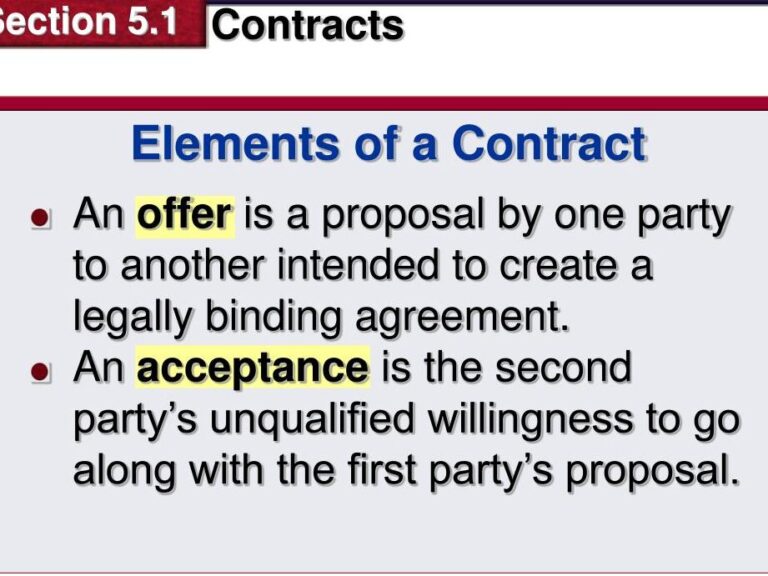
- Offer: An offer is a clear and unequivocal statement made by one party to another, indicating a willingness to enter into a contract under certain terms. It must be communicated to the offeree and demonstrate an intention to be bound by the offer once accepted.
- Acceptance: Acceptance is the unqualified agreement to the terms of the offer, creating a binding contract between the parties. It must be communicated in the manner specified by the offeror or by customary practice.
- Communication: Effective communication of the offer and acceptance is essential. In some cases, silence or inaction may constitute acceptance, but it depends on the circumstances and the parties’ intentions.
- Revocation: The offeror has the right to revoke the offer at any time before acceptance, unless the offer is irrevocable due to an option contract or detrimental reliance by the offeree.
- Counteroffer: A counteroffer acts as a rejection of the original offer and presents new terms for consideration. It shifts the roles of offeror and offeree until one party accepts the terms proposed in the counteroffer.
Understanding the nuances of offer and acceptance in contract law in WA can help you navigate negotiations and agreements with clarity and confidence. Remember to seek legal advice if you encounter complex situations or need assistance in drafting or interpreting contracts to ensure compliance with state laws and regulations.
Understanding Offer and Acceptance Contracts: A Practical Guide
When dealing with offer and acceptance contracts in the context of WA (Washington State), it’s crucial to understand the fundamental principles to ensure a smooth transaction. Here is a practical guide to help you navigate through the intricacies of offer and acceptance contracts:
Offer: An offer is a proposal made by one party to another, indicating a willingness to enter into a contract under certain terms. In WA, an offer must be clear, definite, and communicated to the offeree. It can be revoked at any time before acceptance, unless it is stated to be irrevocable for a specified period.
Acceptance: Acceptance is the unqualified agreement to the terms of an offer, creating a binding contract. In WA, acceptance must be communicated to the offeror in the manner specified in the offer or in a reasonable manner, unless the offer specifies otherwise.
Consideration: Consideration is something of value exchanged between parties to a contract. In WA, for a contract to be legally binding, each party must give up something of value, whether it be goods, services, money, or promises.
Electronic Contracts: In today’s digital age, electronic contracts are becoming increasingly common. In WA, electronic signatures are generally considered valid and enforceable, as long as they meet the requirements of the Uniform Electronic Transactions Act.
Important Steps in Offer and Acceptance Contracts:
- Ensure the offer is clear and specific.
- Respond to the offer in a timely manner.
- Understand the terms and conditions before accepting.
- Seek legal advice if you are uncertain about any aspect of the contract.
By understanding the nuances of offer and acceptance contracts in the context of WA, you can protect your interests and ensure a successful agreement. Remember, clarity and communication are key to establishing a strong contractual relationship.
Understanding Offer and Acceptance in Sale Contracts
When it comes to offer and acceptance in sale contracts in the context of offer and acceptance contract WA, it’s essential to understand the key elements that make a contract legally binding. In Washington State (WA), as in most jurisdictions, a contract is formed when there is a clear offer, acceptance of that offer, consideration, legal capacity, and lawful purpose.
Here’s a breakdown of the offer and acceptance process in sale contracts:
- Offer: An offer is a clear indication by one party (the offeror) expressing a willingness to enter into a contract on specific terms. It must be communicated to the other party (the offeree) and should be sufficiently definite.
- Acceptance: Acceptance is the offeree’s agreement to the terms of the offer. It must be communicated to the offeror without any modifications to the original offer for a valid contract to be formed.
- Counteroffer: If the offeree proposes any changes to the original offer, it is considered a counteroffer, which effectively rejects the initial offer.
When dealing with sale contracts, it’s crucial to ensure that both parties are on the same page regarding the terms of the agreement. Any ambiguities or misunderstandings in the offer or acceptance can lead to contract disputes down the line.
Moreover, in the context of Washington State contract law, it’s important to be aware of any specific regulations or requirements that may apply to sale contracts in that jurisdiction. Consulting with a legal professional or seeking guidance from the Washington State Department of Licensing can provide clarity on any nuances or updates in the law.
By understanding the nuances of offer and acceptance in sale contracts and staying informed about the relevant laws and regulations, individuals and businesses can navigate contract negotiations more effectively and reduce the risk of legal issues arising.
As a final tip on the topic of offer and acceptance in contracts, remember that clear communication is key. Make sure all terms are clearly stated and agreed upon by both parties to avoid any misunderstandings or disputes down the line.
Thank you for reading our blog and staying informed on legal matters related to contracts and agreements. Your understanding of these topics is crucial in navigating the complexities of the legal landscape.
Remember, the information provided here is for educational purposes only. For specific legal advice tailored to your situation, always consult with a professional in the field.
We value your feedback and insights. Feel free to leave a comment sharing your thoughts or questions on this topic. Don’t forget to share this article on social media to help others learn about offer and acceptance in contracts. And keep exploring our blog for more articles on related topics.
Stay informed, stay empowered, and make well-informed decisions in your legal matters. Thank you for being a part of our community!
If you found this article informative and engaging, be sure to visit our Other Contracts section for more insightful articles like this one. Whether you’re a seasoned enthusiast or just beginning to delve into the topic, there’s always something new to discover in auslegalhub.com. See you there!

