
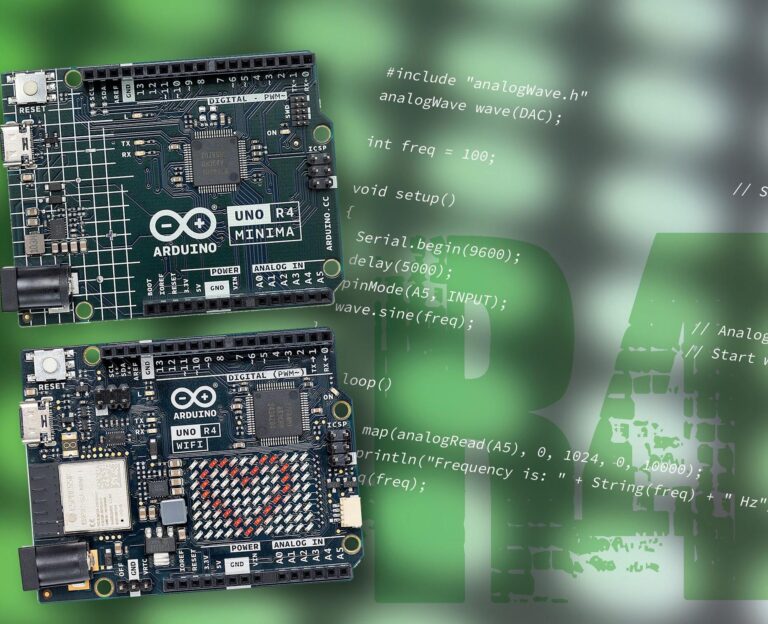
When working with Arduino, declaring a char array is a fundamental aspect of programming that many enthusiasts and beginners often encounter. Understanding how to declare and manipulate char arrays is essential for various projects, from simple tasks to more complex applications. In this article, we will explore the basics of declaring char arrays in Arduino, providing you with practical insights and tips to help you navigate this essential aspect of coding for your projects.
Mastering Char Arrays in Arduino: A Step-by-Step Guide
When working with Arduino, declaring and manipulating char arrays is a fundamental skill that every maker should master. Understanding how to effectively use char arrays in your Arduino projects can greatly enhance your coding abilities and expand the range of applications you can create.
To declare a char array in Arduino, you can follow these simple steps:
- Step 1: Decide on the size of your char array. This will determine how many characters your array can hold.
- Step 2: Declare your char array using the following syntax:
char myArray[SIZE];whereSIZEis the number of characters you want to store. - Step 3: Initialize your char array if you want to assign specific values to it from the beginning. You can do this by using
char myArray[SIZE] = "Initial values";
Once you have declared your char array, you can start manipulating it by accessing individual characters, concatenating multiple arrays, or comparing arrays with each other. Remember that char arrays in Arduino are null-terminated, meaning they end with a null character ‘’.
Here are some common operations you can perform with char arrays in Arduino:
| Operation | Description |
|---|---|
| Accessing Elements | You can access individual characters in the array using index notation, such as myArray[0] to access the first character. |
| Concatenation | You can combine multiple arrays into one by using functions like strcat() or by manually iterating through each array. |
| Comparison | You can compare two arrays using functions like strcmp() to check if they are equal or not. |
By mastering char arrays in Arduino, you can unlock a wide range of possibilities for your projects, from creating custom data structures to parsing incoming serial data. Practice declaring and manipulating char arrays to become more proficient in Arduino programming.
Mastering Char Declarations in Arrays: A Step-by-Step Guide
When it comes to working with Arduino declare char arrays, mastering char declarations is essential. Whether you are a beginner or looking to enhance your skills, understanding how to declare char arrays in Arduino can be a game-changer in your projects.
Here is a step-by-step guide to help you navigate the world of char declarations in arrays:
- Understand the Basics: Before diving into declaring char arrays, it’s crucial to grasp the fundamentals. In Arduino, a char array is used to store a sequence of characters. It is declared by specifying the data type ‘char’ followed by the array name and size.
- Declare a Char Array: To declare a char array in Arduino, you can use the following syntax:
char myArray[SIZE];Replace ‘SIZE’ with the desired size of your array. This line of code creates a char array named ‘myArray’ with the specified size.
- Initialize the Char Array: You can also initialize the char array at the time of declaration. For example:
char myArray[] = "Hello";This line initializes ‘myArray’ with the string “Hello”.
- Accessing Elements: To access individual elements in a char array, you can use the index of the element. Remember, arrays in Arduino are zero-indexed, meaning the first element is at index 0.
- Manipulate the Array: Char arrays allow you to manipulate and modify the stored characters. You can change individual elements, concatenate arrays, or perform various operations on the array elements.
By following these steps and practicing your skills with Arduino declare char arrays, you can become proficient in working with char declarations in arrays, opening up a world of possibilities for your Arduino projects.
Declaring a Character in Arduino: A Step-by-Step Guide
When it comes to working with characters in Arduino, declaring a char array is a fundamental aspect that you need to grasp. A char array is a sequence of characters stored in consecutive memory locations, often used to represent strings in programming. Here is a step-by-step guide to help you understand and declare a char array in Arduino:
Step 1: Begin by defining the char array using the following syntax:
char arrayName[] = "YourCharArray";
Replace arrayName with the name you want to give to your char array and “YourCharArray” with the actual characters you want to store. Remember that the size of the array will be automatically determined based on the number of characters in the initialization.
Step 2: If you want to declare an empty char array and assign values later, you can specify the size of the array without initializing it:
char arrayName[size];
Replace arrayName with your chosen name and size with the desired size of the array.
Step 3: To access and manipulate individual characters within the char array, you can use the index of the element. Remember that arrays are zero-indexed, meaning the first element is at index 0.
Step 4: Utilize functions like strlen() to determine the length of the char array and strcpy() to copy one array to another if needed.
By following these steps, you can effectively declare and work with char arrays in Arduino for your projects. Understanding how to manipulate characters is essential for tasks such as displaying text on an LCD screen or communicating with other devices. Practice declaring char arrays in different scenarios to enhance your programming skills.
Mastering Arduino: Declaring String Arrays Made Easy!
When working with Arduino, declaring char arrays to store strings is a common task. It’s essential to understand how to efficiently manage these arrays to optimize your code. Here are some key points to consider when declaring char arrays in Arduino:
1. Define the Array: To declare a char array in Arduino, you need to specify the size of the array and assign an initial value. Here’s a basic example:
“`cpp
char myArray[10] = “Arduino”;
“`
2. Initialize the Array: You can initialize the char array with a string value as shown in the previous example. Remember that the size of the array should be large enough to accommodate the string along with the null terminator ‘’.
3. Accessing Elements: You can access individual elements of the char array using index values. For instance, to access the first element of the array:
“`cpp
char firstElement = myArray[0];
“`
4. Manipulating the Array: You can manipulate the char array by changing individual elements or using functions like `strcpy()` to copy strings into the array.
5. Be Mindful of Memory: Arduino has limited memory, so avoid declaring excessively large char arrays that could lead to memory issues. Optimize the size based on your requirements.
By following these guidelines, you can effectively declare and manage char arrays in Arduino projects. Remember to test your code thoroughly to ensure proper functionality.
As a final tip when working with Arduino and declaring a char array, remember to allocate enough memory for your array to prevent memory overflow issues. Be mindful of the size of your array and the amount of data it will store to ensure smooth operation of your program.
Thank you for reading our blog post on this topic! We hope you found the information helpful and insightful. If you have any questions, tips, or experiences to share regarding declaring char arrays in Arduino, we would love to hear from you. Feel free to leave a comment below, share this article with your friends on social media, or explore other related articles on our website.
Remember, this is an informative blog, and while we strive to provide accurate and practical advice, it’s always a good idea to consult with a professional for specific issues or concerns.
Happy coding and best of luck with your Arduino projects!
If you found this article informative and engaging, be sure to visit our IT Certifications section for more insightful articles like this one. Whether you’re a seasoned enthusiast or just beginning to delve into the topic, there’s always something new to discover in auslegalhub.com. See you there!

