
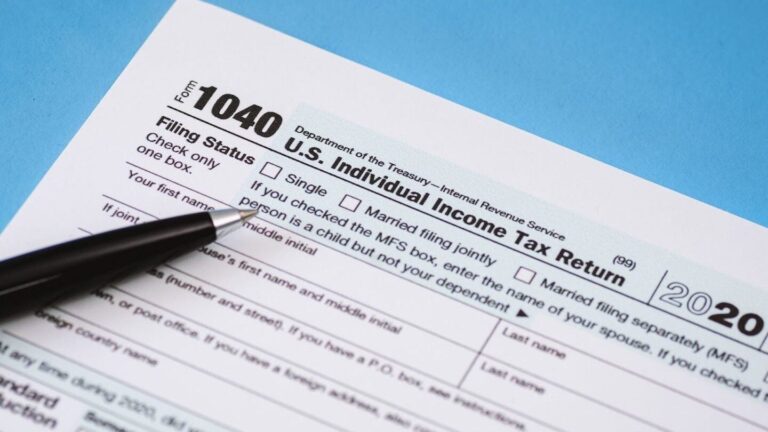
Are you wondering if you can deduct the cost of headphones on your taxes? Understanding what expenses you can write off can help you save money and make the most of your tax return. In this article, we will explore the tax deductibility of headphones and provide you with practical guidance on how to navigate this aspect of tax law.
Tax Tips: Claiming Headphones for Business Expenses
When it comes to tax deductions, it’s essential to know what expenses you can claim to maximize your savings. One common question that arises is whether you can claim headphones for business expenses. The answer is yes, under certain conditions.
Headphones can be considered a tax-deductible expense if they are used solely for business purposes. If you use them for both personal and business reasons, you can only claim the portion that is used for work-related activities.
To ensure you can successfully claim your headphones as a business expense, keep detailed records of your headphone usage. This could include logging the time you spend using them for work, as well as keeping receipts and invoices as proof of purchase.
Remember that the key to claiming headphones for business expenses lies in demonstrating that they are necessary for your work. If you use them for tasks such as transcribing interviews, participating in virtual meetings, or editing audio files, you have a strong case for their tax deductibility.
It’s also essential to stay updated on the latest tax regulations regarding business expenses, including electronic devices such as headphones. Consulting with a tax professional can provide you with personalized advice based on your specific situation.
Tax Deductions: Can You Write Off Headphones?
When it comes to tax deductions, individuals often wonder if they can write off headphones as a business expense. The answer depends on the specific circumstances and intended use of the headphones.
Headphones can be considered a tax-deductible expense if they are used solely for business purposes. If you use the headphones for work-related activities such as virtual meetings, conference calls, or to block out noise in a shared workspace, you may be able to claim them as a deduction on your taxes.
However, if the headphones are used for personal entertainment, such as listening to music or watching videos during non-work hours, they would not qualify as a tax deduction.
It’s essential to keep detailed records of your headphone usage to support your deduction claim. Here are some tips to ensure you can justify the deduction in case of an audit:
- Label the headphones as “business use only” to distinguish them from personal headphones.
- Keep receipts or invoices as proof of purchase.
- Maintain a log detailing when and how the headphones are used for work.
Remember, it’s always advisable to consult with a tax professional or accountant to determine the eligibility of specific expenses for tax deductions. They can provide guidance tailored to your individual situation and ensure compliance with tax laws.
Maximizing Lifespan: ATO Headset Durability Guide
When considering if headphones are tax deductible, it’s important to understand the criteria set by the Australian Taxation Office (ATO). The ATO allows you to claim deductions for work-related expenses, including tools and equipment necessary for your job. However, the durability and lifespan of the headset play a crucial role in determining its tax deductibility.
To maximize the lifespan of your headset and ensure it meets the ATO’s criteria for tax deductibility, follow these practical tips:
- Invest in a high-quality, durable headset that is designed for regular use.
- Properly maintain and care for your headset by cleaning it regularly and storing it in a safe place when not in use.
- Avoid exposing your headset to extreme temperatures or physical damage that could shorten its lifespan.
- Consider purchasing a warranty or insurance for your headset to protect it from unexpected damage or malfunctions.
By following these guidelines and ensuring the durability of your headset, you can increase the likelihood of it being considered a tax-deductible work expense by the ATO. Remember to keep detailed records of your headset purchase and use, including receipts and usage logs, to support your deduction claim during tax time.
Maximize Your Tax Savings: Claiming Electronics Expenses
If you’re wondering whether headphones are tax deductible, the answer lies in how you use them for your work. In general, the cost of electronics such as headphones can be claimed as a business expense on your taxes if they are used solely for work purposes.
For example, if you work in a call center and require headphones to perform your job, you may be able to deduct the cost of purchasing them. However, if you also use the headphones for personal use, you can only deduct the portion that is used for work.
It’s important to keep detailed records of your headphone usage for work to support your claim. This can include logging the time spent using them for work-related tasks or keeping a separate pair exclusively for work purposes.
When claiming electronics expenses like headphones on your taxes, ensure that you are following the guidelines set by the tax authorities in your jurisdiction. Consulting with a tax professional can also provide you with personalized advice based on your specific situation.
Remember, maximizing your tax savings requires careful consideration of what expenses can be legitimately claimed. By understanding the rules around tax deductions for electronics like headphones, you can potentially reduce your taxable income and keep more money in your pocket.
As a final tip, if you are considering whether headphones are tax-deductible for your work or business, remember to keep detailed records of your purchases and their specific use for work-related activities. This documentation will be crucial in case of an audit or when claiming deductions on your taxes.
Remember, tax regulations can be complex and vary depending on your location and individual circumstances. Always consult with a tax professional or accountant to ensure you are compliant with the latest laws and regulations.
We hope this article has shed some light on the topic of tax deductions for headphones. If you found this information helpful, feel free to leave a comment below, share this article with your friends and colleagues, or explore other related articles on our blog.
Thank you for reading, and remember, stay informed to make the best decisions for your financial well-being!
If you found this article informative and engaging, be sure to visit our IT Certifications section for more insightful articles like this one. Whether you’re a seasoned enthusiast or just beginning to delve into the topic, there’s always something new to discover in auslegalhub.com. See you there!

