
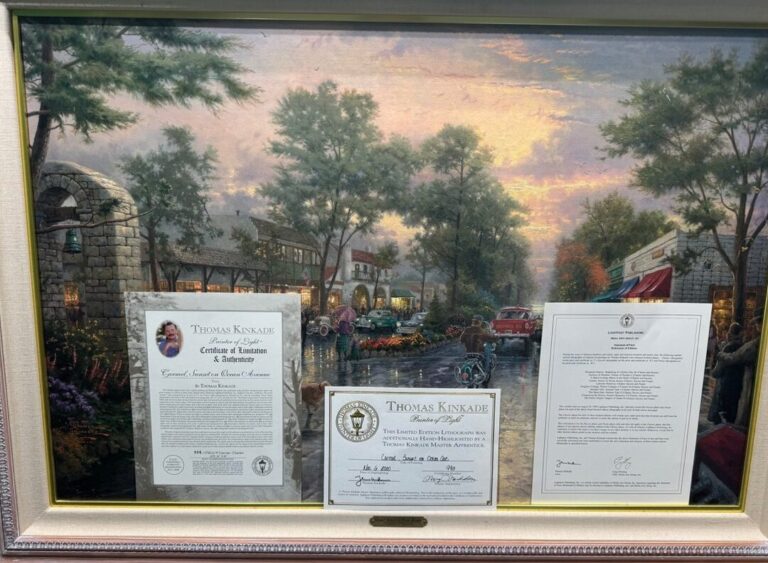
Art certificates of authenticity play a crucial role in the art world, providing assurance to buyers regarding the legitimacy and provenance of a piece of art. Understanding what these certificates entail and how to navigate them is essential for both artists and collectors alike. In this article, we will delve into the significance of art certificates of authenticity, what information they should contain, and how to ensure their validity.
Unlocking the Art World: Your Guide to Obtaining a Certificate of Authenticity
Welcome to our blog post dedicated to guiding you through the process of obtaining a Certificate of Authenticity for your valuable artwork. Whether you are an artist, collector, or buyer, having a certificate of authenticity is crucial in the art world to guarantee the legitimacy and provenance of a piece.
Here are some key steps to follow when seeking a Certificate of Authenticity:
- 1. Verify the Artist: Ensure that the artist is reputable and recognized in the art community.
- 2. Document the Artwork: Keep detailed records of the artwork, including photographs, dimensions, medium, and any unique characteristics.
- 3. Request the Certificate: Reach out to the artist, gallery, or a recognized authenticator to obtain the certificate.
- 4. Review the Certificate: Check that the certificate includes essential information such as the artist’s name, title of the artwork, medium, dimensions, and date.
- 5. Protect the Certificate: Store the certificate in a safe place, separate from the artwork, to prevent loss or damage.
Remember, a certificate of authenticity adds value to your artwork and provides assurance to potential buyers or future generations. By following these steps, you can navigate the art world with confidence and ensure the authenticity of your treasured pieces.
Unveiling Authenticity: How to Verify Artwork Origin
When it comes to verifying the origin of artwork, having a valid art certificate of authenticity is essential. This document serves as proof of the artwork’s origin, ensuring its authenticity and providing peace of mind to both buyers and sellers. However, it’s crucial to know how to properly verify the information contained in the certificate to avoid any potential issues in the future.
Here are some practical steps you can take to unveil the authenticity of artwork through its certificate:
- Examine the Details: Start by carefully examining the details provided in the certificate of authenticity. Look for information such as the artist’s name, title of the artwork, dimensions, medium, and any other relevant details that can help confirm its authenticity.
- Verify the Source: Check the source of the certificate to ensure it is reputable and trustworthy. Some renowned sources include art galleries, auction houses, and directly from the artist or their estate.
- Cross-Reference Information: Cross-reference the details mentioned in the certificate with other available sources, such as art databases, exhibition catalogs, or the artist’s official website. Consistency in information is key to confirming authenticity.
- Consult Experts: When in doubt, consult with art experts or appraisers who specialize in the artist or the specific artwork. Their expertise can provide valuable insights and help validate the authenticity of the piece.
- Keep Documentation: Finally, make sure to keep a copy of the certificate of authenticity along with any other relevant documentation related to the artwork. This will be crucial for future verification or if the artwork is ever resold.
By following these steps and being diligent in verifying the authenticity of artwork through its certificate, you can ensure that you are investing in a genuine piece of art with a documented provenance.
Crafting Your Own COA: A Practical Guide to Certificates of Analysis
When it comes to the world of art, having a certificate of authenticity (COA) can add significant value to a piece. Crafting your own COA is a practical and valuable skill for artists and collectors alike. Here is a guide to help you navigate the process:
1. Include Essential Information:
Ensure your COA includes key details such as the artist’s name, title of the artwork, medium used, dimensions, date created, and a brief description of the piece. This information is crucial for authentication purposes.
2. Add Security Features:
Consider incorporating security features into your COA to prevent forgery. This can include holographic stickers, watermarks, or unique serial numbers. These features enhance the credibility of the certificate.
3. Sign and Date:
Always sign and date the COA to validate its authenticity. This adds a personal touch and accountability to the certificate, reassuring buyers of the artwork’s origin.
4. Provide Care Instructions:
Offering care instructions for the artwork on the COA can help maintain its condition over time. This shows that you are invested in the longevity of the piece and adds value for the buyer.
5. Consider Professional Help:
If you are unsure about creating a COA yourself, consider hiring a professional to assist you. They can ensure that all necessary information is included and that the certificate meets industry standards.
By following these steps, you can create a certificate of authenticity that enhances the value and credibility of your artwork. Remember, a well-crafted COA not only provides assurance to buyers but also preserves the integrity of your artistic creations.
Unlocking the Cost: Artwork Authentication Fees Demystified
When delving into the world of art certificates of authenticity, one crucial aspect to consider is the artwork authentication fees that come with it. Understanding these costs can help demystify the process and ensure that you are well-prepared when obtaining a certificate for your valuable artwork.
Here are some key points to keep in mind when it comes to art certificate of authenticity fees:
- Research: Before committing to a specific authentication service, it’s essential to research different providers and compare their fees. Look for reputable companies that offer transparent pricing structures.
- Types of Certificates: The cost of artwork authentication can vary depending on the type of certificate you choose. Basic certificates may be more affordable, while comprehensive certificates with in-depth research and analysis may come at a higher price.
- Artwork Value: Some certificate of authenticity providers base their fees on the value of the artwork being authenticated. Be prepared to provide information about the artwork’s provenance, artist, and current market value.
- Additional Services: In some cases, additional services such as appraisals, conservation assessments, or expert consultations may be offered at an extra cost. Determine if these services are necessary for your specific artwork.
- Turnaround Time: If you require expedited art certificate services, be prepared to pay a premium for a faster turnaround time. Standard processing times are usually more cost-effective.
By considering these factors and being aware of the art certificate of authenticity fees associated with the authentication process, you can navigate the art world with confidence and ensure that your valuable pieces are properly documented and protected.
As a final tip, always remember to keep your art certificate of authenticity in a safe and secure place to protect its validity and ensure its preservation over time. By doing so, you will safeguard the value and provenance of your artwork for years to come.
Thank you for reading our blog on legal and practical aspects related to certificates, contracts, declarations, licenses, renewals, and tax issues. We hope you found the information valuable and insightful.
Remember, this blog is for informational purposes only. For specific legal or regulatory advice regarding art certificates of authenticity, always consult with a professional in the field.
We invite you to share your thoughts in the comments section below, share this article on social media, or explore other related articles on our website. Your engagement helps us create content that is relevant and useful to our readers.
Thank you for being a part of our community. Stay informed, stay empowered!
If you found this article informative and engaging, be sure to visit our Other Certificates section for more insightful articles like this one. Whether you’re a seasoned enthusiast or just beginning to delve into the topic, there’s always something new to discover in auslegalhub.com. See you there!

