
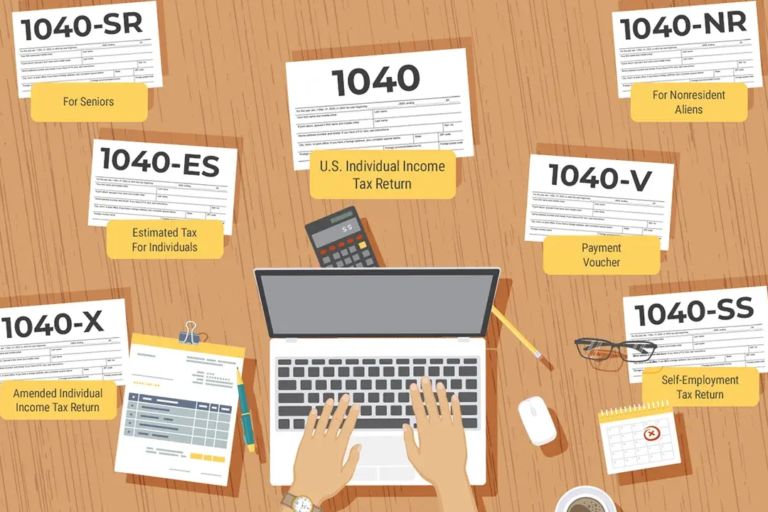
Welcome to our blog! Today, we will be delving into the world of Australian Resident Withholding Tax. Understanding the ins and outs of this tax regulation is crucial for individuals and businesses operating in Australia. So, let’s explore what Australian Resident Withholding Tax is, how it may impact you, and what steps you can take to ensure compliance and minimize any potential financial implications. Let’s get started!
Demystifying Resident Withholding Tax: Your Guide to Understanding and Compliance
Understanding and complying with Australian resident withholding tax is essential for anyone involved in financial transactions with residents in Australia. This tax, also known as interest or dividend withholding tax, is imposed on payments made to foreign residents, and the responsibility for withholding and remitting this tax falls on the payer.
Here are some key points to help you navigate the complexities of Australian resident withholding tax:
- Who is considered a foreign resident: For tax purposes, a foreign resident is someone who is not a resident of Australia. Different rules apply to residents and non-residents, so it’s crucial to determine the residency status of the payee.
- Types of income subject to withholding tax: Common types of income subject to withholding tax include interest, dividends, royalties, and certain capital gains.
- Rates and exemptions: The withholding tax rates vary depending on the type of income and the residency status of the payee. Some payments may be exempt from withholding tax under international tax agreements.
When conducting transactions subject to Australian resident withholding tax, ensure you:
- Obtain the necessary forms: The payer must obtain the relevant forms, such as the Withholding Declaration Form, to determine the correct amount of tax to withhold.
- Withhold and remit tax: Calculate the appropriate amount of tax to withhold based on the type of income and the residency status of the payee. Ensure timely remittance to the Australian Taxation Office (ATO).
- Keep accurate records: Maintain detailed records of payments subject to withholding tax, including the amount withheld and remitted to the ATO. This documentation is crucial for compliance and audit purposes.
By understanding the requirements and obligations related to Australian resident withholding tax, you can ensure compliance and avoid potential penalties for non-compliance. If you have specific questions or need assistance with withholding tax matters, consider consulting a tax professional or contacting the ATO for guidance.
Demystifying Withholding Tax in Australia: What You Need to Know
When it comes to Australian resident withholding tax, understanding the key concepts is crucial to navigating tax obligations successfully. Below, we break down the essentials to help demystify withholding tax in Australia:
What is Australian Resident Withholding Tax?
Australian Resident Withholding Tax is a tax collected by businesses and other payers from payments made to residents. The purpose is to ensure that the Australian Taxation Office (ATO) receives tax revenue throughout the income year, rather than in a lump sum at the end of the year.
Key Points to Remember:
- Residency Status: The withholding tax applies to Australian tax residents.
- Types of Income: It typically applies to interest, dividends, royalties, and certain other payments.
- Rate: The withholding tax rate varies depending on the type of income and residency status.
- Exceptions: Some payments are exempt from withholding tax under Australian tax laws.
How to Manage Australian Resident Withholding Tax?
Here are some steps to effectively manage your Australian resident withholding tax obligations:
| Action | Description |
|---|---|
| Evaluate Residency Status | Determine whether you qualify as an Australian tax resident for withholding tax purposes. |
| Understand Payment Types | Identify the types of payments subject to withholding tax to ensure compliance. |
| Calculate and Withhold Tax | Apply the correct withholding tax rate to relevant payments and remit to the ATO. |
| Stay Informed | Keep up-to-date with any changes to withholding tax regulations to avoid penalties. |
By staying informed and following these guidelines, you can effectively navigate Australian resident withholding tax requirements. For specific cases or further assistance, consider consulting with a tax professional to ensure compliance and minimize risks.
Unlocking Tax Refunds: How to Reclaim Withholding Tax in Australia
When it comes to reclaiming Australian resident withholding tax refunds, there are important steps you need to follow to ensure you receive what you are owed. As an Australian resident, understanding the process and requirements is crucial to unlocking your tax refunds.
Here are some key points to consider:
1. Determine Your Eligibility: Before proceeding with reclaiming withholding tax, make sure you are eligible to do so as an Australian resident. Certain criteria must be met to qualify for a refund.
2. Gather Necessary Documents: Collect all relevant documents such as payment summaries, receipts, and any other supporting evidence to substantiate your claim for a refund.
3. Lodge a Tax Return: To reclaim withholding tax, you typically need to lodge a tax return with the Australian Taxation Office (ATO). Ensure all information provided is accurate and up to date.
4. Seek Professional Advice: If you are unsure about the process or need assistance with reclaiming withholding tax, consider seeking advice from a tax professional or accountant who specializes in Australian tax laws.
5. Monitor Your Refund Status: After lodging your tax return, keep track of your refund status through the ATO online portal or by contacting their customer service for updates.
By following these steps and staying informed about the Australian resident withholding tax refund process, you can effectively reclaim any tax refunds owed to you as an Australian resident.
Why Am I Being Charged Withholding Tax? Understanding the Basics
Australian resident withholding tax is a tax that is deducted from payments made to individuals or entities by a payer in Australia. This tax is withheld at the source and is required by law to be paid to the Australian Taxation Office (ATO). If you are being charged withholding tax, it means that a portion of your payment is being held back by the payer and remitted to the ATO on your behalf.
There are several reasons why you may be subject to withholding tax as an Australian resident:
- Income earned from investments: If you receive interest, dividends, or royalties, the payer is required to withhold tax before paying you.
- Income earned from employment: Employers may withhold tax from your salary or wages to meet their tax obligations.
- Contractor payments: If you are a contractor, the payer may withhold tax to comply with tax laws.
Understanding Australian resident withholding tax is important to ensure compliance with tax regulations. To avoid any surprises, make sure you provide your tax file number (TFN) to the payer to prevent higher tax rates from being applied. Additionally, consider seeking advice from a tax professional to understand your tax obligations and potential deductions.
By staying informed and proactive, you can manage withholding tax effectively and ensure that you meet your tax responsibilities as an Australian resident.
Before we wrap up our discussion on Australian resident withholding tax, here’s a final tip for you: Always keep detailed records of any tax withheld and payments made, as these will be crucial for your tax reporting and compliance.
Remember, staying informed about tax regulations and seeking professional advice when needed is key to managing your tax obligations effectively. Consulting with a tax professional will provide you with personalized guidance tailored to your specific situation, ensuring compliance and peace of mind.
We hope you found this information valuable. If you have any questions, insights, or experiences to share regarding Australian resident withholding tax, feel free to leave a comment below. Don’t forget to share this article with others who may benefit from it and explore our other related articles for more useful tips and insights.
Thank you for being a part of our community dedicated to navigating the complexities of certificates, contracts, declarations, licenses, renewals, and tax issues. Stay informed, stay compliant, and make informed decisions for a smoother financial journey!
If you found this article informative and engaging, be sure to visit our Income Tax section for more insightful articles like this one. Whether you’re a seasoned enthusiast or just beginning to delve into the topic, there’s always something new to discover in auslegalhub.com. See you there!

