
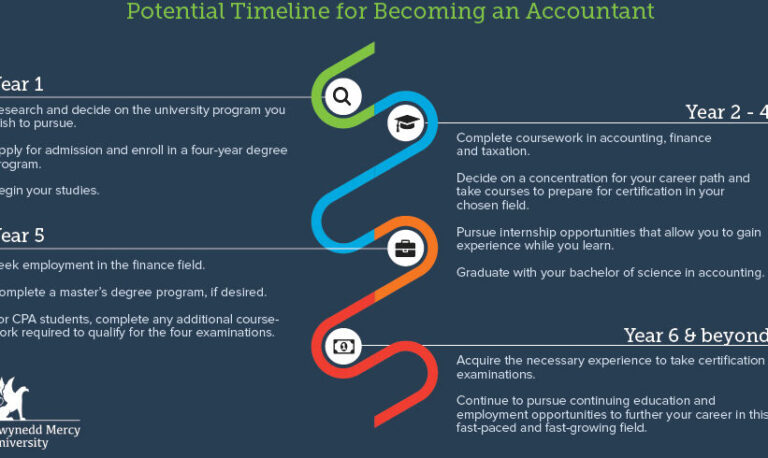
Are you interested in becoming a tax agent and delving into the world of tax regulations and compliance? Whether you’re looking to expand your career opportunities, start your own tax consultancy business, or simply gain a deeper understanding of tax issues, becoming a tax agent can open up a variety of possibilities. In this article, we will guide you through the steps and requirements to become a tax agent, providing you with practical advice and insights to help you navigate this rewarding path.
Becoming a Tax Agent in Australia: Time Frame & Process
To become a tax agent in Australia, there are specific steps and timelines you need to follow. The process involves several key stages that applicants must complete to obtain registration with the Tax Practitioners Board (TPB).
1. Eligibility Requirements:
Before applying to become a tax agent, ensure you meet the following eligibility criteria:
- Hold a relevant qualification such as a degree in accounting, commerce, law, or related fields.
- Gain a minimum of 18 months of experience working in tax-related roles.
- Obtain a valid Tax Practitioner Board (TPB) approved course in Australian taxation law.
2. Application Process:
Once you meet the eligibility criteria, you can proceed with the application process:
- Submit an online application through the TPB portal.
- Provide all necessary documentation, including proof of qualifications and experience.
- Pay the application fee as required by the TPB.
3. Assessment and Approval:
After submitting your application, the TPB will assess your qualifications and experience. If everything meets the requirements, you will receive approval to become a registered tax agent.
4. Time Frame:
The time frame for becoming a tax agent in Australia can vary depending on factors such as the completeness of your application, TPB processing times, and any additional requirements. On average, the process can take between 2 to 6 months from application submission to approval.
It’s essential to ensure you provide all necessary information and meet the eligibility criteria to expedite the process and avoid delays in becoming a registered tax agent in Australia.
Tax Agent vs Accountant: Understanding the Differences
When considering becoming a tax agent, it’s crucial to understand the differences between a Tax Agent and an Accountant. While both professions deal with financial matters, their roles and responsibilities vary significantly.
Tax Agent:
- Specializes in tax law and regulations.
- Authorized by the government to represent individuals and businesses in dealings with the tax authorities.
- Can provide tax advice, prepare and lodge tax returns, and represent clients in case of audits or disputes.
Accountant:
- Offers a broader range of financial services, including bookkeeping, financial analysis, and tax preparation.
- Not necessarily authorized to represent clients before tax authorities.
- Can offer general tax advice but may need to refer clients to a Tax Agent for specialized tax matters.
When pursuing a career as a tax agent, it’s essential to meet specific requirements set by the tax authority in your jurisdiction. These requirements may include:
| Requirement | Description |
| Education | Completion of a relevant tax or accounting degree or qualification. |
| Experience | Minimum years of practical experience in tax-related roles. |
| Professional Development | Continuing education to stay updated on tax laws and regulations. |
By understanding the distinctions between a Tax Agent and an Accountant and meeting the necessary requirements, you can make an informed decision about becoming a tax agent and providing specialized tax services to individuals and businesses.
Becoming a Tax Consultant in Australia: Your Step-by-Step Guide
If you’re looking to become a tax agent in Australia, here’s a step-by-step guide to help you navigate the process smoothly:
Step 1: Meet the Requirements
Ensure you meet the eligibility criteria set by the Tax Practitioners Board (TPB). This typically includes having relevant qualifications and experience in taxation.
Step 2: Obtain a Tax Agent Certificate
Apply for a Tax Agent Certificate through the TPB. Submit the required documents and pay the application fee. Once approved, you can legally operate as a tax agent.
Step 3: Join a Recognized Professional Association
Consider joining a recognized professional association like the Tax Institute or CPA Australia. Membership can enhance your credibility as a tax agent and provide valuable networking opportunities.
Step 4: Stay Compliant
Keep up-to-date with the latest tax laws and regulations to ensure compliance. Attend relevant training programs and seminars to enhance your knowledge and skills.
Step 5: Renew Your Registration
Remember to renew your registration as a tax agent with the TPB regularly. Failure to do so may result in suspension of your license.
By following these steps diligently, you can establish yourself as a successful tax agent in Australia and provide valuable services to clients seeking expert tax advice.
Maximize Your Savings: The Benefits of Hiring a Tax Agent
Hiring a tax agent can bring numerous benefits when it comes to maximizing your savings and ensuring compliance with tax regulations. Here are some key reasons why you should consider becoming a tax agent:
- Expertise and Knowledge: A tax agent is well-versed in tax laws and regulations, helping you navigate complex tax requirements efficiently.
- Maximize Deductions: By working with a tax agent, you can identify all eligible deductions and credits to minimize your tax liability.
- Reduce Errors: Tax agents can help you avoid costly mistakes on your tax returns, ensuring accuracy and compliance with regulations.
Moreover, tax agents can provide valuable advice on tax planning strategies to optimize your financial situation and achieve long-term savings. They can also represent you in case of tax audits, providing peace of mind and expert guidance throughout the process.
By becoming a tax agent, you can take control of your tax affairs and benefit from professional expertise to maximize your savings effectively.
As a final tip, if you are considering becoming a tax agent, remember that staying updated on tax laws and regulations is crucial to success in this field. Regularly attending workshops, seminars, and courses can help you stay current and provide the best service to your clients. Additionally, networking with other tax professionals can open up new opportunities and help you grow your business.
Thank you for reading our blog and learning more about becoming a tax agent. We hope you found the information valuable and insightful. If you have any questions or would like to share your own experiences, feel free to leave a comment below. Don’t forget to share this article on social media to help others who might be interested in this topic. Remember, this is an informative blog, and always consult with a professional tax advisor for personalized advice and guidance.
Stay informed, stay proactive, and continue exploring our blog for more articles on legal, regulatory, and practical aspects related to certificates, contracts, declarations, licenses, renewals, and tax issues. Your journey to becoming a successful tax agent starts here!
If you found this article informative and engaging, be sure to visit our Professional Licenses section for more insightful articles like this one. Whether you’re a seasoned enthusiast or just beginning to delve into the topic, there’s always something new to discover in auslegalhub.com. See you there!

