
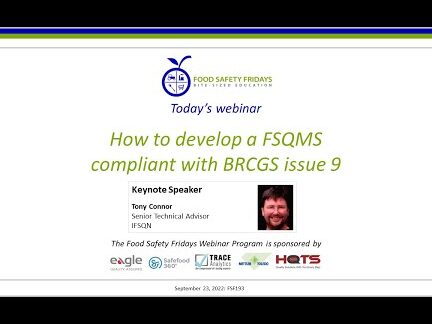
Welcome to our latest article focusing on the essential topic of BRC certificates in the food industry. If you are involved in food production or supply, understanding the requirements and benefits of BRC certification is crucial for ensuring the quality and safety of your products. In this piece, we will delve into what BRC certificates are, why they matter, and how you can obtain and maintain them successfully. Let’s explore how BRC certification can elevate your business and meet industry standards seamlessly.
Demystifying BRC: A Guide to Food Industry Certification
In the food industry, obtaining a BRC certificate is crucial for demonstrating compliance with safety and quality standards. This certification ensures that your products meet the necessary requirements to be sold in international markets. Understanding the process of acquiring a BRC certificate can be complex, but with the right guidance, it becomes more manageable.
Here are some key steps to demystify the BRC certification process:
- Start by familiarizing yourself with the BRC Global Standards for Food Safety.
- Conduct a gap analysis to identify areas where your current practices may not meet BRC requirements.
- Implement necessary changes to align your processes with BRC standards.
- Document all procedures and policies to demonstrate compliance during the audit.
- Choose a certification body accredited by the BRC to conduct the audit.
- Schedule and undergo the audit to assess your compliance with BRC standards.
- Address any non-conformities identified during the audit and implement corrective actions.
By following these steps and staying informed about updates to BRC standards, you can streamline the process of obtaining and maintaining your BRC certificate. Remember, certification is not a one-time achievement; it requires ongoing commitment to upholding the highest food safety and quality standards.
Decoding BRC vs. HACCP: Understanding the Key Differences
When it comes to ensuring BRC certificate food compliance, understanding the differences between BRC and HACCP is essential. Both systems play crucial roles in maintaining food safety standards, but they have distinct characteristics that set them apart.
Key Differences between BRC and HACCP:
| BRC | HACCP |
|---|---|
| British Retail Consortium | Hazard Analysis and Critical Control Points |
| Focuses on overall food safety and quality management systems | Focuses on identifying and controlling specific hazards |
| Requires certification for suppliers | Internationally recognized system |
While BRC certification emphasizes the implementation of comprehensive food safety management systems throughout the supply chain, HACCP specifically addresses the identification and control of hazards at critical points during food production.
For businesses in the food industry, obtaining a BRC certificate demonstrates commitment to high standards of food safety and quality. On the other hand, implementing HACCP principles is essential for identifying potential risks and preventing food safety issues.
It’s important to note that some organizations may choose to implement both BRC and HACCP systems to ensure thorough compliance with food safety regulations and industry best practices.
By understanding the key differences between BRC and HACCP, businesses can make informed decisions regarding their food safety management strategies and work towards achieving and maintaining BRC certificate food compliance.
How to Obtain BRC Certification: Your Step-by-Step Guide
Obtaining BRC certificate food is essential for companies in the food industry to demonstrate compliance with food safety standards. Follow these steps to guide you through the process:
Step 1: Understand BRC Standards
Before applying for BRC certification, familiarize yourself with the specific requirements outlined in the BRC Global Standard for Food Safety. This will help you assess your current practices and identify areas that need improvement.
Step 2: Conduct a Gap Analysis
Perform a thorough gap analysis to identify any discrepancies between your current processes and the BRC standards. This will help you prioritize actions needed to meet the certification requirements.
Step 3: Implement Corrective Actions
Address any gaps identified during the analysis by implementing corrective actions. This may involve updating procedures, providing training to staff, or improving infrastructure to meet the necessary standards.
Step 4: Choose a Certification Body
Select a reputable certification body accredited to issue BRC certificate food. Ensure they have experience in your industry and are recognized by the BRC Global Standards program.
Step 5: Arrange for the Audit
Contact the chosen certification body to schedule an audit of your food safety management system. During the audit, the certification body will assess your compliance with the BRC standards.
Step 6: Receive Certification
If your company successfully meets all the requirements during the audit, you will be awarded the BRC certificate food. This certification demonstrates your commitment to food safety and quality to customers and stakeholders.
By following these steps and ensuring ongoing compliance with BRC standards, your company can maintain the BRC certificate food and continue to uphold high standards of food safety in the industry.
Understanding BRC Certification: Does it Include HACCP Compliance?
When delving into the realm of BRC certification in the food industry, it’s crucial to understand its relationship with HACCP compliance. The British Retail Consortium (BRC) sets the standards for food safety and quality, while Hazard Analysis and Critical Control Points (HACCP) is a systematic approach to identifying and controlling food safety hazards.
While BRC certification does not specifically include HACCP compliance, it does incorporate HACCP principles within its requirements. BRC certification encompasses a wider scope of criteria beyond HACCP, ensuring that food manufacturers meet stringent standards in various areas such as food safety, quality, and legality.
However, to achieve BRC certification, companies must demonstrate effective implementation of HACCP principles as part of their overall food safety management system. This involves conducting hazard analysis, determining critical control points, establishing monitoring procedures, implementing corrective actions, and maintaining records.
Therefore, while HACCP compliance is not the sole focus of BRC certification, it is an integral component that contributes to overall food safety and quality assurance. By aligning with BRC standards, companies can enhance their credibility, gain market access, and assure consumers of their commitment to producing safe and high-quality food products.
As we wrap up our discussion on BRC certificates for food, remember that staying informed and up to date on certification requirements is key to ensuring compliance and maintaining consumer trust. One final tip is to regularly review and update your documentation to reflect any changes in regulations or standards.
Thank you for joining us on this journey to understand the intricacies of BRC certificates. We hope you found this information valuable and practical for your business. If you have any questions, insights, or experiences to share, feel free to leave a comment below. You can also help others by sharing this article on your social media platforms or by exploring more related articles on our blog.
Remember, this blog serves as a guide and starting point for your research. Always consult with a professional in the field to address your specific needs and circumstances.
Stay tuned for more insightful content on legal, regulatory, and practical aspects of certificates, contracts, declarations, licenses, renewals, and tax issues. Until next time!
If you found this article informative and engaging, be sure to visit our Other Certificates section for more insightful articles like this one. Whether you’re a seasoned enthusiast or just beginning to delve into the topic, there’s always something new to discover in auslegalhub.com. See you there!

