
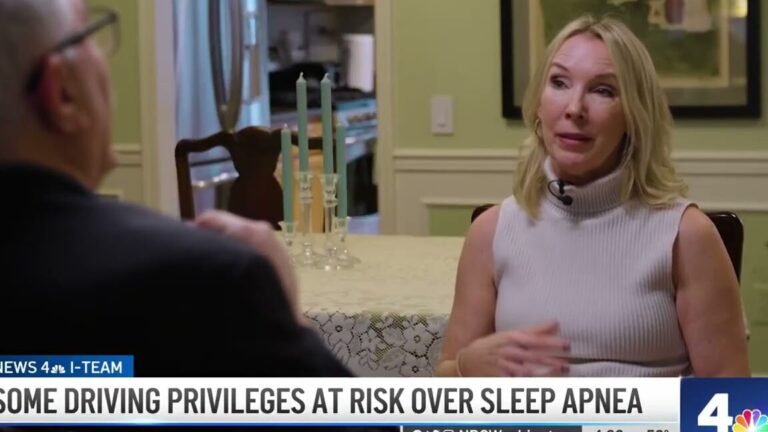
Many people are unaware that sleep apnea can potentially impact their driving privileges. In this article, we will explore the connection between sleep apnea and driver’s license regulations, as well as provide valuable insights on how to navigate this issue without jeopardizing your license.
Driving with Sleep Apnea in Australia: What You Need to Know
If you have sleep apnea and drive in Australia, it’s crucial to understand the regulations to avoid any issues with your license. Here’s what you need to know:
1. Diagnosis: If you have been diagnosed with sleep apnea, you are required to inform the relevant authorities, such as the Department of Transport, about your condition.
2. Medical Review: You may be asked to undergo a medical review to assess your ability to drive safely with sleep apnea. It’s important to comply with this review to ensure you meet the necessary standards.
3. Compliance: To continue driving legally, you must comply with any treatment prescribed for your sleep apnea, such as using a CPAP machine. Non-compliance could jeopardize your license.
4. Regular Reviews: You may be required to undergo regular reviews to assess your condition and ensure you are still fit to drive. Make sure to attend these reviews as scheduled.
5. Reporting Changes: If there are any changes in your condition or treatment, it’s essential to report them to the authorities promptly. This includes any changes in your symptoms or the effectiveness of your treatment.
By staying informed about the regulations and following the necessary steps, you can continue to drive safely and legally with sleep apnea in Australia. Remember, safety should always be the top priority when operating a vehicle.
Driving with Sleep Apnea: What You Need to Know
Can I lose my license because of sleep apnea? Driving with sleep apnea can be a concern for many individuals, especially when it comes to the safety of oneself and others on the road. It is essential to understand the implications of having sleep apnea and how it can impact your driving privileges.
Sleep apnea is a common sleep disorder that affects breathing during sleep. If left untreated, it can lead to daytime drowsiness, fatigue, and difficulty concentrating – all of which can significantly impair your ability to drive safely.
When it comes to driving with sleep apnea, here’s what you need to know:
- Medical Assessment: If you have been diagnosed with sleep apnea, it is crucial to follow your healthcare provider’s recommendations for treatment. This may include the use of a CPAP machine or other therapies to manage your condition.
- Reporting to Authorities: In some jurisdictions, individuals with sleep apnea are required to report their condition to the relevant licensing authorities. Failure to do so could result in penalties or loss of driving privileges.
- Regular Check-ups: It is important to attend regular follow-up appointments with your healthcare provider to ensure that your sleep apnea is being effectively managed. This not only promotes your overall health but also demonstrates your commitment to safe driving practices.
- Compliance with Treatment: Adhering to your prescribed treatment plan is essential for managing your sleep apnea effectively. This can help reduce the risk of accidents on the road due to drowsiness or impaired alertness.
In conclusion, while having sleep apnea may not automatically lead to losing your license, it is crucial to take the necessary steps to manage your condition effectively and ensure that you are fit to drive safely. By staying informed, seeking appropriate treatment, and abiding by any regulatory requirements, you can maintain your driving privileges while prioritizing the safety of yourself and others on the road.
Is Sleep Apnea a Disability? Legal Insights & Qualification Criteria
Sleep apnea is a medical condition that affects breathing during sleep, leading to pauses in breathing or shallow breathing. It can have significant implications for individuals, including potential impacts on driving privileges. If you are wondering, “Can I lose my license because of sleep apnea?” it’s essential to understand the legal aspects and qualification criteria involved.
When it comes to sleep apnea and driving, the main concern is the potential risk of falling asleep at the wheel due to poor sleep quality. However, having sleep apnea does not automatically disqualify you from holding a driver’s license. The key is to manage the condition effectively to ensure safety on the road.
Here are some steps you can take to address concerns about sleep apnea and driving:
- 1. Consult a healthcare professional: If you suspect you have sleep apnea or have already been diagnosed, seek guidance from a healthcare provider specializing in sleep disorders.
- 2. Follow treatment recommendations: Adhering to prescribed treatments such as continuous positive airway pressure (CPAP) therapy can significantly improve sleep apnea symptoms and reduce associated risks.
- 3. Regular monitoring: Keep up with follow-up appointments and assessments to track your progress and ensure that your sleep apnea is well-managed.
- 4. Educate yourself: Learn about the effects of sleep apnea on your daily life and activities, including driving, to make informed decisions.
It’s important to note that in some cases, individuals with sleep apnea may need to provide medical documentation or undergo evaluations to demonstrate their ability to drive safely. By proactively managing your condition and following the necessary steps, you can minimize the risk of losing your license due to sleep apnea.
Sleep Apnea: Understanding Its Impact on Certificates and Licenses
If you are concerned about whether you can lose your license due to sleep apnea, it’s essential to understand the potential impact this condition can have on your certificates and licenses. Sleep apnea is a common sleep disorder that affects breathing during sleep, leading to symptoms such as snoring, gasping for air, and daytime fatigue.
When it comes to professional licenses and certificates, certain regulations may require individuals to meet specific health criteria to ensure public safety. In some cases, individuals with sleep apnea may be asked to provide medical evidence of effective treatment and management of the condition to maintain their license.
If you have been diagnosed with sleep apnea and are concerned about its impact on your license, here are some practical steps you can take:
- Educate Yourself: Learn about the regulations and requirements related to sleep apnea and professional licenses in your industry.
- Seek Medical Treatment: Consult a healthcare provider for diagnosis, treatment, and documentation of your sleep apnea.
- Communicate with Licensing Authorities: Inform the relevant licensing authorities about your condition and provide any necessary medical documentation.
- Follow Treatment Plans: Adhere to the recommended treatment plan for your sleep apnea to demonstrate compliance with health requirements.
- Regular Monitoring: Stay proactive in managing your sleep apnea and attend follow-up appointments as needed.
Remember, the key is to proactively manage your sleep apnea and communicate effectively with the relevant authorities to ensure compliance with any regulations that may impact your license. By staying informed and taking appropriate actions, you can help safeguard your professional credentials while managing your health effectively.
As a final tip, if you have sleep apnea and hold a license that requires you to meet certain medical standards, it’s crucial to seek treatment and comply with any requirements set by the licensing authority. By managing your condition effectively, you can demonstrate your commitment to safety and potentially avoid any issues with your license.
Remember, every situation is different, so it’s essential to consult with a healthcare provider and a legal professional who specializes in licensing matters. They can provide personalized advice based on your specific circumstances.
Thank you for reading our blog and staying informed on important legal and regulatory topics. If you found this article helpful, we invite you to share it with others who may benefit from this information. Feel free to leave a comment below sharing your thoughts or questions. And remember, always consult with a professional for personalized guidance on your specific situation.
Good luck on your journey to understanding and navigating the complexities of certificates, contracts, declarations, licenses, renewals, and tax issues!
If you found this article informative and engaging, be sure to visit our Healthcare Licenses section for more insightful articles like this one. Whether you’re a seasoned enthusiast or just beginning to delve into the topic, there’s always something new to discover in auslegalhub.com. See you there!

