
Are you wondering if you can claim cryptocurrency losses on your taxes? Understanding how to handle losses in the world of digital currencies can be complex but crucial for your financial well-being. In this article, we will explore the regulations and guidelines surrounding the claiming of crypto losses on your tax return, providing you with the knowledge and tools to navigate this often confusing aspect of taxation.
Tax Tips: Maximizing Crypto Loss Deductions
When it comes to taxes and cryptocurrency, it’s essential to understand how you can claim crypto losses on taxes to maximize deductions. Cryptocurrency investments can be volatile, and losses are not uncommon. Here are some tax tips to help you make the most of your crypto losses when filing your taxes:
- Evaluate your losses: Before you can claim any crypto losses on your taxes, you need to evaluate and document the losses you have incurred. Keep track of all transactions and calculate the difference between the purchase price and the selling price.
- Understand the tax treatment: In many countries, including the United States, crypto losses can be claimed as capital losses. This means you can offset your capital gains with capital losses, reducing your overall tax liability.
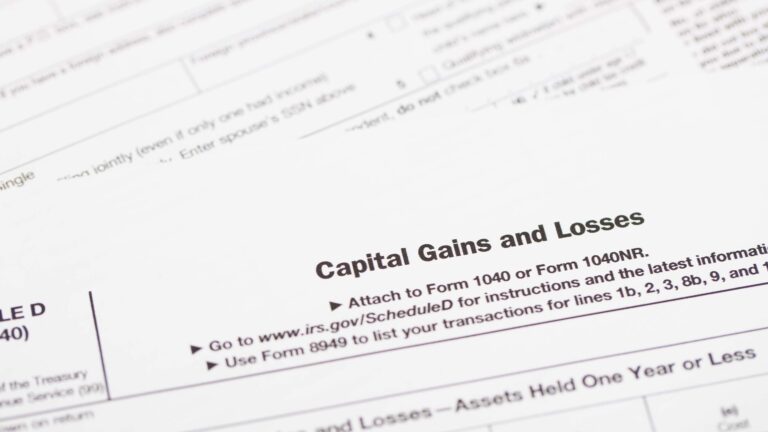
- File the appropriate forms: When claiming crypto losses on your taxes, make sure to fill out the necessary forms accurately. In the U.S., for example, you would use Form 8949 to report capital gains and losses.
- Keep detailed records: It’s crucial to keep detailed records of all your crypto transactions, including dates, amounts, and values. This documentation will support your claims in case of an audit.
By following these tax tips and understanding how to maximize crypto loss deductions, you can effectively manage your tax liability and make the most of your cryptocurrency investments.
Tax Tips: Offset Crypto Losses for Maximum Returns
When it comes to taxes and cryptocurrencies, it’s crucial to understand how to navigate claiming crypto losses on taxes to maximize your returns. Offsetting crypto losses can be a strategic move to optimize your tax situation. Here are some tips to help you make the most of your losses:
1. Keep Detailed Records
Keeping detailed records of your cryptocurrency transactions is essential when it comes to claiming losses on your taxes. Make sure to record the date of each transaction, the type of cryptocurrency involved, the amount bought or sold, and the value at the time of the transaction. This information will be invaluable when it’s time to report your losses to the tax authorities.
2. Understand Tax Regulations
It’s vital to familiarize yourself with the tax regulations regarding cryptocurrencies in your jurisdiction. Different countries have varying rules when it comes to taxing crypto transactions and losses. Consult with a tax professional or do thorough research to ensure you are compliant with the law.
3. Offset Gains with Losses
One strategy to consider is offsetting gains with losses. If you have experienced losses in your cryptocurrency investments, you can use these losses to offset any gains you have made in other investments. This can help reduce your overall tax liability.
4. Take Advantage of Tax Deductions
Some jurisdictions allow for tax deductions on cryptocurrency losses. By claiming your losses, you may be eligible for a deduction that can lower your taxable income, resulting in potential tax savings.
By understanding how to navigate the complexities of claiming crypto losses on taxes, you can optimize your tax situation and potentially increase your returns. Remember to keep detailed records, stay informed about tax regulations, consider offsetting gains with losses, and take advantage of available tax deductions. If in doubt, always seek advice from a qualified tax professional to ensure compliance and maximize your tax benefits.
Demystifying ATO’s Crypto Tracking Methods: What You Need to Know
When it comes to claiming crypto losses on taxes, it’s essential to understand how the Australian Taxation Office (ATO) tracks and regulates cryptocurrency transactions. Demystifying the ATO’s methods can help you navigate the tax implications of your crypto investments more effectively.
First and foremost, it’s crucial to keep detailed records of all your cryptocurrency transactions. This includes purchases, sales, exchanges, and any other activities involving digital assets. By maintaining accurate records, you can substantiate your claims in case of an audit by the ATO.
Additionally, the ATO treats cryptocurrency as property for tax purposes, meaning that crypto losses can be claimed as capital losses. If you have incurred a loss from selling or trading cryptocurrency, you may be able to offset this loss against other capital gains or income, reducing your overall tax liability.
However, it’s important to note that there are specific rules and regulations governing the taxation of cryptocurrency in Australia. Consulting with a tax professional or accountant who has experience in handling crypto-related tax matters can help ensure that you are compliant with the ATO’s guidelines.
Here are some key points to consider when claiming crypto losses on your taxes:
- Keep detailed records of all cryptocurrency transactions.
- Understand the ATO’s classification of cryptocurrency as property.
- Offset crypto losses against capital gains or income.
- Seek advice from a tax professional with crypto expertise.
By staying informed and proactive in your approach to claiming crypto losses on taxes, you can effectively manage your tax obligations and maximize any potential deductions available to you.
Decoding Crypto Taxation in Australia: What You Need to Know
When it comes to claiming crypto losses on taxes in Australia, it’s crucial to understand the regulations to ensure compliance and maximize potential deductions. Here are some key points to consider:
1. Keep Detailed Records:
It’s essential to maintain accurate records of all your cryptocurrency transactions, including purchases, sales, trades, and any losses incurred. This documentation will be vital when calculating your tax liability.
2. Understand Capital Gains and Losses:
In Australia, cryptocurrencies are considered a form of property, and any gains or losses from their disposal are subject to capital gains tax (CGT). You can offset your crypto losses against capital gains from other investments, reducing your overall tax liability.
3. Seek Professional Advice:
Given the complexity of cryptocurrency taxation, consulting with a tax professional or accountant specialized in this area can help you navigate the nuances of claiming crypto losses on taxes effectively.
4. Lodge Your Tax Return Correctly:
When declaring your cryptocurrency transactions in your tax return, ensure that you accurately report any crypto losses to claim the appropriate deductions. Failure to do so may result in penalties from the Australian Taxation Office.
By following these guidelines and staying informed about the latest developments in cryptocurrency taxation, you can effectively manage your tax obligations and optimize your financial position.
When it comes to claiming crypto losses on taxes, my final tip is to keep detailed records of all your transactions and losses. This will help you accurately report your losses to potentially offset your taxable income. Remember to consult with a tax professional to ensure compliance with the latest regulations and to maximize your tax benefits.
Thank you for reading our blog aimed at providing practical advice on legal, regulatory, and tax matters. If you found this article helpful, we invite you to share it with others who might benefit from this information. Feel free to leave a comment below sharing your thoughts or questions, or explore other related articles on our website.
Remember, for personalized advice tailored to your specific situation, always consult with a qualified professional in the field.
Good luck with your tax filings, and we look forward to sharing more valuable insights with you in the future!
If you found this article informative and engaging, be sure to visit our Income Tax section for more insightful articles like this one. Whether you’re a seasoned enthusiast or just beginning to delve into the topic, there’s always something new to discover in auslegalhub.com. See you there!

