
Understanding how capital gains tax works in the Philippines is essential for anyone involved in buying, selling, or transferring assets. This tax, imposed on the profit earned from the sale of capital assets, plays a crucial role in the country’s taxation system. In this article, we will delve into the key aspects of capital gains tax in the Philippines, including what it is, who needs to pay it, how it is calculated, and important considerations to keep in mind to ensure compliance with the law.
Demystifying Capital Gains Tax in the Philippines: What You Need to Know
When it comes to capital gains tax in the Philippines, understanding the basics can save you time and money. Here’s what you need to know:
Capital gains tax is a tax imposed on the profit that an individual or entity makes from selling assets such as real estate, stocks, or other investments. In the Philippines, the current capital gains tax rate is 6% based on the selling price or fair market value, whichever is higher.
Here are some key points to keep in mind regarding capital gains tax in the Philippines:
- Applicable Transactions: Capital gains tax applies to the sale, exchange, or disposition of real property classified as capital assets in the Philippines.
- Exemptions: Certain transactions may be exempt from capital gains tax, such as the sale of a principal residence once every 10 years.
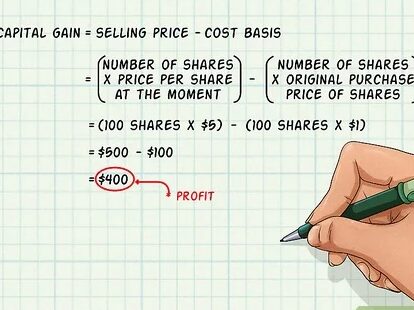
- Computation: To calculate your capital gains tax, subtract the property’s acquisition cost from the selling price and apply the 6% tax rate.
For individuals or entities involved in transactions subject to capital gains tax, it’s essential to comply with the necessary documentation and filing requirements to avoid penalties or legal issues. Consult with a tax professional or legal advisor for specific guidance tailored to your situation.
By familiarizing yourself with the ins and outs of capital gains tax in the Philippines, you can navigate transactions more confidently and ensure compliance with relevant regulations.
Understanding Capital Gains Tax Exemptions in the Philippines
When dealing with capital gains tax in the Philippines, it’s essential to understand the exemptions that may apply. Capital gains tax is imposed on the profit or gain from the sale or disposition of capital assets, such as real property or shares of stock, classified as capital assets. Here’s how you can navigate and comprehend the exemptions available:
1. Primary Residence Exemption: Homeowners in the Philippines are granted a one-time exemption on the sale of their primary residence. To qualify for this exemption, the property must have been used as the seller’s principal residence for a minimum of two years.
2. Sale of Real Property to the Government: If you sell real property to the government, such as land or a building, it may be exempt from capital gains tax. This exemption applies to transactions related to the implementation of agrarian reform or similar government programs.
3. Sale of Small Business Assets: Small business owners can benefit from an exemption on the sale of assets used in their trade or business, provided certain conditions are met. This exemption aims to support entrepreneurship and small business development in the country.
4. Retirement Benefit Exemption: Capital gains derived from retirement benefits, such as the sale of shares of stock by an individual who retires, are also exempt from capital gains tax. This exemption encourages individuals to save for retirement and enjoy the fruits of their labor without heavy tax implications.
Remember to consult with a tax professional or legal advisor to ensure you meet all the necessary requirements and properly claim any exemptions you may be eligible for. Understanding the capital gains tax exemptions in the Philippines can help you maximize your savings and comply with tax regulations effectively.
Understanding Property Sale Taxes in the Philippines: A Complete Guide
When selling a property in the Philippines, it’s crucial to understand the capital gains tax Philippines implications. This tax is imposed on gains from the sale of real property classified as capital assets. Here’s a complete guide to help you navigate through the process smoothly:
What is Capital Gains Tax?
Capital gains tax is a type of tax levied on the profit that an individual or entity makes from selling an asset. In the context of property sales in the Philippines, this tax is applicable to the gains realized from the sale of real property.
Calculating Capital Gains Tax
The formula for computing the capital gains tax in the Philippines is:
| Selling Price | |
|---|---|
| Less: Cost of Acquisition | |
| Capital Gains | |
| Capital Gains Tax Rate | |
| Capital Gains Tax Due |
Exemptions and Exclusions
It’s essential to note that not all property sales are subject to capital gains tax in the Philippines. Some transactions may be exempt or excluded based on specific conditions. Common exemptions include:
- Sales of principal residences
- Transfer of property between family members
- Expropriation of property by the government
Payment and Filing
Capital gains tax in the Philippines must be paid within 30 days after the notarization of the sale. The tax return (BIR Form 1706) should be filed with the Bureau of Internal Revenue (BIR) along with the required documents and proof of payment.
By understanding the ins and outs of capital gains tax in the Philippines, you can ensure a smooth property sale process while staying compliant with tax regulations.
Mastering Capital Gains: A Simple Guide to Calculating Your Profits
Calculating your profits from capital gains in the Philippines involves understanding the ins and outs of capital gains tax regulations. Here’s a simple guide to help you navigate this process smoothly.
Understanding Capital Gains Tax in the Philippines
In the Philippines, capital gains tax is imposed on the sale or exchange of real property classified as capital assets. The current rate stands at 6% based on the gross selling price or current fair market value, whichever is higher.
Calculation Method
To calculate your capital gains tax, follow this straightforward formula:
| Selling Price | xxx |
|---|---|
| Less: Acquisition Cost | xxx |
| Capital Gains | xxx |
| Capital Gains Tax Rate (6%) | xxx |
Key Considerations
- Ensure proper documentation of the sale transaction.
- Keep records of the acquisition cost and improvements made to the property.
- Consult with a tax professional for accurate calculation and compliance.
By mastering the calculation of your capital gains and understanding the applicable tax regulations in the Philippines, you can navigate the process confidently and ensure compliance with the law.
As we wrap up our discussion on capital gains tax in the Philippines, remember that staying informed and proactive is key to managing your tax obligations effectively. One final tip to keep in mind is to keep detailed records of your transactions and seek professional advice when needed to ensure compliance with tax laws.
Thank you for joining us in exploring the world of certificates, contracts, declarations, licenses, renewals, and tax issues. Your engagement and feedback are invaluable to us!
Remember, the information provided in this blog is for educational purposes only. Always consult with a tax professional or legal advisor to address your specific needs and circumstances.
We’d love to hear from you! Share your thoughts in the comments, spread the word by sharing this article on social media, or delve into other related topics on our blog. Stay tuned for more practical insights and tips!
If you found this article informative and engaging, be sure to visit our Other Taxes section for more insightful articles like this one. Whether you’re a seasoned enthusiast or just beginning to delve into the topic, there’s always something new to discover in auslegalhub.com. See you there!

