
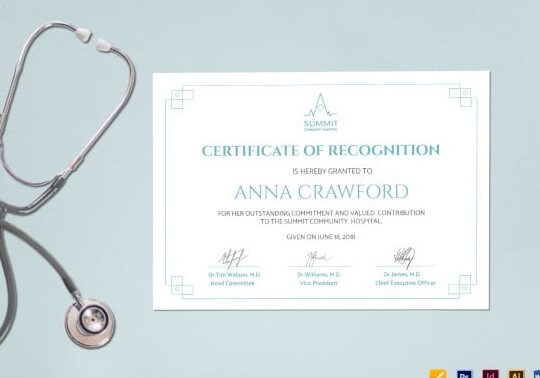
Are you in need of a doctor’s certificate to support your Centrelink claim or request? Understanding the process and requirements for obtaining a Centrelink doctor’s certificate is essential for ensuring your application is successful. In this article, we will guide you through the steps and information you need to know to obtain a Centrelink doctor’s certificate efficiently and effectively.
Complete Guide: Obtaining a Centrelink Doctor’s Certificate
Obtaining a Centrelink doctor’s certificate is an important process that many individuals may need to navigate. This certificate, also known as a medical certificate or doctor’s certificate, is often required by Centrelink to verify a person’s medical condition and their inability to work due to illness or injury.
Here is a complete guide to help you through the process of obtaining a Centrelink doctor’s certificate:
1. Schedule an Appointment with Your Doctor
The first step in obtaining a Centrelink doctor’s certificate is to schedule an appointment with your regular doctor or a medical professional. During the appointment, make sure to explain your medical condition and how it affects your ability to work.
2. Request a Centrelink Doctor’s Certificate
Ask your doctor to provide you with a Centrelink doctor’s certificate. This document should include important details such as your name, the date of the certificate, the duration of your medical condition, and any restrictions on your ability to work.
3. Submit the Certificate to Centrelink
Once you have received the Centrelink doctor’s certificate, you will need to submit it to Centrelink as soon as possible. This can usually be done online through your Centrelink account or by visiting a Centrelink office in person.
4. Follow Up as Needed
If Centrelink requires any additional information or documentation regarding your medical condition, be prepared to provide it promptly. It’s important to stay in communication with Centrelink to ensure that your benefits are processed efficiently.
By following these steps, you can successfully obtain a Centrelink doctor’s certificate to support your claim for benefits due to your medical condition. Remember to keep a copy of the certificate for your records and to ensure that your rights are protected throughout the process.
Unveiling the Need: Medical Certificates for Centrelink Benefits
When it comes to Centrelink doctors certificates, understanding the process and importance of obtaining a medical certificate is crucial for accessing Centrelink benefits. Whether you are applying for sickness allowance, disability support pension, or any other benefit, having the necessary documentation is essential to support your claim.
First and foremost, you need to make an appointment with a qualified medical practitioner. This could be your regular GP, a specialist, or a doctor at a medical clinic. During your visit, clearly explain your condition and how it affects your ability to work or participate in other activities. The doctor will then assess your situation and provide you with a Centrelink doctors certificate if they believe you are unable to work due to your health condition.
It’s important to note that the medical certificate should include specific details such as the date of the assessment, the duration of the illness or injury, any restrictions or limitations on your activities, and the doctor’s contact information for verification purposes.
Once you have obtained the Centrelink doctors certificate, you can submit it to Centrelink either in person at a service center, by mail, or online through your MyGov account. Make sure to keep a copy of the certificate for your records.
Remember, the validity of a Centrelink doctors certificate may vary depending on your circumstances. Some certificates are only valid for a certain period, while others may need to be updated regularly. Always check with Centrelink to ensure you are meeting the requirements for your specific benefit.
In conclusion, obtaining a Centrelink doctors certificate is a crucial step in accessing Centrelink benefits. By following the proper procedures and ensuring your documentation is accurate and up-to-date, you can help expedite the process and receive the support you need during challenging times.
Understanding Medical Certificates with Centrelink: Duration Explained
When dealing with medical certificates for Centrelink purposes, understanding the duration is crucial. Centrelink requires recipients to provide doctors certificates to support claims for certain benefits or allowances. These certificates play a significant role in determining eligibility and the duration of support provided.
Medical certificates from doctors are essential documents that provide evidence of an individual’s medical condition and their ability to work. They are often required for claiming benefits like sickness allowance or disability support pension. It’s important to note that the duration specified on a medical certificate can impact the duration of support provided by Centrelink.
Here are some key points to consider regarding the duration of medical certificates in relation to Centrelink:
- Medical Certificate Period: The duration of a medical certificate can vary based on the individual’s medical condition and the doctor’s assessment. It’s crucial to ensure that the certificate covers the period for which support is being claimed from Centrelink.
- Submission Timelines: Medical certificates must be submitted to Centrelink within the specified timeframe. Failure to provide timely updates or extensions to medical certificates can affect benefit payments.
- Review and Renewal: In cases where ongoing support is needed, it’s essential to review and renew medical certificates as required. This ensures that Centrelink has up-to-date information on the individual’s medical condition.
Overall, understanding the duration of medical certificates in the context of Centrelink is essential for maintaining eligibility for benefits and ensuring continuous support. By staying informed about the requirements and timelines associated with Centrelink doctors certificates, individuals can navigate the process more effectively and avoid disruptions in benefit payments.
Understanding Centrelink Medical Certificate: Serious Illness Categories
When it comes to understanding Centrelink Medical Certificates, it’s crucial to be aware of the serious illness categories that can impact your eligibility for certain benefits. Centrelink requires individuals to provide doctor’s certificates to support their claims for financial assistance due to illness or disability. These certificates, also known as medical certificates, play a significant role in determining the level of support individuals may receive from Centrelink.
Centrelink recognizes various serious illness categories that may affect an individual’s ability to work or participate in the workforce. It’s important to understand these categories to ensure that your Centrelink doctor’s certificate accurately reflects your medical condition and its impact on your daily life.
Here are some of the serious illness categories recognized by Centrelink:
- Cancer
- Cardiovascular disorders
- Chronic pain conditions
- Mental health disorders
- Neurological disorders
- Respiratory conditions
When obtaining a Centrelink medical certificate for a serious illness, it’s essential to provide detailed information about your condition and how it affects your ability to work. Your doctor should clearly outline the nature of your illness, any treatment you are undergoing, and the expected duration of your incapacity.
By ensuring that your doctor’s certificate accurately reflects your medical situation and its impact on your daily life, you can increase the likelihood of receiving the appropriate support from Centrelink. Remember to keep your medical certificates up to date and provide any additional documentation requested by Centrelink to support your claim.
Before we say goodbye, here’s a final tip for dealing with Centrelink and doctor’s certificates: Always keep copies of your certificates and any communication with Centrelink for your records. This simple step can save you time and hassle in the future.
Remember, the information provided in this blog is for guidance purposes only. Always consult with a professional in the field for personalized advice tailored to your specific situation.
We hope you found this article helpful! If you have any questions, tips to share, or want to suggest a topic for our next post, feel free to leave a comment below. Don’t forget to share this article on social media to help others facing similar challenges. Stay informed and empowered!
Thank you for reading and see you next time!
If you found this article informative and engaging, be sure to visit our Healthcare Certificates section for more insightful articles like this one. Whether you’re a seasoned enthusiast or just beginning to delve into the topic, there’s always something new to discover in auslegalhub.com. See you there!

