
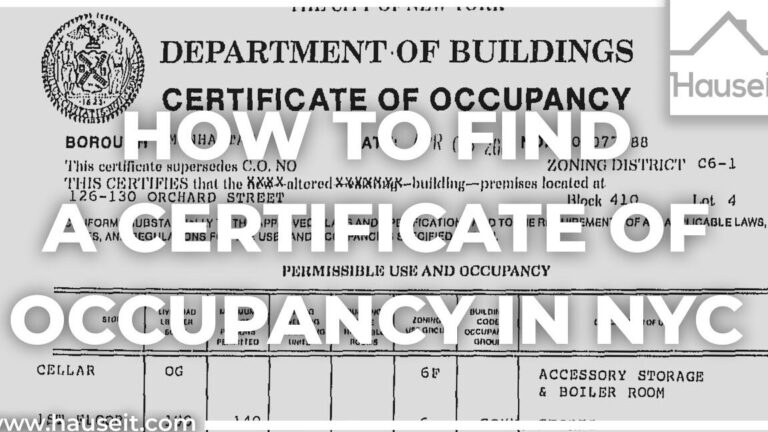
Welcome to our latest article where we will delve into the essential topic of certificate of occupancy. Whether you are a homeowner, a tenant, or a landlord, understanding what a certificate of occupancy is and why it matters is crucial for ensuring that your property is compliant with local regulations. Let’s explore the ins and outs of this important document and how it can impact your living or business space.
Demystifying Certificate of Occupancy in Australia: Your Essential Guide
Welcome to our guide on Certificate of Occupancy in Australia. If you are a property owner or planning to buy a property, understanding the Certificate of Occupancy (CO) is crucial. This document certifies that a building is safe to occupy and complies with relevant building codes and regulations. Here’s what you need to know:
What is a Certificate of Occupancy?
A Certificate of Occupancy is issued by the local government or relevant authority once a building is completed and deemed suitable for occupancy. It confirms that the property meets all necessary safety standards and building codes.
Why is a Certificate of Occupancy important?
Having a valid Certificate of Occupancy is essential when buying, selling, or renting a property. It ensures that the building is legally habitable and meets all requirements set by the authorities.
How to obtain a Certificate of Occupancy?
Obtaining a Certificate of Occupancy typically involves the following steps:
- Final inspection: The property is inspected to verify compliance with building codes.
- Submission of documents: Submit all necessary documents to the local authority.
- Approval: Once the property passes inspection, the Certificate of Occupancy is issued.
Renewal and compliance
It’s important to note that Certificates of Occupancy may need to be renewed periodically, especially for commercial properties. Ensure that your property remains compliant with regulations to avoid any issues.
By understanding the significance of a Certificate of Occupancy and following the necessary steps to obtain and maintain it, you can ensure a smooth property ownership experience in Australia.
Unlocking Your Path to Occupancy: Getting a Certificate in Victoria
When it comes to getting a certificate for occupancy in Victoria, there are essential steps you need to follow to ensure a smooth process. Here are some key points to consider:
1. Understand the Requirements: Before applying for a certificate of occupancy, make sure you understand the specific requirements set by the local authorities in Victoria. This may include building codes, safety regulations, and zoning laws.
2. Prepare the Necessary Documentation: Gather all the required documents, such as building plans, permits, and inspection reports, to support your application for the certificate of occupancy.
3. Schedule Inspections: Arrange for the necessary inspections to ensure that your property complies with all the regulations. This may include structural inspections, electrical inspections, and plumbing inspections.
4. Address Any Compliance Issues: If the inspections reveal any non-compliance issues, take the necessary steps to address them promptly. This may involve making repairs or adjustments to bring the property up to code.
5. Submit Your Application: Once you have met all the requirements and addressed any issues, submit your application for the certificate of occupancy to the relevant authority in Victoria. Be sure to include all the necessary documentation and fees.
6. Follow Up: After submitting your application, follow up with the authorities to track the progress of your application. This will help ensure that any potential delays are addressed promptly.
By following these steps and staying organized throughout the process, you can unlock your path to obtaining a certificate of occupancy in Victoria efficiently and effectively.
Unlocking the Process: Getting Your OC Certificate Made Easy
When it comes to obtaining your OC certificate (Occupancy Certificate), the process can seem daunting at first, but with the right guidance, it can be made easy. Here are some key steps to help you navigate the process smoothly:
1. Understand the Requirements:
Before starting the application process for your OC certificate, be sure to familiarize yourself with the specific requirements in your area. This may include building codes, safety regulations, and other compliance standards.
2. Prepare Necessary Documentation:
Gather all the required documents such as building plans, completion certificates, no-objection certificates (NOCs), and any other relevant paperwork. Organizing these documents will streamline the application process.
3. Submit Your Application:
Once you have all the necessary documentation in place, submit your application for the OC certificate to the appropriate authority. Be sure to double-check all forms and information to avoid delays.
4. Schedule Inspections:
After submitting your application, the authorities may schedule inspections to ensure that the property meets all the necessary requirements. Be prepared for these inspections and address any issues promptly.
5. Follow Up:
It’s important to follow up on your application periodically to track its progress. Stay in touch with the relevant authorities and address any additional requirements or queries they may have.
By following these steps and staying organized throughout the process, you can make obtaining your OC certificate a smooth and hassle-free experience. Remember, each step brings you closer to unlocking the process and achieving your goal of securing your OC certificate.
Selling Your House in Victoria: The Certificate of Occupancy Guide
When selling your house in Victoria, obtaining a Certificate of Occupancy is a crucial step in the process. This certificate, also known as a CO, is a document issued by the local government or relevant authority that confirms a building complies with all building codes and is safe for occupancy.
Here is a guide to help you navigate the Certificate of Occupancy process:
1. Understand the Importance of a Certificate of Occupancy
A Certificate of Occupancy is essential when selling your house as it ensures that the property meets all safety and habitability standards set by the local regulations. Without a valid CO, potential buyers may be hesitant to proceed with the purchase.
2. Check if You Need a Certificate of Occupancy
Not all properties require a Certificate of Occupancy in Victoria. Typically, new constructions, renovations, or change of use of a building will necessitate obtaining a CO. It’s important to check with your local council or a legal advisor to determine if your property requires this certificate.
3. Steps to Obtain a Certificate of Occupancy
Here are the general steps to follow to obtain a Certificate of Occupancy:
- Submit an application to the local building department.
- Arrange for an inspection of the property.
- Address any issues or violations noted during the inspection.
- Receive the Certificate of Occupancy upon successful inspection.
4. Renewing or Updating a Certificate of Occupancy
If you already have a Certificate of Occupancy but need to renew it or update it due to changes in the property, you will need to follow a similar process as obtaining a new CO. Contact your local building department for specific instructions on renewal or updates.
Remember, having a valid Certificate of Occupancy is not only a legal requirement but also provides assurance to potential buyers that your property meets all necessary standards. Ensure you have this document in place before listing your house for sale in Victoria.
Before you go, here’s a final tip for ensuring a smooth certificate of occupancy process: double-check all requirements and documentation before submitting your application to avoid delays or rejections. Your attention to detail can save you time and frustration in the long run.
Thank you for reading our blog on legal and regulatory aspects related to certificates, contracts, declarations, licenses, renewals, and tax issues. Remember, it’s always essential to consult with a professional in the field to address your specific needs and circumstances accurately.
We hope you found this article helpful! Feel free to leave a comment below with any questions or feedback. Don’t forget to share this post on social media to help others facing similar challenges. You can also explore our other related articles for more valuable insights and tips.
Stay informed, stay proactive, and stay compliant. See you next time!
If you found this article informative and engaging, be sure to visit our IT Certifications section for more insightful articles like this one. Whether you’re a seasoned enthusiast or just beginning to delve into the topic, there’s always something new to discover in auslegalhub.com. See you there!

