
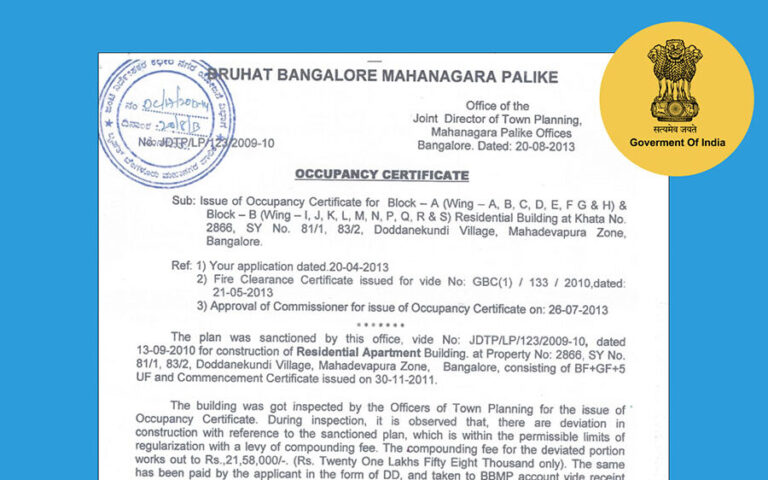
Welcome to our latest blog post where we will be diving into the important topic of the “certificate of final inspection.” This document plays a crucial role in ensuring compliance with regulations and standards, and we will explore its significance, requirements, and how to obtain it. Stay tuned for valuable insights and practical advice on this essential aspect of the certification process.
Unlocking the Final Inspection Certificate of Occupancy in QLD
To unlock the Final Inspection Certificate of Occupancy in Queensland (QLD), you must ensure all necessary requirements have been met. This certificate signifies that a building complies with all relevant building codes and standards, allowing it to be occupied. Here’s how you can navigate the process smoothly:
Steps to Unlock the Final Inspection Certificate of Occupancy:
- Complete all building works as per approved plans and permits.
- Schedule a final inspection with the building certifier.
- Address any issues identified during the inspection promptly.
- Submit any required documentation or certificates.
- Pay any outstanding fees or charges.
It’s crucial to stay organized and proactive throughout the process to avoid delays in obtaining your Final Inspection Certificate of Occupancy. Remember, compliance is key when it comes to navigating the regulatory landscape in QLD.
Unlocking the Benefits: Understanding Australian Certificate of Completion
Certificate of final inspection is a crucial document that signifies the completion of construction or renovation projects in Australia. Understanding the Australian Certificate of Completion is essential for unlocking its benefits. This certificate serves as evidence that the building work complies with relevant regulations and standards, ensuring the safety and quality of the structure.
When it comes to the certificate of final inspection, it is important to note that it is issued by authorized building surveyors or inspectors after a thorough assessment of the construction work. This document confirms that the building meets all necessary requirements and can be occupied or utilized for its intended purpose.
Here are some key points to keep in mind regarding the certificate of final inspection:
- Ensure all construction work is completed according to approved plans and specifications.
- Coordinate with building inspectors to schedule the final inspection.
- Address any outstanding issues or deficiencies identified during the inspection.
Obtaining the certificate of final inspection is a crucial step in the construction process, as it signifies legal compliance and adherence to building standards. Failure to secure this certificate can result in delays in occupancy or even legal consequences.
By understanding the significance of the Australian Certificate of Completion in the context of the certificate of final inspection, individuals and contractors can ensure a smooth and successful completion of their construction projects.
Decoding Final Occupation Certificates: Your Key to Legal Completion
When it comes to the final stages of a construction project, obtaining a certificate of final inspection is crucial for legal completion. This document, also known as a final occupation certificate, signifies that a building has been completed in accordance with all relevant laws and regulations. Deciphering this certificate is essential for ensuring that all requirements have been met before the property can be occupied or utilized.
Here are some key points to consider when decoding a certificate of final inspection:
- Verify the details: Check that all information on the certificate is accurate, including the property address, builder’s details, and any specific conditions or restrictions.
- Confirm compliance: Ensure that the construction complies with the approved plans, building codes, and zoning regulations. Any deviations could lead to legal issues in the future.
- Review endorsements: Look for any additional endorsements or special conditions attached to the certificate, such as inspections or tests that have been conducted.
It’s important to understand that the certificate of final inspection is not just a formality but a critical document that validates the legal completion of a building project. By carefully reviewing and interpreting this certificate, you can avoid potential pitfalls and ensure a smooth transition to the next phase of your property development.
Understanding the Basics of a CFI Building: Everything You Need to Know
To ensure a smooth process when dealing with a Certificate of Final Inspection (CFI) for a building, it’s crucial to understand the basics to avoid any complications. Below are key points you need to know:
What is a Certificate of Final Inspection?
A Certificate of Final Inspection (CFI) is an important document issued by the local building authority after a thorough inspection of a building project. It confirms that the construction work complies with all relevant laws, regulations, and building codes.
Why is a CFI Important?
Having a valid Certificate of Final Inspection (CFI) is essential when completing a building project. It signifies that the building meets all safety and quality standards, allowing for occupancy and actual use of the property.
Key Steps to Obtain a CFI:
- Complete all construction work according to approved plans and permits.
- Request an inspection from the local building authority.
- Address any issues identified during the inspection.
- Receive the final approval and the Certificate of Final Inspection (CFI).
Common Issues with CFIs:
Some common issues that may arise with a Certificate of Final Inspection (CFI) include:
- Missing documentation
- Non-compliance with building codes
- Outstanding fines or fees
Tips for a Smooth CFI Process:
- Keep all documentation organized and readily available.
- Ensure all work is completed to code before requesting an inspection.
- Address any issues promptly to expedite the process.
By understanding the importance of a Certificate of Final Inspection (CFI) and following the necessary steps, you can streamline the process and avoid delays in the completion of your building project.
Before closing, here’s a final tip for when dealing with a certificate of final inspection: Make sure to keep a copy of the certificate in a safe place where you can easily access it when needed. This document is crucial for proving that your property complies with all regulations and standards.
Thank you for reading our blog on legal and regulatory aspects related to certificates, contracts, declarations, licenses, renewals, and tax issues. We hope you found the information valuable and practical for your needs.
Remember, this blog serves as a guide, and you should always consult with a professional in the field when dealing with specific issues. Your feedback is important to us! Feel free to leave a comment below, share this article with others who may benefit from it, or explore our other related articles for more useful tips and insights.
Stay informed, stay compliant, and empower yourself with knowledge. Until next time!
If you found this article informative and engaging, be sure to visit our Construction Contracts section for more insightful articles like this one. Whether you’re a seasoned enthusiast or just beginning to delve into the topic, there’s always something new to discover in auslegalhub.com. See you there!

