
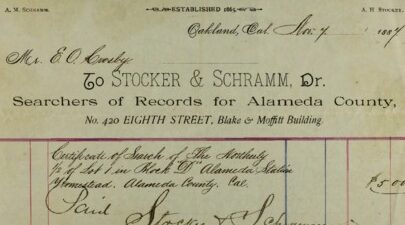
When it comes to owning property, having a clear and valid certificate of land title is essential. This document serves as proof of ownership and is crucial for various legal and financial transactions. Understanding the importance of a certificate of land title and knowing how to obtain, maintain, and update it can help property owners navigate the complexities of real estate ownership with confidence.
Guide to Obtaining Your NSW Certificate of Title Easily
If you are looking to obtain your NSW Certificate of Title for a property, it’s important to follow the right steps to ensure a smooth process. Here are some key points to consider when obtaining your certificate of land title in New South Wales:
1. Understand the Certificate of Title:
Before starting the process, it’s essential to understand what a Certificate of Title is. This document is an official record of who owns a property and provides details about the land boundaries, ownership, and any encumbrances.
2. Apply for a Copy:
To obtain a copy of your NSW Certificate of Title, you can apply online through the NSW Land Registry Services website. You will need to provide details such as the property address and your identification to complete the application.
3. Pay the Required Fees:
There are fees associated with obtaining a Certificate of Title, so make sure to check the current fee schedule on the NSW Land Registry Services website. Payments can usually be made online or through other accepted methods.
4. Verify Your Details:
Double-check all the information provided in your application to ensure accuracy. Any errors or discrepancies could lead to delays in receiving your Certificate of Title.
5. Keep Track of Your Application:
After submitting your application, keep track of its progress. You may receive updates or requests for additional information, so it’s important to stay informed throughout the process.
By following these steps and staying informed about the process, you can easily obtain your NSW Certificate of Title and have the necessary documentation for your property.
Unlocking the Process: Obtaining Your Original Title Certificate in Victoria
To obtain your original Title Certificate in Victoria, you need to follow a specific process. This certificate of land title is a crucial document that confirms your ownership of a property. Here’s a step-by-step guide on how to unlock the process:
Step 1: Application Form
Begin by obtaining the application form for the Title Certificate from the Land Titles Office or website. Fill out the form accurately with all the required information.
Step 2: Supporting Documents
Gather all necessary supporting documents such as proof of identity, property details, and any relevant contracts or declarations related to the property.
Step 3: Submission
Submit your completed application form along with the supporting documents to the Land Titles Office. Pay the required fee for processing the Title Certificate.
Step 4: Verification and Review
Once the Land Titles Office receives your application, they will verify the information provided and review the supporting documents. This process may take some time, so it’s important to be patient.
Step 5: Approval and Collection
If everything is in order, the Land Titles Office will approve your application. You will then be able to collect your original Title Certificate in person or have it mailed to your address.
Remember, the certificate of land title is a vital document that you should keep in a safe place. It’s proof of your ownership of the property, so make sure to store it securely and consider making copies for extra protection.
Understanding Costs: NSW Certificate of Title Fees
When it comes to dealing with a certificate of land title in New South Wales (NSW), understanding the associated costs, particularly the NSW Certificate of Title fees, is crucial. These fees are essential for ensuring the legal ownership of your property and should not be overlooked. Here’s a breakdown to help you navigate through this process:
NSW Certificate of Title Fees:
| Service | Fee |
|---|---|
| Request for a copy of a Certificate of Title | $15.00 |
| Replacement of a Certificate of Title | $177.00 |
| Conversion of a Certificate of Title to Electronic format | $177.00 |
It’s important to note that these fees may change, so it’s advisable to check the latest fee schedule on the NSW Land Registry Services website.
Tips for Managing Certificate of Title Fees:
- Plan ahead: Take into account the potential costs associated with obtaining or replacing a certificate of land title.
- Keep records: Maintain all receipts and documents related to NSW Certificate of Title fees for future reference.
- Stay informed: Regularly check for updates on fee changes or new regulations that may impact certificate of land title fees.
By understanding and preparing for the NSW Certificate of Title fees, you can ensure a smooth and efficient process when dealing with your property’s legal ownership documentation.
Your Guide to Obtaining a Title Certificate in Queensland
When it comes to obtaining a title certificate in Queensland, understanding the process is key to a successful transaction. A title certificate, also known as a certificate of land title, is a crucial document that confirms the ownership of a property, outlining details such as boundaries, ownership restrictions, and any registered interests on the land.
Here is a straightforward guide to help you through the process:
Steps to Obtain a Title Certificate:
- Prepare Required Documents: Gather necessary documents such as proof of identity, property details, and any relevant forms.
- Submit Application: Complete the application form for a title certificate and submit it to the Queensland Government’s land registry office.
- Pay Fees: Ensure to pay the required fees for processing the certificate application.
- Verification Process: The land registry will verify the information provided and conduct a search on the property.
- Issuance of Certificate: Upon successful verification, the title certificate will be issued to the applicant.
Important Points to Consider:
- Accuracy: Ensure all information provided in the application is accurate to avoid delays.
- Timelines: Be aware of the processing times for title certificates and plan accordingly.
- Legal Advice: Seek legal advice if you encounter any complexities or uncertainties in the process.
By following these steps and being mindful of the important points, you can navigate the process of obtaining a title certificate in Queensland smoothly. Remember, this certificate is a valuable document that validates your ownership of the property, so it’s essential to handle the process with care and attention to detail.
As a final tip on the topic of certificates of land title, always remember to keep your certificate in a safe and secure place, preferably in a fireproof box or safe. This document is crucial for proving your ownership of the property, so it’s essential to protect it from damage or loss.
Thank you for joining us in exploring the world of certificates, contracts, and legal documents. If you found this information helpful, feel free to leave a comment sharing your thoughts or questions. You can also share this article on your social media to help others facing similar issues. Don’t forget to check out our other related articles for more valuable insights.
Remember, while we strive to provide accurate and up-to-date information, it’s always best to consult with a professional in the field to address your specific concerns and needs.
Stay informed, stay empowered, and until next time!
If you found this article informative and engaging, be sure to visit our Property Tax section for more insightful articles like this one. Whether you’re a seasoned enthusiast or just beginning to delve into the topic, there’s always something new to discover in auslegalhub.com. See you there!

