
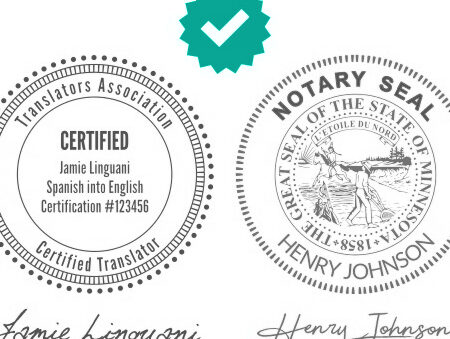
Are you a translator or interpreter looking to enhance your professional credentials and credibility in the industry? Certification can be the key to opening doors to new opportunities and demonstrating your expertise to potential clients. In this article, we will explore the importance of certification for translators and interpreters, the different types of certifications available, and how to navigate the certification process successfully. Let’s dive in and take your career to the next level!
Choosing the Best Interpreter Certification: A Practical Guide
When it comes to interpreter certification, choosing the right one is crucial for your career as a translator or interpreter. Here are some practical tips to guide you through the process:
1. Identify Your Goals:
Before selecting a certification program, consider your career goals. Are you looking to specialize in medical, legal, or conference interpreting? Different certifications cater to various specializations.
2. Research Accredited Programs:
Look for interpreter certification programs accredited by reputable organizations such as the American Translators Association (ATA) or the International Association of Conference Interpreters (AIIC). Accreditation ensures the program meets industry standards.
3. Check Language Combinations:
Ensure the certification program offers training in your specific language pair(s). Some programs may focus on common languages like English and Spanish, while others cater to less common language combinations.
4. Assess Exam Requirements:
Understand the exam format and requirements for each certification. Some exams may include written and oral components, while others focus solely on one aspect. Choose a certification that aligns with your strengths.
5. Consider Industry Recognition:
Opt for a certification that is recognized and respected in the industry. This recognition can enhance your credibility as a professional interpreter and open up more opportunities for work.
6. Evaluate Costs and Benefits:
Weigh the costs of obtaining the certification against the potential benefits it can bring to your career. Consider factors such as increased job opportunities, higher pay rates, and professional development.
By following these practical guidelines, you can navigate the process of selecting the best interpreter certification for your career aspirations. Remember to choose a certification that aligns with your goals, language proficiency, and industry recognition to boost your credibility and success in the field.
Becoming a Certified Interpreter in Australia: Your Step-by-Step Guide
If you are aiming to become a certified interpreter in Australia, there are specific steps you need to follow to achieve your goal. Here is a simplified guide to help you navigate through the process smoothly:
Step 1: Determine the Type of Certification
Before starting your journey, it is crucial to understand the different types of interpreter certifications available in Australia. The most recognized certifications include NAATI (National Accreditation Authority for Translators and Interpreters) certification and community interpreting certification.
Step 2: Meet the Requirements
Each certification has its own set of requirements that you need to fulfill. Typically, you will need to demonstrate your proficiency in both English and another language, as well as your knowledge of ethics and industry standards.
Step 3: Prepare for the Certification Exam
Once you have met the requirements, it is time to prepare for the certification exam. This may involve taking preparatory courses, practicing your interpreting skills, and familiarizing yourself with the exam format.
Step 4: Take the Exam
Schedule your certification exam with the relevant authority, such as NAATI. Make sure to arrive well-prepared and confident on the exam day. The exam will typically test your interpreting skills in various settings and scenarios.
Step 5: Maintain Your Certification
After passing the exam and becoming a certified interpreter, you will need to maintain your certification by fulfilling continuing education requirements and staying up-to-date with industry trends.
By following these steps diligently, you can work towards becoming a certified interpreter in Australia and open up new opportunities in the field of translation and interpretation.
Becoming a Translator: Essential Qualifications Explained
When it comes to certification for translators and interpreters, having the right qualifications is essential for a successful career in this field. Here are some key qualifications you should consider:
1. Language Proficiency:
First and foremost, as a translator or interpreter, you must have a strong command of at least two languages. Fluency in both the source and target languages is crucial to accurately convey the meaning of the original text.
2. Educational Background:
Many employers and clients look for translators and interpreters with a degree in languages, linguistics, translation, or a related field. A formal education can provide you with the necessary knowledge and skills to excel in this profession.
3. Certification:
Obtaining certification for translators and interpreters can help validate your expertise and attract more opportunities. Organizations like the American Translators Association (ATA) offer certification programs that assess your language proficiency and translation skills.
4. Specialization:
Consider specializing in a specific field such as legal, medical, technical, or literary translation. Having expertise in a particular area can make you more desirable to potential clients seeking specialized language services.
5. Experience:
Building experience through internships, volunteer work, or entry-level positions can help you gain practical skills and industry knowledge. Real-world experience is invaluable in the translation and interpretation field.
By focusing on these essential qualifications, you can position yourself as a qualified and competent translator and interpreter in today’s competitive market. Continuously honing your language skills and staying updated on industry trends can further enhance your career prospects.
Your Guide to Becoming a Translator & Interpreter: Steps to Success
When pursuing a career as a translator or interpreter, obtaining the necessary certification is crucial to showcase your skills and expertise in the field. Here’s a comprehensive guide to help you navigate the certification process successfully:
1. Research Certification Options:
Start by researching the different certification options available for translators and interpreters. Look into reputable organizations such as the American Translators Association (ATA), National Association of Judiciary Interpreters and Translators (NAJIT), or Chartered Institute of Linguists (CIOL) that offer recognized certifications.
2. Meet Eligibility Requirements:
Once you’ve identified a suitable certification program, make sure you meet the eligibility requirements. These may include educational qualifications, language proficiency tests, and professional experience.
3. Prepare for the Exam:
Prepare thoroughly for the certification exam by familiarizing yourself with the exam format, practicing sample questions, and honing your translation or interpretation skills. Consider joining study groups or taking preparatory courses to boost your chances of success.
4. Take the Exam:
On the day of the exam, arrive early, bring all necessary materials, and stay focused throughout the test. Manage your time effectively to complete all sections of the exam within the allocated time.
5. Maintain Certification:
After obtaining your certification, make sure to fulfill any requirements for maintaining it, such as earning continuing education credits or renewing your certification periodically. Stay updated on industry trends and advancements to enhance your professional skills.
By following these steps and dedicating time and effort to the certification process, you can set yourself on the path to a successful career as a certified translator or interpreter. Good luck!
As we conclude our discussion on certification for translators and interpreters, remember that obtaining the proper certifications can greatly enhance your credibility and open up new opportunities in the industry. One final tip to keep in mind is to regularly check for updates on certification requirements and consider pursuing additional certifications to stay competitive in the field.
Thank you for following our blog and staying informed on legal and regulatory aspects related to certifications, contracts, declarations, licenses, renewals, and tax issues. We value your engagement and invite you to share your thoughts or questions in the comments section below. Don’t forget to share this article on social media to help others stay informed!
Remember, while our blog provides valuable insights, always consult with a professional in the field to address your specific needs and circumstances.
If you found this article informative and engaging, be sure to visit our Other Certificates section for more insightful articles like this one. Whether you’re a seasoned enthusiast or just beginning to delve into the topic, there’s always something new to discover in auslegalhub.com. See you there!

