
Are you in need of guidance on understanding and obtaining a Chinese birth certificate? Look no further! In this article, we will provide you with a detailed overview and practical tips on navigating the process of acquiring a Chinese birth certificate sample. Whether you are applying for a visa, enrolling in school, or simply need to verify your identity, having a clear understanding of this essential document is crucial. Let’s dive in and demystify the world of Chinese birth certificates.
Do Chinese Citizens Need Birth Certificates? Essential Facts Explained
Chinese citizens are required to have a birth certificate as an essential document for various administrative and legal purposes. Here are some key points regarding this topic:
Importance of Birth Certificates for Chinese Citizens
A Chinese birth certificate serves as proof of identity, age, and citizenship. It is required for activities such as enrolling in school, obtaining a passport, getting married, and accessing social services.
Obtaining a Chinese Birth Certificate
Chinese citizens can obtain a birth certificate by registering the birth at the local civil affairs bureau. The process typically involves submitting necessary documents such as identification of parents, proof of birth, and any other required forms.
Sample of a Chinese Birth Certificate
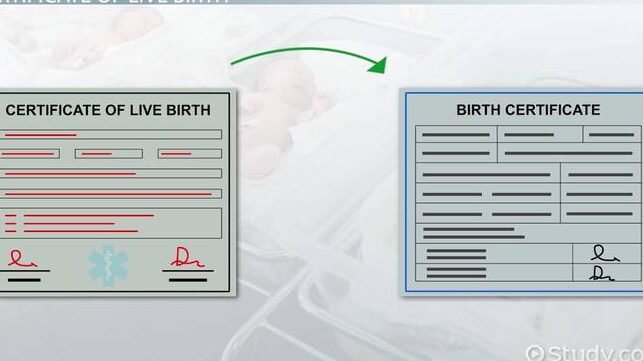
While specific details may vary, a typical Chinese birth certificate sample includes information such as:
- Name of the child
- Date and place of birth
- Parents’ names and identification
- Registration number
Having a birth certificate is crucial for all Chinese citizens to navigate various legal and administrative procedures smoothly. Make sure to keep this document safe and up to date.
The History of Birth Certificates in China: Origins and Evolution
In China, birth certificates have a rich history that dates back centuries, reflecting the country’s cultural and administrative practices. The evolution of Chinese birth certificates provides insight into the changing nature of record-keeping and identification methods in the country.
Initially, in ancient China, the concept of birth certificates was not as formalized as it is today. Birth records were often maintained by families or local authorities in the form of genealogical registers or household books, which documented important events such as births, deaths, and marriages within a family or community.
Over time, as administrative systems became more centralized, the issuance of official birth certificates became more standardized. During different dynasties, such as the Qing and Ming dynasties, various forms of identification and registration were implemented to keep track of the population and ensure social order.
Today, a Chinese birth certificate sample typically includes essential information such as the individual’s name, date of birth, place of birth, parent’s names, and registration number. This document plays a crucial role in establishing one’s identity, citizenship, and legal status in China.
When obtaining a Chinese birth certificate sample, individuals must follow the proper procedures set by the local Public Security Bureau or civil affairs department. It is essential to provide accurate information and supporting documents to facilitate the application process and ensure the authenticity of the certificate.
Furthermore, it is advisable to keep multiple copies of the birth certificate in a safe place and consider translating it into English or other languages if needed for international purposes. This can help avoid any complications or delays when using the certificate for various transactions or official matters.
In conclusion, the history of birth certificates in China highlights the importance of documentation and record-keeping in the country’s administrative system. By understanding the origins and evolution of Chinese birth certificates, individuals can navigate the process of obtaining and utilizing these vital documents more effectively.
Decoding Birth Certificates: Commemorative vs. Standard – Unraveling the Differences
When examining a Chinese birth certificate sample, it’s crucial to understand the differences between commemorative and standard certificates. Deciphering the content and purpose of each type is essential for various legal and administrative processes.
Main Differences Between Commemorative and Standard Chinese Birth Certificates:
| Aspect | Commemorative Certificate | Standard Certificate |
|---|---|---|
| Design | Fancier design, often used for display purposes | Simple and official design for legal and administrative use |
| Validity | Usually not accepted for official purposes | Accepted for legal and administrative procedures |
| Issuing Authority | Typically issued by private companies or organizations | Issued by government agencies |
When dealing with a Chinese birth certificate for official matters, always ensure you have the standard certificate as it is the only document accepted by government entities. The commemorative certificate may have sentimental value but holds no legal weight.
For any administrative or legal procedures requiring your birth certificate, such as applying for a passport, driver’s license, or marriage license, presenting the standard Chinese birth certificate is mandatory. It’s advisable to keep the original document safely stored and obtain certified copies for any official transactions.
Understanding the distinctions between the two types of certificates can save you time and prevent delays in your paperwork processing. Always double-check the type of certificate you possess before submitting it for any official use.
Registering a Birth in China: Timely Steps for Legal Compliance
When it comes to Registering a Birth in China, there are certain timely steps you should follow to ensure legal compliance. One crucial aspect of this process is obtaining a Chinese birth certificate sample, which serves as proof of the child’s birth and is necessary for various official transactions and procedures.
Here are the key steps you need to take to register a birth in China:
- 1. Visit the Local Public Security Bureau (PSB): The first step is to go to the nearest PSB office to register the birth. You will need to bring certain documents, including the child’s birth certificate from the hospital, the parents’ identification documents, and any other relevant paperwork.
- 2. Complete the Birth Registration Form: Fill out the required forms provided by the PSB accurately and submit them along with the supporting documents. Make sure all the information is correct to avoid any delays in the process.
- 3. Attend the Registration Interview: In some cases, you may need to attend an interview at the PSB to confirm the details of the birth and provide any additional information if required. Be prepared to answer questions about the birth and the parents’ identities.
- 4. Receive the Birth Certificate: Once the registration process is complete and approved, you will be issued a Chinese birth certificate sample. This document is essential for various purposes, such as enrolling the child in school, obtaining a passport, and accessing social services.
It is important to follow these steps promptly after the child’s birth to ensure timely registration and compliance with Chinese regulations. Failure to register the birth within the required timeframe may result in complications and delays in obtaining the necessary documentation.
By understanding the process of registering a birth in China and obtaining a Chinese birth certificate sample, you can navigate the legal requirements efficiently and ensure that you have the necessary documentation for your child’s future needs.
As we conclude our discussion on Chinese birth certificates, remember that it is crucial to keep this important document safe and readily accessible. Consider making digital copies and storing them securely to avoid any future issues or loss.
Thank you for joining us on this journey through the intricacies of legal documents. We hope you found the information valuable and practical for your needs.
Remember, if you have any questions or need further assistance, do not hesitate to consult with a legal professional. Your feedback is valuable to us, so feel free to leave a comment below, share this article with others who may benefit from it, or explore more related topics on our blog.
Stay informed, stay prepared, and stay empowered. Until next time!
If you found this article informative and engaging, be sure to visit our Other Certificates section for more insightful articles like this one. Whether you’re a seasoned enthusiast or just beginning to delve into the topic, there’s always something new to discover in auslegalhub.com. See you there!

