
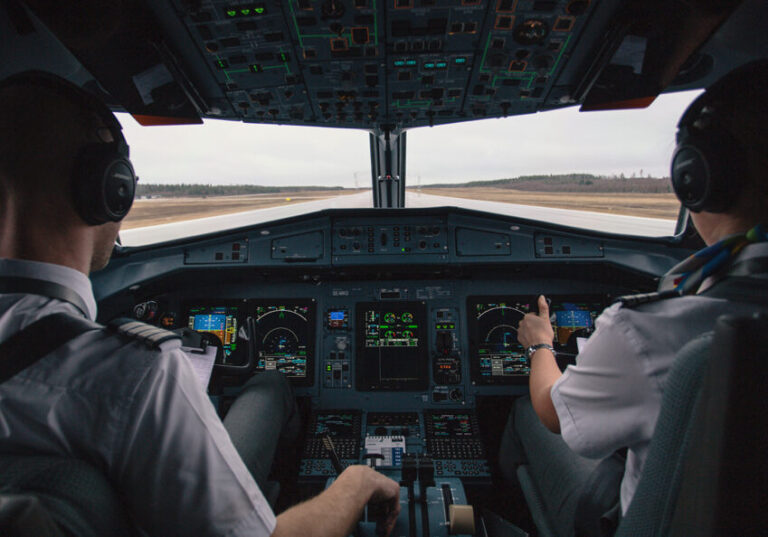
Welcome to our guide on obtaining a Commercial Pilot License in Australia! If you’re dreaming of soaring the skies and pursuing a career as a commercial pilot, you’ve come to the right place. In this article, we will walk you through the essential steps, requirements, and regulations you need to know to make your aviation aspirations a reality in Australia. Let’s take off on this exciting journey together!
Unlocking the Costs of a Commercial Pilot’s License in Australia
To obtain a Commercial Pilot’s License in Australia, aspiring pilots must be prepared for both the rigorous training required and the associated costs. Here’s a breakdown of the key elements to consider when unlocking the costs of pursuing this prestigious license:
1. Flight Training Fees:
Flight training is a significant component of obtaining a Commercial Pilot’s License. Flight schools charge hourly rates for aircraft rental and instructor fees. On average, students can expect to pay between $250-$350 per hour for a training aircraft and instructor.
2. Theory Examinations:
Before obtaining a Commercial Pilot’s License, candidates must pass a series of theory exams. These exams cover topics such as navigation, meteorology, and aviation law. Exam fees can range from $100 to $500 per exam, depending on the testing center.
3. Medical Examinations:
Commercial pilots must undergo regular medical examinations to ensure they meet the physical requirements for the job. These examinations can cost between $150 to $300 per assessment.
4. License Application and Processing Fees:
After completing the necessary training and examinations, pilots must apply for their Commercial Pilot’s License. The application fee is typically around $200, and additional processing fees may apply.
5. Additional Costs:
Other expenses to consider include study materials, uniform costs, accommodation (if training away from home), and transportation expenses to and from the flight school.
Overall, the total cost of obtaining a Commercial Pilot’s License in Australia can range from $50,000 to $80,000, depending on various factors such as the flight school chosen, the student’s aptitude, and the number of flight hours required to meet licensing standards.
Unlocking the Skies: Commercial Pilot License Timeline in Australia
Obtaining a commercial pilot license in Australia is a significant achievement that opens up a world of opportunities in the aviation industry. Understanding the timeline involved in acquiring this license is crucial for aspiring pilots. Here is a breakdown of the key steps and estimated timeframe for obtaining a commercial pilot license in Australia:
1. Initial Requirements (1-3 months)
Before starting your commercial pilot training, ensure you meet the initial requirements set by the Civil Aviation Safety Authority (CASA). These typically include:
- Being at least 18 years old
- Hold a private pilot license (PPL)
- Meet medical and English language proficiency standards
2. Flight Training (6-12 months)
Once you meet the initial requirements, you can begin your flight training at a CASA-approved flight school. The training period can vary but generally takes between 6 to 12 months to complete. During this phase, you will learn advanced flying techniques, navigation skills, and emergency procedures.
3. Theory Exams (3-6 months)
Alongside flight training, you will need to pass a series of theory exams covering subjects like aviation law, meteorology, and navigation. It typically takes 3 to 6 months to complete all the required exams successfully.
4. Gain Experience (1-2 years)
After completing your training and passing the exams, you will need to gain experience as a commercial pilot to qualify for the license. This experience period can take 1 to 2 years and involves accumulating a minimum number of flight hours, often around 1500 hours.
5. License Application (1-3 months)
Once you meet all the requirements, including flight hours and experience, you can apply for your commercial pilot license through CASA. The application process typically takes 1 to 3 months for approval.
By following this timeline and diligently completing each step, you can successfully unlock the skies with your commercial pilot license in Australia. Remember, the journey to becoming a commercial pilot requires dedication, hard work, and a passion for aviation.
Unlocking the Sky: Commercial Pilot Salaries in Australia Revealed
When it comes to pursuing a career as a commercial pilot in Australia, understanding the potential salaries is crucial for making informed decisions. Securing a commercial pilot license in Australia is a significant step towards entering this exciting field. Let’s delve into the expected earnings for commercial pilots down under.
Commercial Pilot Salaries in Australia:
As of 2021, the average annual salary for commercial pilots in Australia is approximately $102,000. However, several factors can influence this figure, such as experience level, type of aircraft flown, and the employer. Here is a breakdown of potential salary ranges based on experience:
| Experience Level | Average Salary |
|---|---|
| Entry-Level | $60,000 – $80,000 |
| Mid-Level | $80,000 – $120,000 |
| Senior-Level | Above $120,000 |
It’s essential to note that salaries can vary based on the region in Australia, with major cities often offering higher pay rates compared to regional areas.
Tips for Maximizing Your Earnings as a Commercial Pilot:
- Continuous Training: Stay updated with the latest certifications and training to enhance your skills and marketability.
- Network: Build strong connections within the aviation industry to access better job opportunities.
- Consider Specializations: Pursuing specialized training, such as becoming a flight instructor or a charter pilot, can lead to higher salaries.
- Contract Negotiation: When considering job offers, don’t hesitate to negotiate for better pay and benefits.
By being proactive and strategic in your career development, you can work towards achieving a lucrative income as a commercial pilot in Australia. Remember, dedication and continuous learning are key to unlocking the full potential of your earning capacity in this dynamic field.
Unlocking Success: How Long is the CPL Course in Australia?
The Commercial Pilot License (CPL) course duration in Australia typically ranges from 6 to 18 months, depending on various factors such as the flight school’s program structure, student’s availability, weather conditions, and individual learning pace. It’s essential to consider these aspects when planning to pursue a CPL in Australia.
Here are some key points to keep in mind regarding the CPL course duration:
- Flight Training Hours: The Civil Aviation Safety Authority (CASA) requires a minimum of 150 flight training hours for CPL. This includes both dual and solo flight hours.
- Ground Theory: In addition to flight hours, students must complete ground theory classes covering subjects like navigation, meteorology, aerodynamics, and air law.
- Practical Experience: Practical experience is crucial for CPL candidates. It’s recommended to dedicate sufficient time to practice flying skills and gain hands-on experience.
When enrolling in a CPL course, it’s advisable to inquire about the specific duration and structure of the program offered by the flight school. Additionally, staying committed to the training schedule and being proactive in your learning process can help expedite the completion of the course.
Remember, obtaining a Commercial Pilot License in Australia is a rewarding but challenging journey that requires dedication, hard work, and perseverance. By staying focused and actively engaging in the training process, you can unlock success in your aviation career.
As a final tip for obtaining a commercial pilot license in Australia, remember that persistence and dedication are key. Stay focused on your goal, keep up with your training, and don’t be afraid to ask questions along the way. It’s a challenging journey, but the rewards of becoming a commercial pilot are truly worth it.
Thank you for reading our blog and we hope you found the information helpful. If you have any questions or would like to share your own experiences, feel free to leave a comment below. Don’t forget to share this article on social media to help others who might benefit from this information. And remember, always consult with a professional in the field for personalized advice and guidance.
Safe travels, and best of luck on your path to earning your commercial pilot license!
If you found this article informative and engaging, be sure to visit our General section for more insightful articles like this one. Whether you’re a seasoned enthusiast or just beginning to delve into the topic, there’s always something new to discover in auslegalhub.com. See you there!

