
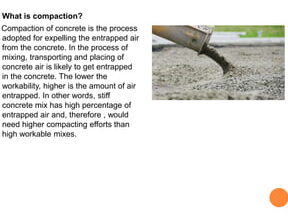
When it comes to construction projects, ensuring compliance with regulations and standards is crucial. One important aspect that often arises is the need for a compaction certificate. This document certifies that the soil has been properly compacted to support the structures being built, ensuring their safety and stability. In this article, we will explore what compaction certificates are, why they are important, and how to obtain one for your project.
Demystifying Australian Compaction Standards: A Practical Guide
When it comes to obtaining a compaction certificate in Australia, understanding the compaction standards is crucial. The certificate serves as proof that the soil has been properly compacted to meet the required specifications for construction projects. To demystify this process, follow this practical guide:
1. Know the Standards: Familiarize yourself with the Australian compaction standards, such as AS 1289 and AS 3798, which outline the requirements for soil compaction.
2. Engage a Qualified Engineer: Work with a qualified geotechnical engineer who can conduct the necessary tests and assessments to ensure compliance with the standards.
3. Conduct Testing: The engineer will perform tests such as the Proctor compaction test to determine the optimal moisture content and maximum dry density of the soil.
4. Document Results: Keep detailed records of the testing results, including the test methods used, equipment calibration, and site conditions.
5. Apply for the Certificate: Once the soil has been compacted according to the standards, the engineer can issue a compaction certificate confirming compliance.
6. Maintain Compliance: Regularly monitor and maintain the compacted soil to ensure it continues to meet the required standards throughout the construction process.
By following these steps and working closely with a qualified professional, you can navigate the process of obtaining a compaction certificate with confidence.
Demystifying Compaction Reports: What You Need to Know
When it comes to compaction reports and certificates, it’s essential to understand the key aspects to ensure compliance and avoid any setbacks. Compaction certificates play a crucial role in construction projects to confirm that the soil has been properly compacted to support the intended structures. Here’s what you need to know to demystify compaction reports:
Importance of Compaction Certificates
Compaction certificates are vital documents that demonstrate the quality of soil compaction at a construction site. They ensure that the soil can bear the weight of the building or infrastructure without settling or shifting over time. Without a valid compaction certificate, you may encounter regulatory issues or even structural problems in the future.
Key Elements of a Compaction Report
When reviewing a compaction report, pay close attention to the following key elements:
- Compaction Test Results: Verify that the test results meet the required standards.
- Location and Depth: Ensure that the compaction tests were conducted at the correct locations and depths.
- Equipment Calibration: Confirm that the testing equipment was properly calibrated for accurate results.
Common Issues with Compaction Certificates
Some common issues that may arise with compaction certificates include:
| Issue | Resolution |
|---|---|
| Incorrect Test Procedures | Ensure that tests are conducted according to industry standards. |
| Missing Documentation | Request any missing documentation from the testing agency. |
Ensuring Compliance
To ensure compliance with compaction requirements, follow these steps:
- Engage a reputable testing agency to conduct compaction tests.
- Review the compaction report thoroughly for accuracy.
- Keep the compaction certificate in a safe and easily accessible place for future reference.
By understanding the importance of compaction certificates and being aware of key aspects to look out for, you can navigate the process with confidence and ensure the success of your construction project.
Unlocking the Importance of 95% Compaction: A Practical Guide
Compaction certificate is a crucial document that validates the proper compaction of soil or material at a construction site. Achieving 95% compaction is often a standard requirement to ensure the stability and durability of structures. Understanding the significance of this level of compaction is essential for successful construction projects.
Here are some practical tips to unlock the importance of 95% compaction in the context of a compaction certificate:
- Thorough Testing: Ensure that the soil or material is thoroughly tested to determine its compaction properties before beginning the compaction process.
- Proper Equipment: Use appropriate compaction equipment such as compactors or rollers that are suitable for achieving 95% compaction.
- Layer-by-Layer: Compact the material in layers, ensuring that each layer reaches the required compaction level before adding the next one.
- Moisture Content: Monitor the moisture content of the material as it can significantly impact the compaction process. Adjust the moisture content as needed to achieve optimal compaction.
- Quality Control: Implement a robust quality control process to regularly test and verify the compaction levels throughout the project.
By following these practical guidelines, you can ensure that the compaction certificate reflects the proper compaction of soil or material at your construction site, meeting the necessary standards for structural integrity and stability.
Demystifying the Standard Compaction Test: Your Ultimate Guide
When it comes to obtaining a compaction certificate, understanding the Standard Compaction Test is crucial. This test is essential for assessing the compaction characteristics of soil and ensuring it meets the required standards for construction projects. Here’s your ultimate guide to demystifying the Standard Compaction Test and obtaining your compaction certificate smoothly.
What is the Standard Compaction Test?
The Standard Compaction Test, also known as the Proctor Test, is a method used to determine the optimal moisture content at which soil can be compacted to achieve maximum dry density. This test is vital in construction to ensure the stability and durability of structures built on the soil.
Steps to Obtain a Compaction Certificate:
- Prepare the testing equipment, including the compaction hammer and mold.
- Collect soil samples from the site at various depths.
- Conduct the Standard Compaction Test following ASTM guidelines or other relevant standards.
- Record the test results, including dry density and moisture content.
- Compare the results with project specifications to ensure compliance.
- Submit the test results to the relevant authority to obtain your compaction certificate.
Tips for a Successful Standard Compaction Test:
- Ensure the soil sample is representative of the site conditions.
- Calibrate the testing equipment before conducting the test.
- Perform the test in a controlled environment to minimize external factors.
- Repeat the test if results are inconsistent to ensure accuracy.
By following these guidelines and understanding the Standard Compaction Test, you can streamline the process of obtaining your compaction certificate and ensure the quality and stability of your construction projects.
Before we wrap up, here’s a final tip for you regarding compaction certificates: always keep a digital and physical copy of your certificate in a safe place for easy access when needed. This way, you can quickly provide it whenever required, saving you time and potential headaches in the future.
Thank you for reading our blog on legal and regulatory matters related to certificates, contracts, declarations, licenses, renewals, and tax issues. Your support means a lot to us!
Remember, the information shared here is for guidance purposes only. Always consult with a professional in the specific field for personalized advice tailored to your situation.
We would love to hear from you! Leave a comment below sharing your thoughts or questions on this topic. Feel free to share this article on your social media to help others facing similar challenges. And don’t forget to explore our other related articles for more valuable insights.
Stay informed, stay empowered, and keep navigating the complexities with confidence. See you soon!
If you found this article informative and engaging, be sure to visit our IT Certifications section for more insightful articles like this one. Whether you’re a seasoned enthusiast or just beginning to delve into the topic, there’s always something new to discover in auslegalhub.com. See you there!

