
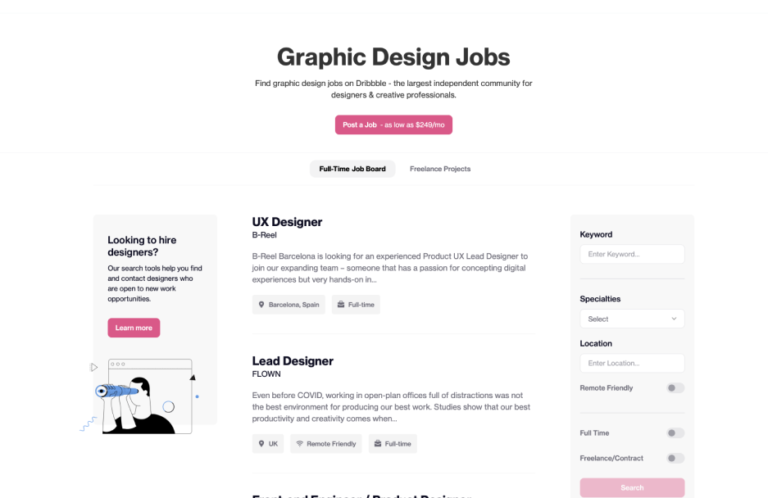
Are you a talented UX designer looking for new opportunities to showcase your skills and creativity? Contract UX designer jobs could be the perfect fit for you! In this article, we will explore the world of contract UX design positions, discussing the benefits, challenges, and how to land your dream job in this dynamic and exciting field. Let’s dive in and discover the world of contract UX designer jobs together!
Becoming a Contract UX Designer: Your Step-by-Step Guide
When aiming to become a contract UX designer, there are specific steps you can take to navigate this career path successfully. Here’s a concise guide to help you on your journey:
1. Education and Skills:
Start by obtaining a degree in a relevant field such as UX design, graphic design, or computer science. Acquire skills in user research, wireframing, prototyping tools, and usability testing.
2. Build Your Portfolio:
Create a strong portfolio showcasing your UX design projects. Highlight your problem-solving skills, creativity, and ability to create intuitive user experiences.
3. Gain Experience:
Seek internships or freelance projects to gain practical experience. This will not only enhance your skills but also help you build a network in the industry.
4. Network:
Attend UX design events, join online communities, and network with professionals in the field. This can open up opportunities for contract positions.
5. Market Yourself:
Create a professional resume and LinkedIn profile highlighting your skills and experience. Tailor your application for contract UX designer jobs to showcase your fit for the role.
6. Stay Updated:
Keep abreast of the latest trends and tools in UX design. Continuous learning and updating your skills will make you more competitive in the job market.
By following these steps and staying proactive in your job search, you can work towards securing rewarding contract UX designer positions. Remember to demonstrate your passion for UX design and your ability to create seamless user experiences in every opportunity that comes your way.
Becoming a Freelance UX Designer: Your Ultimate Guide
If you are considering contract UX designer jobs, there are a few key aspects to keep in mind to ensure a successful freelance career in this field. Here are some practical tips to guide you through the process:
1. Develop a Strong Portfolio:
As a contract UX designer, your portfolio is your most powerful tool. Showcase your best work, highlighting a diverse range of projects that demonstrate your skills and expertise in user experience design.
2. Network and Build Relationships:
Networking is crucial in the freelance world. Attend industry events, connect with other professionals in the field, and make use of online platforms to expand your network. Building relationships can lead to valuable opportunities for contract UX designer jobs.
3. Understand Contracts and Agreements:
Before accepting any contract UX designer job, make sure you fully understand the terms of the contract and agreement. Pay attention to payment terms, project scope, deadlines, and any intellectual property rights involved.
4. Stay Updated on Industry Trends:
Continuous learning is essential in the fast-paced world of UX design. Stay updated on the latest trends, tools, and technologies to remain competitive in the market for contract UX designer jobs.
5. Manage Finances Efficiently:
As a freelance UX designer, you are responsible for managing your finances. Keep track of your income, expenses, and taxes to ensure financial stability and compliance with regulatory requirements.
By following these practical tips, you can navigate the world of contract UX designer jobs with confidence and maximize your success as a freelance professional in the field of user experience design.
Unlock Your Earning Potential: Guide for Freelance UX Designers
When it comes to contract UX designer jobs, unlocking your earning potential as a freelance professional requires a strategic approach. Understanding the ins and outs of contracts is crucial for safeguarding your income and ensuring a successful working relationship with clients. Here are some key tips to guide you through this process:
1. Clear and Detailed Contracts
Ensure that your contracts are clear, detailed, and outline all project expectations, deliverables, timelines, and payment terms. Use HTML tags to highlight important sections and make sure both parties agree to the terms before starting any work.
2. Include Payment Terms
Specify your contract UX designer job rate, payment schedule, and any additional fees for revisions or rush projects. Clearly state how and when you expect to be paid to avoid any misunderstandings down the line.
3. Intellectual Property Rights
Address ownership of work and intellectual property rights in your contracts. Clarify who retains the rights to the final deliverables and whether you can showcase the project in your portfolio.
4. Renewal and Termination Clauses
Include clauses for contract renewal, termination conditions, and any penalties for early contract termination. Having these terms in place protects both you and the client in case circumstances change.
5. Legal Compliance
Ensure your contracts comply with local regulations and laws regarding freelance work. This includes tax obligations, licensing requirements, and any other legal considerations specific to contract UX designer jobs in your area.
By following these guidelines and creating well-structured contracts, freelance UX designers can maximize their earning potential, protect their rights, and establish strong working relationships with clients in the competitive field of UX design.
Unlocking the Demand: The Rise of UX Designers in Today’s Market
Contract UX designer jobs are in high demand in today’s market as companies increasingly prioritize user experience to stay competitive. As the digital landscape evolves, the need for skilled professionals who can create seamless and engaging user interfaces has skyrocketed. If you are considering a career in UX design, entering the contract market can offer diverse opportunities for growth and development.
When looking for contract UX designer jobs, it’s essential to understand the nature of these positions. Contract roles typically involve working on specific projects for a defined period, offering flexibility and exposure to various industries and design challenges. To succeed in this dynamic field, consider the following tips:
- Develop a strong portfolio: Showcase your best work to demonstrate your design skills and experience.
- Stay updated on industry trends: Keep abreast of the latest UX design tools and technologies to remain competitive.
- Network with professionals: Connect with other UX designers and potential clients to explore job opportunities.
- Enhance your skills: Continuously improve your design capabilities through courses, workshops, and self-learning.
As a contract UX designer, it’s crucial to negotiate clear contracts with clients to avoid misunderstandings and ensure fair compensation. Clearly outline project scope, deliverables, timelines, and payment terms to establish a mutually beneficial agreement. Additionally, consider incorporating clauses related to intellectual property rights and confidentiality to protect your work and client information.
Furthermore, staying organized and meeting deadlines are essential to building a positive reputation in the contract UX design field. By delivering high-quality work consistently and fostering strong client relationships, you can secure repeat business and referrals, expanding your opportunities in the competitive job market.
In conclusion, the demand for contract UX designer jobs continues to rise, offering exciting prospects for professionals in the field. By honing your skills, cultivating a strong portfolio, and effectively managing client relationships, you can thrive in this fast-paced and rewarding industry.
Before you embark on your journey to secure that dream contract UX designer job, remember that preparation is key. Research the company, tailor your portfolio, and practice your pitch. And most importantly, believe in yourself and your abilities. Good luck!
Thank you for reading our blog on legal, regulatory, and practical aspects related to certificates, contracts, declarations, licenses, renewals, and tax issues. We hope you found this information valuable and practical.
Remember, this blog is for informational purposes only. For specific legal advice or guidance on contracts and job-related matters, always consult with a professional in the field.
Feel free to leave a comment sharing your thoughts or experiences, share this article with your network, or explore other related articles on our blog. Your engagement and feedback help us create content that is relevant and helpful to you. We look forward to hearing from you!
If you found this article informative and engaging, be sure to visit our Other Contracts section for more insightful articles like this one. Whether you’re a seasoned enthusiast or just beginning to delve into the topic, there’s always something new to discover in auslegalhub.com. See you there!

