
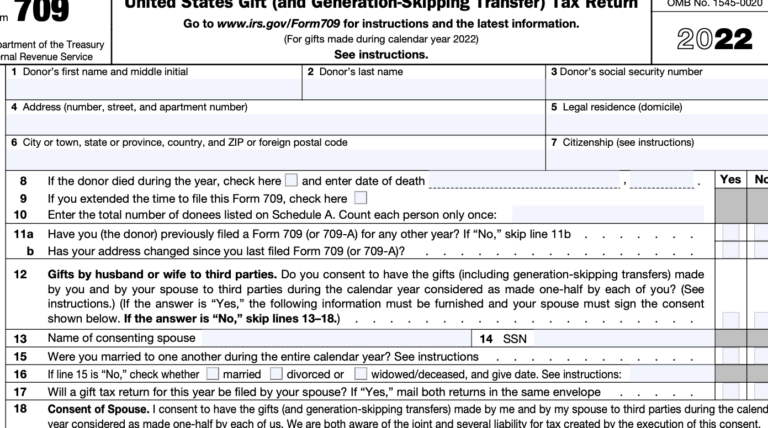
When a loved one passes away, dealing with the practical and legal aspects of their estate can be overwhelming. One important task that must be addressed is filing a deceased tax return on behalf of the deceased individual. Understanding the process and requirements for filing taxes on behalf of a deceased person is crucial to ensure compliance with the law and to avoid any potential issues with tax authorities. In this article, we will explore the key aspects of filing a deceased tax return and provide guidance on how to navigate this important responsibility.
Filing Taxes for the Deceased: What You Need to Know
When it comes to filing taxes for the deceased, there are important considerations to keep in mind to ensure a smooth process. Understanding the necessary steps and requirements can help you fulfill your obligations and avoid any complications.
First and foremost, it’s essential to determine who is responsible for handling the deceased individual’s tax affairs. Typically, the executor or personal representative of the estate takes on this role. They will be in charge of filing the final tax return on behalf of the deceased.
Here are the key points to consider when filing taxes for the deceased:
- Gather Information: Collect all relevant financial documents, including income statements, investment accounts, and any relevant tax forms.
- Obtain a Tax ID: In order to file taxes for the deceased, you will need to obtain an Estate Tax Identification Number (EIN) from the IRS.
- File the Final Return: The final tax return of the deceased should cover the period from January 1 of the year of death until the date of passing.
- Claim Deductions and Credits: Make sure to take advantage of any applicable deductions and credits to minimize tax liability.
- Pay any Taxes Owed: If the deceased individual owes taxes, those must be paid from the estate before any distributions are made to beneficiaries.
It’s important to handle deceased tax return matters with care and attention to detail to avoid potential issues with the IRS. If you’re unsure about the process or require assistance, consider consulting with a tax professional or legal advisor to ensure everything is handled correctly.
Understanding ATO Procedures After a Loved One Passes Away
When a loved one passes away, it’s essential to understand the Australian Taxation Office (ATO) procedures regarding their tax affairs. Dealing with a deceased tax return involves several steps to ensure compliance and manage the deceased person’s tax obligations properly.
Here’s a brief guide to help you navigate the process smoothly:
1. Notify the ATO
Deceased tax return obligations begin with informing the ATO of the individual’s passing. You can do this by completing the online notification form on the ATO website or by contacting them directly. Make sure to provide all necessary details, including the deceased person’s tax file number (TFN) and date of death.
2. Lodge the Final Tax Return
Next, you must lodge the deceased person’s final tax return. This return covers the period from the beginning of the financial year to the date of their passing. Ensure all income, deductions, and offsets are accurately reported to avoid any issues with the ATO.
3. Manage Tax Debts and Refunds
If the deceased person has any outstanding tax debts, these will need to be addressed from their estate. Conversely, if they are entitled to a tax refund, this can be claimed on their behalf as part of the final tax return process.
4. Consider Seeking Professional Advice
Dealing with a deceased tax return can be complex, especially if the individual had diverse financial affairs. Consider seeking advice from a tax professional or accountant to ensure everything is handled correctly and in compliance with ATO regulations.
By following these steps and staying informed about deceased tax return requirements, you can navigate the process effectively and fulfill your obligations responsibly.
Demystifying the 2-Year Rule for Deceased Estates: A Practical Guide
When dealing with deceased tax returns, understanding the 2-year rule for deceased estates is crucial. This rule determines the period in which a deceased person’s estate can be administered without incurring additional taxes. Here is a practical guide to demystify this rule and help you navigate through the process smoothly:
Key Steps to Follow:
- Estate Identification: Identify the deceased person’s assets and liabilities.
- Appoint an Executor: Appoint a legal representative to handle the estate.
- Notify Authorities: Notify the relevant tax authorities about the death.
- Commence Probate: Initiate the probate process if required by law.
- File Tax Returns: Prepare and file the deceased person’s final tax returns.
Understanding the 2-Year Rule:
The 2-year rule for deceased estates allows for the administration of the estate for up to two years without incurring additional taxes. During this period, the estate can be distributed to the beneficiaries without facing tax penalties.
Exceptions to the Rule:
There are exceptions to the 2-year rule that may require immediate action, such as selling assets that are subject to depreciation or generating income. In such cases, seeking professional advice is recommended to avoid tax implications.
Final Thoughts:
Dealing with deceased tax returns can be complex, but understanding the 2-year rule for deceased estates is essential for a smooth administration process. By following the key steps and seeking guidance when needed, you can ensure compliance with tax regulations and minimize potential financial risks.
Demystifying Estate Tax: Who Foots the Bill?
When dealing with the complex matter of a deceased tax return, understanding the ins and outs of estate tax is crucial. Estate tax is a levy on the transfer of the estate of a deceased person. It is vital to determine who is responsible for paying this tax, as it can have significant financial implications for the heirs and beneficiaries.
In general, the estate itself is responsible for paying the estate tax. The tax is typically calculated based on the total value of the estate at the time of the decedent’s death. Executors or administrators of the estate are usually in charge of ensuring the tax is paid from the estate’s assets before distributing the remaining assets to the heirs.
Here are some key points to consider when it comes to estate tax and the deceased tax return:
- Estate Tax Threshold: The estate tax threshold is the value up to which an estate can be exempt from paying estate tax. For example, in the United States, estates below a certain threshold are not subject to federal estate tax.
- Valuation of Estate: Properly valuing the assets in the estate is essential for calculating the estate tax. This may include real estate, investments, bank accounts, and personal belongings.
- Tax Return Filing: An estate tax return may need to be filed with the tax authorities depending on the value of the estate. It is advisable to consult with a tax professional or attorney to ensure compliance with all legal requirements.
- Payment of Estate Tax: The estate tax is typically due within a certain timeframe after the date of death. It is important to make arrangements to pay the tax to avoid penalties and interest.
By understanding the responsibilities and processes involved in estate tax and deceased tax returns, you can navigate this complex area more effectively. Seeking professional advice and staying organized with the necessary documentation are key steps in ensuring compliance and mitigating any potential issues related to estate tax obligations.
As we conclude our discussion on deceased tax returns, remember that timely and accurate filing is crucial to avoid any potential issues with the IRS. One final tip is to keep detailed records of all financial transactions and consult with a tax professional to ensure compliance with all regulations and requirements.
Thank you for joining us on this informative journey into the world of taxes and legal matters. Your engagement and interest are highly appreciated. Remember, your feedback is valuable to us, so feel free to leave a comment sharing your thoughts or questions. You can also share this article on social media to help others facing similar challenges. And don’t forget to explore our other related articles for more insightful content.
Remember, while we strive to provide accurate and helpful information, it’s always wise to consult with a professional in the field for personalized guidance tailored to your specific situation. Your peace of mind is worth the investment in expert advice. Stay informed, stay proactive, and stay compliant!
If you found this article informative and engaging, be sure to visit our Income Tax section for more insightful articles like this one. Whether you’re a seasoned enthusiast or just beginning to delve into the topic, there’s always something new to discover in auslegalhub.com. See you there!

