
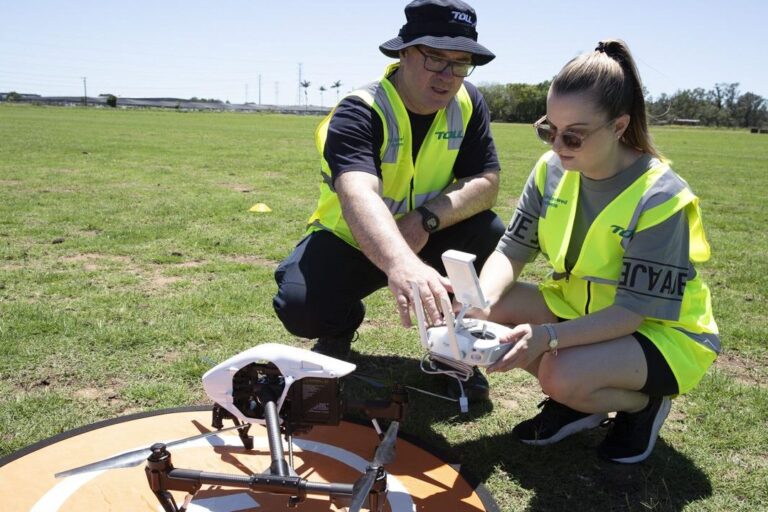
Operating drones in Australia requires certification to ensure compliance with regulations and safety standards. Understanding the process of obtaining drone certification in Australia is crucial for enthusiasts and professionals alike. In this article, we will explore the key steps and requirements for obtaining drone certification in Australia, providing you with the necessary guidance to navigate the regulatory landscape effectively.
Unlocking the Cost: Getting Your Drone Licence in Australia
Obtaining your drone licence in Australia involves a specific process that includes costs to consider. To successfully navigate the requirements for drone certification in Australia, it’s essential to be aware of the associated expenses and how to manage them efficiently.
Here are some key points to keep in mind when unlocking the cost of getting your drone licence in Australia:
1. Training Costs
Before applying for a drone licence, individuals must complete a Remote Pilot Licence (RePL) course with a certified training organization. The cost of this training can vary but typically ranges from $1,500 to $3,000, depending on the training provider and the type of drone you intend to operate.
2. CASA Application Fees
Once you have completed the necessary training, you need to submit an application to the Civil Aviation Safety Authority (CASA) for your drone licence. CASA charges a fee for processing this application, which is currently around $160. It’s important to factor in this cost when budgeting for your drone licence.
3. Insurance Costs
Insurance is a crucial aspect of drone certification in Australia. Depending on the type of drone operations you plan to undertake, insurance costs can vary. It’s advisable to explore different insurance providers to find a policy that meets your needs at a competitive price.
4. Equipment Costs
Operating a drone safely and legally requires the use of specific equipment, such as a Remote Pilot Operator’s Certificate (ReOC) if you intend to operate commercially. Additionally, you may need to invest in maintenance tools, spare parts, and other accessories to ensure your drone remains in optimal condition.
By understanding and planning for these costs associated with obtaining your drone licence in Australia, you can streamline the process and avoid any financial surprises along the way. Remember to research thoroughly, compare prices, and budget accordingly to achieve your goal of becoming a certified drone pilot.
Flying High Down Under: Navigating Drone Licensing in Australia
When it comes to drone certification in Australia, understanding the regulations and licensing requirements is crucial for operating drones legally in the country. The Civil Aviation Safety Authority (CASA) is the governing body responsible for regulating drone operations in Australia. To navigate the process successfully, here are some key points to keep in mind:
1. Types of Licenses:
There are different types of licenses available for drone operators in Australia. The two main categories are:
- RePL (Remote Pilot Licence): This license is required for commercial drone operations.
- CRePL (Controller Remote Pilot Licence): Individuals who fly drones as a hobby or for recreational purposes need this license.
2. Certification Process:
Obtaining a drone license in Australia involves completing a training course with a registered CASA training provider. The course covers topics such as airspace regulations, safety procedures, and flight planning.
3. Renewal and Compliance:
It is essential to keep your drone license up to date by renewing it as required by CASA. Additionally, staying compliant with any changes in regulations is necessary to avoid penalties or fines.
4. Insurance Requirements:
Having insurance coverage for your drone operations is highly recommended. In some cases, clients or venues may require proof of insurance before allowing drone flights on their premises.
By following these guidelines and staying informed about the latest regulations, you can navigate the process of drone licensing in Australia smoothly and operate your drone legally and responsibly.
Your Guide to Obtaining a Drone Pilot License in Australia
If you are considering obtaining a drone pilot license in Australia, there are several important steps and requirements to keep in mind. This guide aims to provide you with a clear overview of the process involved in obtaining your drone certification in Australia to operate drones legally and safely.
Drone certification in Australia is overseen by the Civil Aviation Safety Authority (CASA), the regulatory body responsible for regulating drones and ensuring safety in Australian airspace. To become a certified drone pilot in Australia, follow these steps:
- Educational Requirements: To apply for a drone pilot license, you must complete a Remote Pilot Licence (RePL) course from a CASA-approved training organization. This course covers topics such as airspace regulations, safety procedures, and flight planning.
- Practical Training: After completing the RePL course, you will need to undergo practical training to demonstrate your flying skills and knowledge of drone operations. This may involve completing a specified number of flight hours under the supervision of a qualified drone pilot.
- Apply for License: Once you have met the educational and practical requirements, you can submit your application for a Remote Pilot Licence to CASA. Ensure that you provide all necessary documentation and meet the medical requirements specified by CASA.
- Pass the Exam: As part of the licensing process, you will need to pass a theory exam administered by CASA. This exam tests your knowledge of drone regulations, safety protocols, and operational procedures.
- License Renewal: Remember that drone pilot licenses in Australia have an expiry date. It is essential to renew your license before it expires to continue operating drones legally.
By following these steps and meeting all requirements set by CASA, you can obtain your drone pilot license in Australia and enjoy the benefits of operating drones for various purposes, including photography, videography, surveying, and more. Remember to stay informed about any updates or changes in drone regulations to ensure compliance with the law.
Unlocking Opportunities: The Demand for Drone Pilots in Australia
Are you considering taking advantage of the growing demand for drone pilots in Australia? Getting your drone certification in Australia is the key to unlocking a world of opportunities in this exciting field. With the rise of drones in various industries such as photography, agriculture, construction, and more, the need for skilled and certified drone pilots is higher than ever.
Obtaining your drone certification in Australia is a straightforward process, but it requires careful planning and adherence to regulatory requirements. Here are some practical steps to guide you through the process:
- Educate Yourself: Start by familiarizing yourself with the regulations and requirements set by the Civil Aviation Safety Authority (CASA) in Australia. Understanding the rules and guidelines is crucial to ensure safe and legal drone operations.
- Training: Enroll in a certified drone pilot training course to gain the necessary skills and knowledge to operate drones safely and effectively. Look for reputable training providers that offer comprehensive courses covering both theoretical and practical aspects of drone piloting.
- Preparation: Study for the CASA Remote Pilot License (RePL) exam, which is a mandatory requirement for obtaining your drone certification in Australia. Be diligent in your preparation to increase your chances of passing the exam successfully.
- Practical Experience: Gain hands-on experience by practicing flying drones in various settings and conditions. Building your skills through practical experience is essential for becoming a proficient drone pilot.
- Apply for Certification: Once you have completed your training, passed the exam, and accumulated the required flight hours, you can apply for your drone certification through CASA. Ensure that you submit all necessary documents and meet the eligibility criteria for certification.
By following these steps and staying informed about the latest developments in drone regulations, you can position yourself as a certified drone pilot ready to seize the opportunities available in Australia’s drone industry. Take the first step towards a rewarding career by obtaining your drone certification today!
As we wrap up our discussion on drone certification in Australia, it’s important to remember that staying informed and up to date with regulations is key to safely and legally operating your drone. Remember, always consult with a professional in the field for personalized advice tailored to your specific situation. If you have any questions or insights to share, feel free to leave a comment below. Don’t forget to share this article with others who might find it helpful, and explore our other related articles for more valuable information.
Thank you for being part of our community of readers who are dedicated to understanding the legal and practical aspects of certifications, contracts, declarations, licenses, renewals, and tax issues. Your engagement and support are truly appreciated!
If you found this article informative and engaging, be sure to visit our Professional Licenses section for more insightful articles like this one. Whether you’re a seasoned enthusiast or just beginning to delve into the topic, there’s always something new to discover in auslegalhub.com. See you there!

