
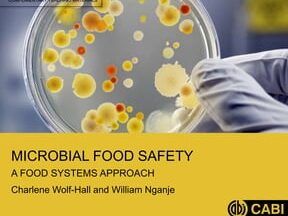
Welcome to our latest article focusing on the importance of obtaining a food safety certificate in Newcastle. In this piece, we will explore the regulatory requirements, benefits, and practical steps you need to take to ensure the safety and quality of the food you handle. Whether you are a restaurant owner, a food handler, or simply interested in food safety practices, this information will guide you through the process of acquiring and maintaining your food safety certificate in Newcastle.
Demystifying Food Safety Certificates in NSW: What You Need to Know
When it comes to obtaining a food safety certificate in Newcastle, understanding the process and requirements is essential. In New South Wales (NSW), food businesses must comply with specific regulations to ensure the safety of their products and customers. Here’s what you need to know to demystify food safety certificates in NSW:
Regulatory Framework in NSW
Food safety in NSW is governed by the Food Act 2003 and the Food Regulation 2015. These regulations aim to protect public health by setting out requirements for food businesses to follow, including obtaining a food safety certificate.
Getting a Food Safety Certificate
To obtain a food safety certificate in Newcastle, food businesses must ensure that they meet the necessary criteria. This includes having a food safety supervisor who has completed the required training and having appropriate food handling procedures in place.
Training Requirements
Food safety supervisors in NSW must have completed the ‘Use hygienic practices for food safety’ course, which is accredited by the NSW Food Authority. This training equips supervisors with the knowledge and skills to handle food safely.
Renewal Process
Food safety certificates in NSW are typically valid for five years. It is the responsibility of the food business to ensure that the certificate is renewed before it expires to maintain compliance with regulations.
Common Pitfalls to Avoid
Some common pitfalls to avoid when obtaining a food safety certificate in Newcastle include not having a designated food safety supervisor, neglecting to update procedures according to regulations, and failing to renew the certificate on time.
By understanding the regulatory framework, meeting training requirements, staying up to date on renewals, and avoiding common pitfalls, food businesses in Newcastle can successfully obtain and maintain their food safety certificates in compliance with NSW regulations.
Understanding Food Safety Supervisor Certificate Validity in NSW
When it comes to the Food Safety Supervisor Certificate in NSW, ensuring its validity is crucial for compliance in the food industry, especially in places like Newcastle. To understand the validity of your certificate, there are key points to keep in mind:
- Expiration Date: Check the expiration date on your certificate to ensure it is still valid. Certificates typically need to be renewed every few years, so it’s essential to stay updated on when yours expires.
- Regulatory Changes: Stay informed about any regulatory changes that may impact the validity of your certificate. Regulations regarding food safety can evolve, so make sure your certificate aligns with the latest requirements.
- Training Updates: Ensure that you have completed any necessary training updates or refresher courses to maintain the validity of your certificate. Keeping your skills and knowledge up to date is key.
By staying proactive and informed about these factors, you can ensure that your Food Safety Supervisor Certificate remains valid in NSW, including in locations like Newcastle. If you have any doubts about the validity of your certificate, it’s advisable to reach out to the relevant authorities or training providers for clarification.
SITXFSA001 vs. SITXFSA005: Understanding the Differences
Food safety certificate Newcastle is a crucial requirement for individuals working in the food industry. Understanding the differences between SITXFSA001 and SITXFSA005 courses can help you choose the right one for your needs.
SITXFSA001 is focused on following food safety procedures and policies in the hospitality industry. It covers basic food safety practices such as personal hygiene, food handling, and storage. This course is suitable for entry-level positions in cafes, restaurants, and catering businesses.
On the other hand, SITXFSA005 is more advanced and delves deeper into food safety management systems. It is designed for individuals who are responsible for implementing and monitoring food safety procedures in a commercial kitchen or food service establishment. This course is ideal for supervisors, kitchen managers, and business owners in the food industry.
When choosing between SITXFSA001 and SITXFSA005 for your food safety certificate in Newcastle, consider your current job role and responsibilities. If you are a frontline staff member looking to gain basic food safety knowledge, SITXFSA001 may be more suitable. However, if you are in a managerial position or aspiring to advance your career in food safety, SITXFSA005 would be a better choice.
Both courses are essential for maintaining a safe and hygienic food environment, ensuring compliance with food safety regulations, and protecting the health of consumers. Whichever course you choose, make sure to complete the training and obtain your food safety certificate in Newcastle to demonstrate your commitment to food safety in the workplace.
Demystifying SITSS00069: Your Guide to Food Safety Supervision in NSW
If you are looking to obtain your food safety certificate in Newcastle, understanding the requirements outlined in the SITSS00069 unit is crucial. This guide provides a comprehensive overview of the necessary steps to ensure food safety supervision in NSW. By following these guidelines, you can confidently navigate the process and successfully obtain your certification.
One of the key aspects of SITSS00069 is the emphasis on food safety practices and the importance of maintaining a safe and hygienic environment in food handling and preparation. To comply with these standards, individuals seeking certification must demonstrate a thorough understanding of food safety principles and how to apply them in a practical setting.
When applying for your food safety certificate in Newcastle, it is essential to familiarize yourself with the specific requirements set forth by the NSW Food Authority. This may include completing a formal training course, passing an assessment, and obtaining relevant work experience in the food industry.
Here is a simplified guide to help you navigate the process of obtaining your food safety certificate in Newcastle:
- Research and select a registered training organization (RTO) that offers the SITSS00069 unit.
- Enroll in the course and complete the required training, which may include both theoretical and practical components.
- Successfully pass the assessment to demonstrate your understanding of food safety principles.
- Gain relevant work experience in a food handling or preparation role to further enhance your skills.
- Submit your application for the food safety certificate to the NSW Food Authority.
By following these steps and ensuring compliance with the SITSS00069 unit requirements, you can expedite the process of obtaining your food safety certificate in Newcastle. Remember to maintain ongoing compliance with food safety standards to uphold the integrity of your certification.
As a final tip on obtaining your food safety certificate in Newcastle, remember that staying informed and up to date on food safety regulations is key to running a successful and compliant business. Make sure to regularly check for any updates or changes in legislation that may affect your operations.
Thank you for reading our blog and engaging with us on this important topic. If you have any questions, tips to share, or experiences to discuss regarding food safety certificates or any other related topics, we would love to hear from you. Leave a comment below, share this article with others who may benefit from it, or explore our other articles for more valuable insights.
Remember, consulting with a professional in the field is always recommended when dealing with legal or regulatory matters to ensure that you are making informed decisions that are right for your specific situation and business needs.
Stay safe and compliant, and we look forward to connecting with you again soon!
If you found this article informative and engaging, be sure to visit our Healthcare Certificates section for more insightful articles like this one. Whether you’re a seasoned enthusiast or just beginning to delve into the topic, there’s always something new to discover in auslegalhub.com. See you there!

