
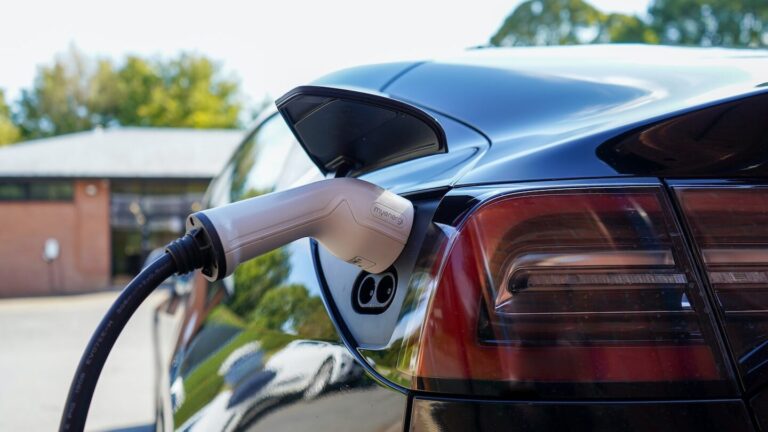
Welcome to our latest article where we will be exploring the ins and outs of fringe benefit tax as it relates to electric cars. As the world moves towards sustainable transportation options, understanding the tax implications of using electric vehicles for fringe benefits is becoming increasingly important. Join us as we break down the key information you need to know to navigate this area effectively.
Decoding FBT: Are Electric Cars FBT-Exempt?
When it comes to fringe benefit tax (FBT) and electric cars, understanding the nuances is crucial to making informed decisions. Electric cars can indeed be FBT-exempt under certain conditions, providing potential tax benefits for both employers and employees.
One key factor that determines FBT exemption for electric cars is the method of acquisition. If the electric car is purchased outright by the employer for business purposes, it may be exempt from FBT. Similarly, if the electric car is provided to an employee for business-related use only, it could also be eligible for FBT exemption.
However, it’s essential to note that the FBT exemption for electric cars is subject to specific criteria set by tax regulations. To ensure compliance and maximize tax benefits, consider the following practical tips:
- Consult with a tax advisor or accountant specialized in FBT to assess your specific situation.
- Maintain detailed records of the electric car’s usage to demonstrate its business-related purposes.
- Regularly review and update your FBT policies to align with any changes in tax laws regarding electric cars.
By staying informed and proactive in understanding FBT regulations related to electric cars, you can navigate potential tax implications effectively and optimize tax savings for your business.
Unlocking Australia’s EV Incentives: Government Support for Electric Vehicles
When it comes to fringe benefit tax electric cars in Australia, understanding the government support available for electric vehicles (EVs) is crucial. By leveraging incentives, businesses can not only contribute to a sustainable future but also enjoy financial advantages. Let’s delve into how you can unlock Australia’s EV incentives and navigate the realm of fringe benefit tax in the context of electric cars.
One of the significant incentives for businesses considering electric vehicles is the exemption from fringe benefit tax for certain electric cars. To qualify for this exemption, the EV must meet specific criteria set by the Australian Taxation Office (ATO). These criteria typically revolve around the vehicle’s emissions output and energy efficiency.
Moreover, the Australian government offers various initiatives to promote the adoption of electric vehicles, such as grants, rebates, and tax credits. These incentives aim to make EVs more appealing and accessible to businesses, ultimately driving the transition to a greener transportation sector.
Here are some key steps to take advantage of Australia’s EV incentives and navigate fringe benefit tax when it comes to electric cars:
- Research and identify eligible electric vehicles that qualify for fringe benefit tax exemptions.
- Consult with a tax advisor or accountant to ensure compliance with ATO regulations regarding EV incentives and fringe benefit tax.
- Explore available government grants and rebates for purchasing electric vehicles to maximize cost savings.
- Keep abreast of any updates or changes in EV incentives and fringe benefit tax regulations to adapt your business strategy accordingly.
By staying informed and proactive, businesses can harness the benefits of Australia’s EV incentives while effectively managing fringe benefit tax implications related to electric cars. Embracing sustainable transportation not only aligns with environmental goals but also presents opportunities for financial savings and long-term growth.
Maximize Savings: The Benefits of Salary Sacrificing for an Electric Car
When it comes to fringe benefit tax electric cars, salary sacrificing for an electric vehicle can be a smart financial move that not only benefits the environment but also your pocket. By opting for a salary sacrifice arrangement for an electric car, you can significantly maximize savings and take advantage of various tax benefits.
One of the key benefits of salary sacrificing for an electric car is the potential tax savings it offers. Under current regulations, electric vehicles are considered more environmentally friendly, and therefore, they attract lower fringe benefit tax rates compared to traditional combustion engine vehicles. This means that by choosing an electric car for salary sacrificing, you may reduce the fringe benefit tax you need to pay.
Moreover, salary sacrificing for an electric car can also lead to savings on fuel and maintenance costs. Electric vehicles are generally more energy-efficient and have lower maintenance requirements than their petrol or diesel counterparts. By making the switch to an electric car through a salary sacrifice arrangement, you can enjoy long-term savings on running costs.
Additionally, some employers offer incentives or discounts for employees who opt for salary sacrificing for an electric car. These incentives can further contribute to your overall savings and make the transition to an electric vehicle even more financially attractive.
Before diving into a salary sacrifice arrangement for an electric car, it’s essential to consult with a tax advisor or financial expert to understand the specific implications for your individual circumstances. They can provide tailored advice on how you can maximize savings through salary sacrificing while complying with relevant regulations and maximizing your tax benefits.
Fringe Benefits Tax: What You Need to Know About Cars
When it comes to understanding the implications of Fringe Benefits Tax (FBT) in relation to cars, especially electric cars, there are some key points to keep in mind to ensure compliance and make the most of potential benefits.
Firstly, it’s important to note that the FBT treatment of electric cars differs from that of traditional fuel-powered vehicles. The Australian Taxation Office (ATO) provides specific guidelines regarding the taxation of electric cars as fringe benefits.
One significant advantage of providing electric cars as fringe benefits is the potential for lower tax liabilities due to their lower emissions. This can result in cost savings for both employers and employees.
Employers offering electric cars as fringe benefits need to consider the following:
- Ensure the car meets the ATO’s criteria for classification as an electric car.
- Calculate the taxable value of the fringe benefit using the appropriate method specified by the ATO.
- Keep accurate records of the car’s business and private use to determine the FBT liability.
Employees who receive electric cars as fringe benefits should be aware of their reporting obligations, including declaring the benefit on their tax return if required.
Overall, understanding the specific rules and benefits associated with providing or receiving electric cars as fringe benefits under FBT can lead to tax savings and environmental advantages.
As a final tip, remember that when it comes to fringe benefit tax on electric cars, staying informed and proactive is key to maximizing benefits and minimizing tax liabilities. Keep track of any changes in legislation or regulations that could impact your tax obligations and consider seeking professional advice to ensure compliance and optimize your tax situation.
Thank you for reading our blog and staying informed on legal and tax-related topics. Your engagement and feedback are valuable to us. Feel free to leave a comment below sharing your thoughts or questions, share this article on your social media platforms, or explore other related articles on our website.
Remember, always consult with a professional in the field to address your specific circumstances and receive personalized advice.
Stay informed, stay proactive, and make the most of your tax benefits!
If you found this article informative and engaging, be sure to visit our Income Tax section for more insightful articles like this one. Whether you’re a seasoned enthusiast or just beginning to delve into the topic, there’s always something new to discover in auslegalhub.com. See you there!

