
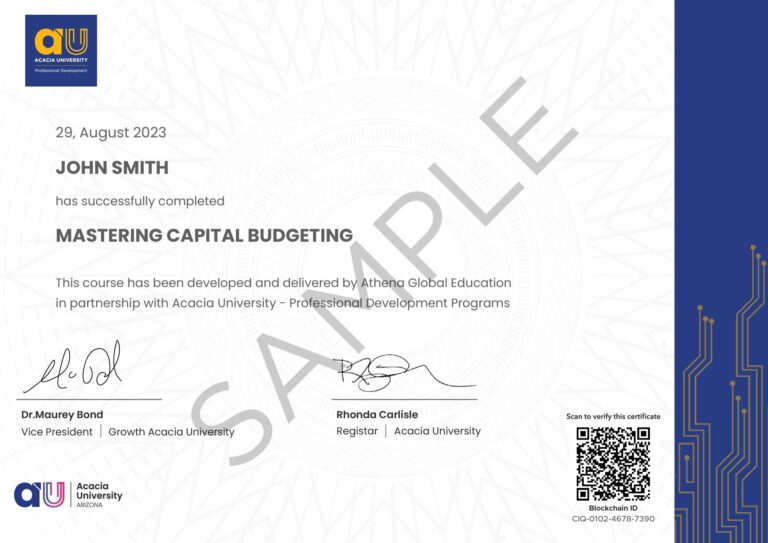
Are you interested in advancing your career in policy and governance? A graduate certificate in policy and governance could be the key to unlocking new opportunities and expanding your expertise in this dynamic field. In this article, we will explore the benefits of pursuing a graduate certificate in policy and governance, the skills you can expect to gain, and how this program can enhance your professional prospects. Let’s dive in!
Unlocking Opportunities: The Value of a Graduate Certificate
When considering the value of a graduate certificate in policy and governance, it’s essential to delve into the opportunities it can unlock for individuals in the field. A graduate certificate in policy and governance equips students with specialized knowledge and skills that are highly sought after in various sectors, including government agencies, non-profit organizations, consulting firms, and more.
One key aspect of the value of a graduate certificate in policy and governance is the enhanced credibility and expertise it provides. Employers often value candidates with specialized education in this area, as it demonstrates a deep understanding of key concepts and issues in policy development and implementation.
Moreover, a graduate certificate in policy and governance can open doors to new career paths and advancement opportunities. Whether you are looking to transition into a policy-related role or seeking to progress in your current career, the specialized knowledge gained through a graduate certificate can set you apart from other candidates.
Additionally, the networking opportunities that come with pursuing a graduate certificate in policy and governance should not be underestimated. Interacting with professors, fellow students, and industry professionals can lead to valuable connections that may prove beneficial in your career journey.
Lastly, the practical skills acquired during a graduate certificate in policy and governance program, such as policy analysis, program evaluation, and strategic planning, are directly applicable to real-world scenarios. This hands-on experience can give you a competitive edge in the job market and make you a valuable asset to employers.
Unlocking Opportunities: Understanding the Value of a Graduate Certificate
When considering the value of a graduate certificate in policy and governance, it’s essential to understand the opportunities that it can unlock for your career advancement. This specialized program equips you with the necessary knowledge and skills to excel in the field of policy analysis, public administration, and regulatory affairs.
One key advantage of earning a graduate certificate in policy and governance is the focused curriculum that delves deep into relevant topics such as regulatory compliance, public policy formulation, and government operations. This targeted education not only enhances your expertise but also makes you a valuable asset to employers in both public and private sectors.
Moreover, holding a graduate certificate in policy and governance can significantly boost your credibility and marketability in the job market. Employers often seek candidates with specialized training in policy development and implementation, making you a preferred choice for roles such as policy analyst, regulatory compliance officer, or government relations specialist.
Another advantage of pursuing this certificate is the networking opportunities it provides. Through interactions with faculty members, industry professionals, and fellow students, you can expand your professional contacts and gain insights into the latest trends and best practices in policy and governance.
In conclusion, investing in a graduate certificate in policy and governance can open doors to a wide range of career opportunities and set you on a path to success in the dynamic field of public policy and regulatory affairs. Consider enrolling in a reputable program today to take your career to the next level.
Unlocking Opportunities: Pursuing a Graduate Certificate Without a Degree
When considering pursuing a graduate certificate in policy and governance without a degree, it’s crucial to understand the potential opportunities and challenges that may arise. While not having a prior degree can pose some obstacles, there are ways to navigate this path successfully.
One key aspect to keep in mind is the admission requirements for the graduate certificate program in policy and governance. Some programs may accept students without a prior degree based on relevant work experience or professional qualifications. It’s essential to thoroughly research different programs to find the one that best fits your background and goals.
Another important factor to consider is the coursework involved in the graduate certificate in policy and governance. Without a degree, you may need to demonstrate your proficiency in the subject matter through alternative means such as certifications, online courses, or relevant projects. Highlighting your skills and knowledge in policy and governance can strengthen your application.
Networking and building connections in the field of policy and governance can also be beneficial when pursuing a graduate certificate without a degree. Attending industry events, workshops, and conferences can help you establish relationships with professionals who may support your academic journey and provide valuable insights.
Lastly, it’s essential to stay informed about any regulatory requirements or licensing issues related to policy and governance. Understanding the legal aspects of the field can give you a competitive edge and ensure compliance with industry standards.
In conclusion, while pursuing a graduate certificate in policy and governance without a degree may present challenges, it is possible to unlock opportunities with careful planning, research, and dedication to your academic and professional development.
Demystifying Postgraduate vs. Graduate Certificates: Understanding the Difference
When considering advancing your career in policy and governance, understanding the difference between a graduate certificate and a postgraduate certificate is crucial. While both can enhance your skills and knowledge in this field, there are distinct characteristics that set them apart.
A graduate certificate is typically a short-term program focused on a specific area within policy and governance. It is designed for individuals who already hold a bachelor’s degree and want to deepen their expertise in a particular aspect of the field. These certificates are usually completed in less than a year and provide specialized training to help professionals advance their careers.
On the other hand, a postgraduate certificate is a longer and more comprehensive program that often requires a prior graduate degree as a prerequisite. This certificate is aimed at individuals who want to broaden their knowledge beyond their existing academic qualifications. A postgraduate certificate in policy and governance covers a wider range of topics and may delve deeper into complex issues within the field.
Here is a brief comparison between a graduate certificate and a postgraduate certificate in policy and governance:
| Aspect | Graduate Certificate | Postgraduate Certificate |
|---|---|---|
| Duration | Short-term (usually less than a year) | Longer and more comprehensive |
| Entry Requirement | Bachelor’s degree | Prior graduate degree |
| Focus | Specialized training in a specific area | Broader knowledge base |
When deciding between a graduate certificate and a postgraduate certificate in policy and governance, consider your current qualifications, career goals, and the level of expertise you aim to achieve. If you are looking to specialize in a particular aspect of policy and governance, a graduate certificate may be the right choice. However, if you seek a more comprehensive understanding of the field, a postgraduate certificate would be more suitable.
Both types of certificates can provide valuable skills and knowledge to advance your career in policy and governance. Evaluate your options carefully to choose the program that best aligns with your professional aspirations.
As you embark on your journey towards obtaining a graduate certificate in policy and governance, remember that continuous learning and growth are key to success in this field. Stay curious, stay motivated, and never stop seeking opportunities to expand your knowledge and skills.
Thank you for joining us on this insightful exploration of certificates, contracts, declarations, licenses, renewals, and tax issues. We hope you found the information valuable and practical for your needs. If you have any questions, tips, or ideas to share, please feel free to leave a comment below or share this article on your favorite social media platform.
Remember, this blog is meant to provide general information and guidance. Always consult with a professional in the field for specific advice tailored to your unique situation and needs.
Good luck on your academic and professional journey, and we look forward to having you back soon for more engaging content!
If you found this article informative and engaging, be sure to visit our Education Certificates section for more insightful articles like this one. Whether you’re a seasoned enthusiast or just beginning to delve into the topic, there’s always something new to discover in auslegalhub.com. See you there!

