
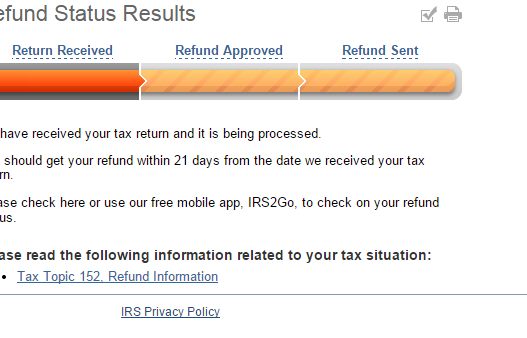
Waiting for your tax return can be both nerve-wracking and frustrating, especially when you’re eagerly anticipating that much-needed refund. Understanding the factors that influence the processing time of your tax return can help you manage your expectations and plan your finances accordingly. Let’s delve into the key aspects that determine how long it takes for your tax return to come back and what steps you can take to expedite the process.
Demystifying Australian Tax Returns: Timelines & Tips!
When it comes to submitting your tax return in Australia, one common question that often arises is, how long does your tax return take to come back? The processing time for tax returns can vary depending on several factors, including how you lodge your return, the complexity of your tax affairs, and when you submit your return.
If you lodge your tax return online through myTax or with the help of a registered tax agent, you can typically expect to receive your refund within two to three weeks from the date of lodgment. This is considered the fastest way to lodge your return and receive any applicable refunds.
On the other hand, if you choose to lodge your tax return by mail, the processing time may take longer, usually around four to six weeks from the date the Australian Taxation Office (ATO) receives your return.
It’s important to note that if your tax return is selected for a review or audit by the ATO, the processing time will be extended. In such cases, it may take several months to receive any refund or final assessment.
To ensure a smooth and efficient processing of your tax return, here are some tips to keep in mind:
- Organize your documents: Gather all necessary documents, such as payment summaries, receipts, and any other relevant information before lodging your return.
- Check for accuracy: Double-check all the information you provide to avoid any errors or delays in processing.
- Lodge early: It’s recommended to lodge your tax return as early as possible to receive any refunds sooner and avoid the end-of-year rush.
- Consider using a tax agent: If you have a complex tax situation or need assistance, engaging a registered tax agent can help streamline the process and ensure compliance with tax laws.
By following these tips and understanding the typical processing times for tax returns in Australia, you can navigate the tax season with confidence and ease. Remember that staying informed and proactive can help you manage your tax affairs efficiently and effectively.
Get Your Tax Refund Faster: Timeline for Deposit into Your Bank Account
If you’re wondering how long does your tax return take to come back, understanding the timeline for deposit into your bank account is crucial. The speed at which you receive your tax refund can vary based on several factors. Here’s a breakdown to help you get your tax refund faster:
1. E-filing vs. Paper Filing: E-filing your tax return is generally faster than mailing a paper return. The IRS processes e-filed returns quicker, which can speed up the refund process.
2. Accuracy of Information: Ensuring all information on your tax return is accurate can prevent delays. Mistakes or missing information may result in the IRS needing to follow up, slowing down the refund process.
3. Refund Method: Opting for direct deposit into your bank account is the quickest way to receive your refund. The IRS typically issues refunds via direct deposit within 21 days of acceptance.
4. IRS Processing Times: The IRS states that they aim to issue refunds within 21 days for e-filed returns and within 42 days for paper returns. However, some refunds may take longer if further review is needed.
By e-filing your return with accurate information and choosing direct deposit, you can expedite the process and get your tax refund faster. Keep track of your refund status using the IRS’s “Where’s My Refund?” tool on their website to stay informed about the progress of your refund.
Trouble Getting Your Tax Refund? Here’s Why it’s Taking Longer than 30 Days
If you’re wondering how long does your tax return take to come back, it’s essential to understand the factors that may cause delays in receiving your refund. Typically, the Internal Revenue Service (IRS) issues refunds within 21 days of processing your tax return. However, several reasons could lead to a longer waiting period of more than 30 days.
One common reason for delays is errors on your tax return, such as incorrect personal information, mathematical mistakes, or missing signatures. In such cases, the IRS may need to conduct further reviews, slowing down the refund process. To avoid these delays, double-check your return for accuracy before submitting it.
Another factor that can impact the timing of your tax refund is filing a paper return instead of an electronic one. Paper returns generally take longer to process, leading to delays in receiving your refund. If you want to expedite the process, consider filing your taxes electronically.
Additionally, if you claim certain credits, such as the Earned Income Tax Credit (EITC) or the Additional Child Tax Credit (ACTC), the IRS is required by law to hold refunds until mid-February. This delay is in place to allow the agency enough time to verify the accuracy of these claims, which can extend the waiting period beyond 30 days.
Moreover, if you choose to receive your refund via a paper check instead of direct deposit, it can add extra time to the processing and delivery of your refund. Opting for direct deposit is the fastest way to receive your refund, as it eliminates the need for mail delivery.
In summary, if you’re experiencing delays in getting your tax refund that extend beyond 30 days, carefully review your return for errors, consider filing electronically, be aware of credit-related delays, and choose direct deposit for faster processing. By taking these steps, you can help expedite the process and receive your refund in a timely manner.
Quick Guide: ATO Account Balancing Timeframes
When it comes to wondering how long does your tax return take to come back, understanding the ATO Account Balancing Timeframes is crucial. This quick guide will help you navigate the process smoothly and efficiently.
After submitting your tax return, the processing time can vary based on several factors. Typically, the Australian Taxation Office (ATO) aims to process returns within 12 business days. However, this timeframe can be longer during peak periods such as tax season.
It’s essential to keep in mind that certain circumstances can impact the processing time of your tax return:
- Accuracy of information provided
- Completeness of the return
- Complexity of the return
Ensuring that you provide all necessary documentation and information accurately can help expedite the processing of your tax return.
If you choose to lodge your tax return online through myTax or a registered tax agent, you may receive your refund faster. The ATO typically processes electronic returns quicker than paper returns.
Remember, if you have any queries regarding the status of your tax return, you can track it using the ATO’s online services or contact them directly for assistance.
By understanding the ATO Account Balancing Timeframes and following these tips, you can have a clearer expectation of how long does your tax return take to come back and ensure a smoother tax return process.
As a final tip, if you’re wondering how long your tax return will take to come back, it’s best to check with your tax preparer or the tax authority in your country. However, in general, the process can take anywhere from a few weeks to a few months, depending on various factors.
Remember, being proactive and organized can help expedite the process. Keep all your documents in order, respond promptly to any requests for additional information, and consider filing electronically for faster processing.
Thank you for reading our blog on legal, regulatory, and practical aspects related to tax issues. If you found this information helpful, we invite you to leave a comment, share this article on social media, or explore other related articles on our website.
Always remember to consult with a professional in the field for personalized advice and guidance.
Good luck with your tax return, and we look forward to sharing more valuable insights with you soon!
If you found this article informative and engaging, be sure to visit our Income Tax section for more insightful articles like this one. Whether you’re a seasoned enthusiast or just beginning to delve into the topic, there’s always something new to discover in auslegalhub.com. See you there!

