
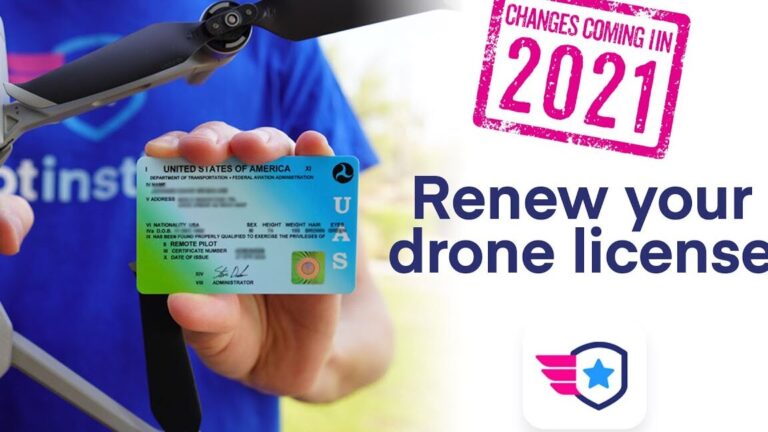
Are you eager to take your drone flying hobby to the next level? Getting a drone license is a crucial step to ensure you can fly legally and safely. In this article, we will guide you through the process of obtaining your drone license, from understanding the requirements to passing the exam. Let’s get started on turning your passion for drones into a certified skill!
Unlocking the Cost: Getting Your Drone License in Australia
When it comes to getting your drone license in Australia, there are several key steps you need to follow to ensure you can legally operate your drone. Here’s a breakdown of the process to help you navigate through the requirements and costs associated with obtaining your drone license in Australia:
1. Understand the Regulatory Framework
Before you can fly your drone commercially in Australia, you need to obtain a Remote Pilot License (RePL) and a Remote Operator Certificate (ReOC) from the Civil Aviation Safety Authority (CASA). These certifications are mandatory for operating drones for commercial purposes.
2. Training and Accreditation
To qualify for an RePL, you must complete a training course with a CASA-approved training organization. This course typically covers theory and practical components to ensure you have the necessary skills to operate a drone safely and responsibly.
3. Application Process
Once you have completed the training and passed the required assessments, you can submit your application for the RePL and ReOC to CASA. Make sure to provide all the necessary documentation and information to expedite the process.
4. Costs Involved
Obtaining your drone license in Australia can involve several costs, including training fees, application fees, and renewal fees. It’s essential to factor in these costs when budgeting for your drone operations.
5. Renewal and Compliance
After obtaining your drone license, you must comply with all regulatory requirements set by CASA. This includes renewing your license periodically and adhering to safety guidelines to ensure safe drone operations.
By following these steps and staying informed about the regulatory framework, you can successfully obtain your drone license in Australia and unlock the full potential of drone technology for your business or personal use.
Drone Flying in Australia: License Requirements Unveiled
To legally fly a drone in Australia, you must obtain a Remote Pilot License (RePL) or a Remote Operator Certificate (ReOC) from the Civil Aviation Safety Authority (CASA). Here’s how you can get a drone license in Australia:
1. Determine the Type of License You Need:
Decide whether you need an RePL or an ReOC based on your specific drone operations. The RePL is for individuals who want to fly drones commercially, while the ReOC is for organizations or businesses that intend to use drones for commercial purposes.
2. Meet the Eligibility Requirements:
Ensure you meet the eligibility criteria set by CASA, which may include age, English language proficiency, and passing a background security check.
3. Undertake Training:
Complete a training course with a CASA-approved drone training organization. The training will cover both theoretical knowledge and practical flying skills.
4. Pass the Remote Pilot License Exam:
For an RePL, you need to pass the Remote Pilot License exam, which includes questions on drone regulations, airspace rules, and safety procedures.
5. Apply for the License:
Submit your application for the RePL or ReOC to CASA along with the required documents and fees. Make sure to provide all necessary information accurately.
6. Await Approval:
Once you have submitted your application, wait for CASA to review and approve it. This process may take some time, so be patient.
By following these steps and meeting all the requirements, you can obtain your drone license in Australia and legally enjoy flying your drone for commercial purposes.
Drone Pilot Salaries Revealed: How Much Do They Earn?
When it comes to becoming a drone pilot and earning a competitive salary in the industry, obtaining a drone license is a crucial first step. Drone pilots can earn varying salaries depending on factors such as experience, location, and type of work. To get started on this exciting career path, follow these steps to obtain your drone license:
1. Understand the Requirements
Before applying for a drone license, familiarize yourself with the requirements set by the Federal Aviation Administration (FAA). You must be at least 16 years old, pass an aeronautical knowledge test, and undergo a TSA security screening.
2. Study for the Aeronautical Knowledge Test
Prepare for the aeronautical knowledge test by studying the FAA’s Remote Pilot Certification Study Guide. The test covers topics such as airspace regulations, weather conditions, and flight operations.
3. Take the Aeronautical Knowledge Test
Schedule and take the aeronautical knowledge test at an FAA-approved testing center. Upon passing the exam, you will receive a completion certificate.
4. Submit Your Application
Complete the FAA’s online Remote Pilot Certificate Application using your test completion certificate. Pay the required fee and await approval from the FAA.
5. Renew Your License
Remember to renew your drone license every two years by passing a recurrent knowledge test. Stay updated on regulations and best practices to ensure compliance and safety.
By following these steps and staying informed on the latest regulations and trends in the drone industry, you can kickstart your career as a licensed drone pilot and work towards earning a competitive salary.
Nighttime Drone Flying in Australia: Rules & Tips
When it comes to flying drones at night in Australia, it’s crucial to ensure you comply with the regulations set by the Civil Aviation Safety Authority (CASA). If you’re considering nighttime drone flying, it’s essential to be aware of the rules and tips to do so safely and legally.
Getting a drone license is a fundamental requirement for flying drones in Australia, whether during the day or at night. To obtain a drone license, you need to follow these steps:
- Complete a Remote Pilot License (RePL) course from a CASA-approved training organization.
- Pass the RePL theory exam, which covers topics such as airspace rules, safety procedures, and emergency protocols.
- Gain practical flying experience and pass a flight review with a certified instructor.
- Apply for your RePL through CASA and meet any additional requirements they may have.
Once you have obtained your drone license, you can then apply for a night flying endorsement if you wish to fly your drone after sunset. This endorsement demonstrates that you have the necessary skills and knowledge to operate a drone safely in low light conditions.
It’s important to note that flying drones at night comes with additional risks and challenges due to reduced visibility. To ensure safe nighttime drone flying, consider the following tips:
- Always maintain a clear line of sight with your drone and avoid flying in areas with obstacles or poor lighting.
- Equip your drone with lights or strobes to enhance visibility for yourself and others.
- Check the weather conditions before flying and avoid flying in strong winds or rain.
- Be mindful of wildlife and noise disturbances, especially in residential areas.
By following the rules and tips for nighttime drone flying in Australia and obtaining the necessary licenses and endorsements, you can enjoy flying your drone responsibly and legally. Remember to always prioritize safety and compliance with regulations to prevent accidents and ensure a positive drone flying experience.
As a final tip on how to get a drone license, remember to carefully review the specific requirements and regulations in your country or region. Stay informed about any updates or changes to the licensing process to ensure compliance with the law. Always prioritize safety and responsible drone operation to protect yourself and others.
Thank you for reading our blog and learning more about drone licenses. We hope this information has been helpful to you on your journey to becoming a licensed drone pilot. If you have any questions or would like to share your own experiences, please feel free to leave a comment below. Don’t forget to share this article on social media to help others who may be seeking guidance on this topic.
Remember, always consult with a professional in the field for personalized advice and guidance. Stay tuned for more informative articles on legal, regulatory, and practical aspects related to certificates, contracts, declarations, licenses, renewals, and tax issues!
If you found this article informative and engaging, be sure to visit our Professional Licenses section for more insightful articles like this one. Whether you’re a seasoned enthusiast or just beginning to delve into the topic, there’s always something new to discover in auslegalhub.com. See you there!

