
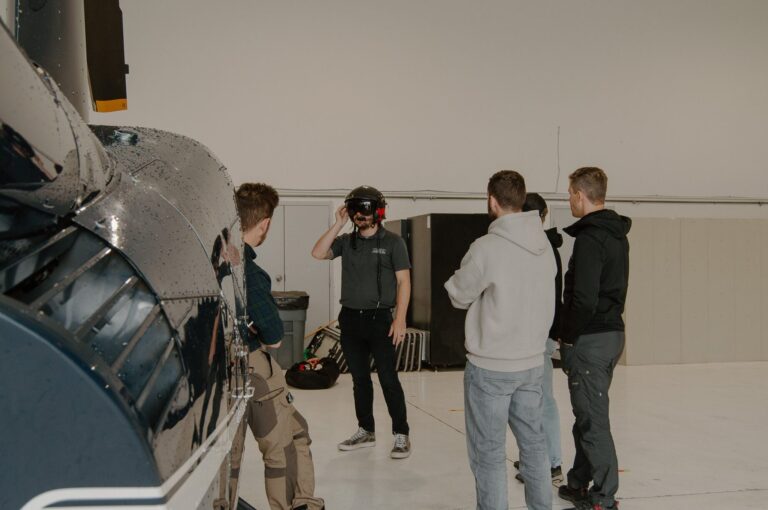
Are you ready to take your love for aviation to new heights? If you’ve ever dreamed of soaring through the skies in a helicopter, then getting your helicopter license is the first step towards turning that dream into reality. In this article, we will guide you through the process of obtaining your helicopter license, providing you with the information you need to take off on this exciting journey. Let’s get started!
Unlocking the Costs: Helicopter License Fees in Australia
If you are considering obtaining your helicopter license in Australia, it’s essential to understand the associated costs involved. Obtaining a helicopter license can be a significant investment, but the rewards of flying a helicopter are well worth it. Here is a breakdown of the costs you may encounter when pursuing your helicopter license in Australia:
Training Costs: The most significant cost associated with getting your helicopter license is the training fees. These fees cover the cost of flight instructors, helicopter rental, fuel, and other training materials. The cost of training can vary depending on the flight school and the type of license you are pursuing.
License Application Fees: Once you have completed your training and passed the necessary exams, you will need to pay a fee to apply for your helicopter license. This fee covers the administrative costs of processing your license application.
Medical Examination: Before obtaining your helicopter license, you will need to undergo a medical examination to ensure you are fit to fly. The cost of this examination can vary depending on the medical examiner you visit.
Written Exams: As part of the licensing process, you will need to pass written exams covering topics such as aviation theory and regulations. There may be fees associated with taking these exams.
Flight Test: The final step in obtaining your helicopter license is the flight test. You will need to demonstrate your flying skills to a designated examiner. There may be fees associated with scheduling and taking the flight test.
It’s important to budget for these costs when planning to get your helicopter license. To ensure you are financially prepared, consider researching different flight schools to compare training costs and fees. Additionally, inquire about any potential hidden costs that may arise during the licensing process.
Remember, obtaining your helicopter license is a worthwhile investment that can open up exciting opportunities in the world of aviation. By understanding and budgeting for the costs involved, you can embark on your helicopter training journey with confidence and financial preparedness.
Mastering the Skies: How Long to Become a Helicopter Pilot?
When it comes to obtaining your helicopter license, the journey to becoming a helicopter pilot involves several steps and considerations. To become a helicopter pilot, you will need to dedicate time, effort, and resources to complete the necessary training and certification requirements. Here is a breakdown of the process and the time it may take:
1. Obtain a Student Pilot Certificate
Before you can start training to become a helicopter pilot, you will need to obtain a Student Pilot Certificate from the Federal Aviation Administration (FAA). This certificate allows you to fly under the supervision of a certified flight instructor.
2. Complete Ground School Training
Ground school training is essential to learn the theoretical aspects of flying, including aerodynamics, weather patterns, navigation, and flight regulations. This training can be completed through a certified flight school or online courses.
3. Flight Training
Flight training is the practical aspect of learning to fly a helicopter. You will log a certain number of flight hours with a certified flight instructor to gain the skills and experience necessary to pass your checkride.
4. Pass the Written Exam
Before taking your practical exam, you will need to pass a written exam that tests your knowledge of helicopter operations, regulations, and safety procedures.
5. Pass the Checkride
The final step to obtaining your helicopter license is to pass a checkride, where an FAA examiner will evaluate your flying skills and knowledge. Once you pass the checkride, you will officially receive your Private Pilot License for helicopters.
Overall, the time it takes to become a helicopter pilot can vary depending on factors such as your availability, the frequency of your training sessions, and your aptitude for flying. On average, it can take anywhere from 6 months to a year to complete all the requirements and obtain your helicopter license.
Helicopter Pilot Demand in Australia: What You Need to Know
To become a helicopter pilot in Australia, obtaining your helicopter license is a crucial step. The demand for helicopter pilots in Australia is strong, making it an attractive career choice for many aviation enthusiasts. Here’s what you need to know about getting your helicopter license:
Firstly, you must meet the minimum requirements set by the Civil Aviation Safety Authority (CASA) to qualify for a helicopter pilot license. These requirements typically include:
- Being at least 17 years old
- Completing a certain number of flight hours
- Passing a medical examination
- Passing theory exams
Once you meet these requirements, you can enroll in a reputable flight school that offers helicopter pilot training. It’s essential to choose a school that has experienced instructors and modern training facilities to ensure you receive high-quality education.
During your training, you will learn various skills such as helicopter operation, navigation, emergency procedures, and more. Practical flight training is a significant part of the process, where you will log the required flight hours under the supervision of your instructor.
After completing your training, you will need to pass a flight test conducted by a CASA examiner to obtain your helicopter pilot license. This test will assess your flying abilities and knowledge of aviation regulations.
Once you have your license, you can pursue various career opportunities as a helicopter pilot, including roles in tourism, emergency services, aerial photography, and more. It’s essential to stay updated on the latest industry trends and regulations to excel in your career.
In conclusion, becoming a helicopter pilot in Australia requires dedication, training, and meeting the necessary requirements set by CASA. By obtaining your helicopter license, you can embark on an exciting and rewarding career in the aviation industry.
Breaking Down Helicopter Instructor Rating Costs: A Practical Guide
When considering obtaining your helicopter license, one crucial step to advance your career in aviation is acquiring a Helicopter Instructor Rating. This rating allows you to instruct and train future pilots, making it a valuable addition to your qualifications. However, the costs associated with obtaining this rating can be significant. Understanding and breaking down these costs is essential for proper financial planning.
Here is a practical guide on how to navigate and manage helicopter instructor rating costs effectively:
1. Research and Compare Training Programs
Start by researching various flight schools and training programs that offer helicopter instructor rating courses. Compare the costs, curriculum, and reputation of each program to find one that fits your budget and needs.
2. Understand the Fee Structure
Break down the helicopter instructor rating costs into different components such as tuition, flight hours, ground instruction, books, materials, and exam fees. Understanding the fee structure will help you anticipate and budget for each expense.
3. Budget Wisely
Once you have a clear understanding of the costs involved, create a detailed budget that outlines all expenses related to obtaining your helicopter instructor rating. Consider additional costs such as accommodation, transportation, and living expenses during the training period.
4. Explore Financing Options
If the helicopter instructor rating costs exceed your current financial capacity, explore financing options such as scholarships, grants, loans, or payment plans offered by flight schools. Some organizations also provide financial assistance to aspiring pilots.
5. Monitor Your Progress
Keep track of your training progress and expenses to ensure you stay within your budget. Regularly review your budget and make adjustments if necessary to avoid overspending on your helicopter instructor rating journey.
By following these practical steps and being proactive in managing your helicopter instructor rating costs, you can pursue your dream of becoming a certified helicopter instructor without financial stress.
As a final tip on how to get your helicopter license, remember to stay dedicated, keep practicing, and always prioritize safety above all else. Obtaining your license is a rewarding journey that requires commitment and perseverance, so stay focused on your goal and enjoy the process.
Thank you for reading our blog on legal, regulatory, and practical aspects related to certificates, contracts, declarations, licenses, renewals, and tax issues. We hope you found the information valuable and insightful. Remember, always consult with a professional in the field to ensure you are on the right track and complying with all necessary requirements.
We would love to hear from you! Feel free to leave a comment below sharing your thoughts, experiences, or any questions you may have. Don’t forget to share this article on social media to help others on a similar journey. You can also explore our other related articles for more useful tips and guidance.
Good luck on your helicopter license journey, and we wish you safe and enjoyable flights ahead!
If you found this article informative and engaging, be sure to visit our Professional Licenses section for more insightful articles like this one. Whether you’re a seasoned enthusiast or just beginning to delve into the topic, there’s always something new to discover in auslegalhub.com. See you there!

