
Are you considering selling an investment property and wondering about the tax implications? Understanding how capital gains tax applies to investment properties is crucial for making informed decisions and maximizing your profits. In this article, we will explore the key aspects of investment property capital gains tax and provide practical insights to help you navigate this important financial consideration.
Smart Strategies to Minimize Capital Gains Tax on Property Investments
When it comes to investment property capital gains tax, there are smart strategies you can employ to minimize your tax burden. By being proactive and strategic, you can make the most of your property investments while minimizing the impact of capital gains tax. Here are some practical tips to help you navigate this aspect of property investment:
1. Hold the Property for the Long Term
One effective strategy to minimize capital gains tax is to hold onto your property for the long term. By doing so, you may qualify for long-term capital gains tax rates, which are typically lower than short-term rates. This can result in significant tax savings over time.
2. Utilize 1031 Exchanges
Consider utilizing a 1031 exchange, also known as a like-kind exchange, to defer paying capital gains tax when you sell a property. This strategy allows you to reinvest the proceeds from the sale into another investment property without triggering immediate capital gains tax.
3. Take Advantage of Capital Improvements
Investing in capital improvements for your property can increase its basis, which in turn reduces the amount of capital gains subject to tax when you sell. Keep detailed records of all improvements made to the property to accurately calculate your adjusted basis.
4. Offset Gains with Losses
If you have other investments that have incurred losses, consider strategically selling them to offset the capital gains from your property investment. This can help reduce your overall tax liability by utilizing the strategy of tax-loss harvesting.
5. Stay Informed and Seek Professional Advice
Capital gains tax laws and regulations can be complex and subject to change. Stay informed about the latest updates and seek advice from a tax professional or financial advisor to ensure you are taking advantage of all available strategies to minimize your tax liability.
By implementing these smart strategies and staying proactive in managing your property investments, you can effectively minimize the impact of investment property capital gains tax and maximize your returns.
Demystifying Capital Gains Tax on Investment Properties: What You Need to Know
When it comes to investment properties, understanding capital gains tax is crucial for maximizing your profits and staying compliant with the law. Here’s what you need to know to demystify the complexities surrounding investment property capital gains tax.
Key Points to Consider:
- Capital Gains Definition: Capital gains refer to the profits made from selling an investment property at a higher price than what you paid for it.
- Calculating Capital Gains Tax: Capital gains tax is calculated based on the difference between the property’s purchase price and the selling price, with certain deductions and exemptions applied.
- Primary Residence Exemption: If the property was your primary residence for a certain period, you may be eligible for a partial or full exemption from capital gains tax.
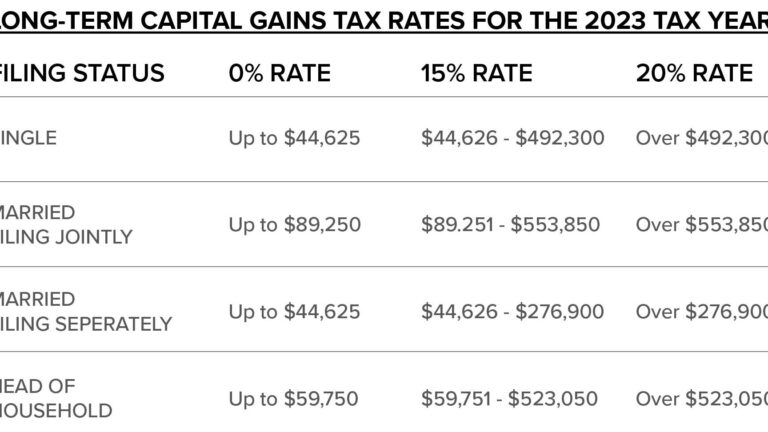
- Capital Gains Tax Rates: The tax rate for capital gains varies depending on how long you held the property and your overall income bracket.
- Offsetting Capital Gains: You can offset capital gains by deducting certain expenses related to the property, such as renovation costs, real estate agent fees, and other eligible expenses.
It’s important to keep detailed records of all transactions and expenses related to your investment property to accurately calculate your capital gains tax liability. Consulting with a tax professional or financial advisor can also provide valuable insights and help you optimize your tax strategy.
By staying informed and proactive about capital gains tax on investment properties, you can navigate the tax implications effectively and make informed decisions to enhance your investment returns.
Understanding the 6-Year Rule: Capital Gains Tax on Property
When it comes to investment property capital gains tax, understanding the 6-year rule is crucial. This rule allows individuals to treat a dwelling as their main residence for capital gains tax purposes even after they have stopped living in it.
Essentially, if you move out of your property, you can continue to treat it as your main residence for up to six years while you rent it out. This can have significant tax benefits when you eventually sell the property. Here’s a breakdown of how the 6-year rule works in relation to investment properties:
- Initial Period: The first six years after you move out of the property are covered by the 6-year rule.
- Capital Gains Tax Exemption: During this period, you can still claim the main residence exemption for capital gains tax purposes.
- Rent: If you rent out the property during this time, it won’t affect your ability to utilize the 6-year rule.
- Reset: If you move back into the property, the 6-year clock resets, allowing you to potentially claim another six years of exemption.
It’s important to note that the 6-year rule is just one aspect to consider when dealing with investment property capital gains tax. Other factors such as market conditions, property improvements, and holding periods can also impact your tax liability. Consulting with a tax professional or financial advisor can help you navigate these complexities and optimize your tax position.
Demystifying Capital Gains Tax on $200K: What You Need to Know
When it comes to investment property capital gains tax, understanding the implications of selling a property for $200,000 is crucial. Here’s what you need to know to demystify the process:
Key Points to Consider:
- Calculate Your Gain: Start by determining the difference between the property’s purchase price and the selling price.
- Length of Ownership: The duration you’ve owned the property can impact the tax rate applied to your capital gains.
- Exemptions and Deductions: Explore if you qualify for any exemptions or deductions that could reduce your tax liability.
- Consult a Tax Professional: Seeking advice from a tax expert can help you navigate the complexities of capital gains tax.
Capital Gains Tax Rates for Investment Property:
| Ownership Period | Tax Rate |
|---|---|
| Less than a year | Short-term capital gains tax rates apply (typically higher). |
| More than a year | Long-term capital gains tax rates apply (often at a lower rate). |
By being aware of these key factors and seeking professional advice, you can effectively manage your investment property capital gains tax obligations when selling a property for $200,000.
Before we wrap up, here’s a final tip for dealing with investment property capital gains tax: consider keeping detailed records of all expenses related to your property, as these can help reduce your taxable capital gains when you sell. Remember, every dollar saved on taxes is a dollar earned for your future investments!
Thank you for reading our blog post on investment property capital gains tax. We hope you found the information helpful and valuable. If you have any questions, tips, or experiences to share, feel free to leave a comment below. You can also share this article on your social media to help others facing similar issues.
Remember, while we strive to provide accurate and practical information, it’s always essential to consult with a professional in the field to address your specific needs and circumstances.
Stay informed, stay proactive, and keep building your financial future with confidence!
If you found this article informative and engaging, be sure to visit our Other Taxes section for more insightful articles like this one. Whether you’re a seasoned enthusiast or just beginning to delve into the topic, there’s always something new to discover in auslegalhub.com. See you there!

