
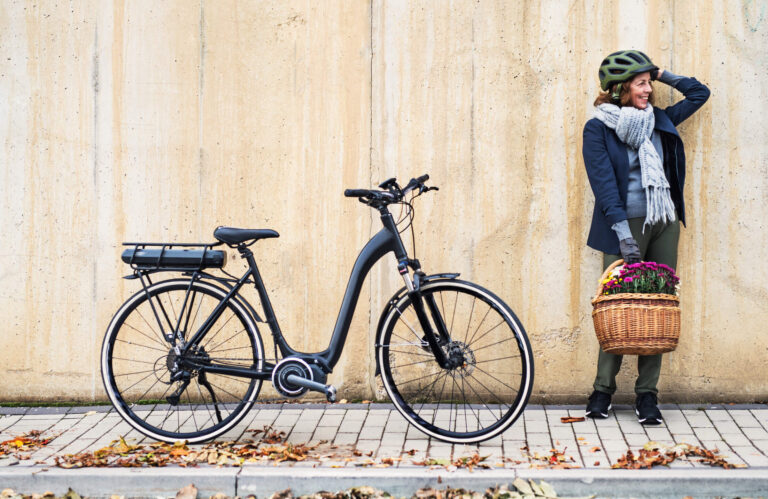
Are you considering purchasing an e-bike and wondering if it qualifies for a tax deduction? Understanding the tax implications of e-bike purchases can help you make informed decisions and potentially save money. Let’s explore the tax deductibility of e-bikes and what you need to know to maximize your savings.
Unlocking Tax Benefits: Claiming Your E-bike Expenses
When it comes to tax deductions, claiming expenses related to your e-bike can be a great way to unlock tax benefits. The question of whether an e-bike is tax deductible depends on how it is being used. Here’s what you need to know to make the most of this potential tax deduction.
E-bike expenses can be tax deductible if the e-bike is used for work-related purposes. If you use your e-bike primarily for commuting to and from work, you may be able to claim a portion of the expenses on your taxes. Here are some steps to follow to ensure you can claim your e-bike expenses:
- Keep detailed records of your e-bike expenses, including purchase price, maintenance costs, and any upgrades.
- Document your e-bike usage, especially the specific work-related trips you take.
- Calculate the percentage of work-related use versus personal use of your e-bike.
- Consult with a tax professional to ensure you are following all relevant tax laws and regulations.
By following these steps and keeping thorough records, you can potentially deduct a portion of your e-bike expenses on your taxes, helping you save money and unlock tax benefits.
Demystifying FBT Exemptions for Ebikes: What You Need to Know
When it comes to is an e bike tax deductible, it’s essential to understand the intricacies of Fringe Benefits Tax (FBT) exemptions in the context of electric bikes (ebikes). These exemptions can provide significant savings for both employers and employees. Let’s delve into what you need to know to demystify FBT exemptions for ebikes.
First and foremost, it’s important to note that the Australian Taxation Office (ATO) allows for FBT exemptions on portable electronic devices, including ebikes, under certain conditions. To qualify for these exemptions, the ebike must meet specific criteria:
- The ebike is primarily used for travel to and from work.
- The ebike is not designed for use on public roads.
- The ebike is not capable of exceeding 25 km/h.
Employers can provide employees with an ebike as a tax-free benefit if it meets the ATO’s requirements. This means that employees can enjoy the convenience and health benefits of commuting on an ebike without incurring FBT.
Furthermore, employers can also claim a tax deduction on the purchase of ebikes provided to employees for work-related travel. This can result in savings for the employer while promoting a sustainable and active mode of transportation for their workforce.
It’s crucial for both employers and employees to keep detailed records of the ebike’s usage to substantiate its primary use for work-related travel. This documentation will be essential in case of an audit by the ATO, ensuring compliance with FBT regulations.
In conclusion, understanding FBT exemptions for ebikes can lead to tax savings for both employers and employees. By meeting the ATO’s criteria and maintaining accurate records, you can enjoy the benefits of using ebikes for commuting while staying compliant with tax regulations.
Unlocking the Benefits: Salary Sacrificing an eBike in Australia
Is an eBike tax deductible in Australia? When it comes to tax deductions for purchasing an eBike, the answer lies in whether the eBike is being used for work-related purposes or not. The Australian Taxation Office (ATO) allows individuals to claim a tax deduction for expenses directly related to earning their income. This includes the cost of purchasing and operating an eBike if it is used for work purposes.
If you are using the eBike primarily for work-related travel, such as commuting to and from work, making work-related deliveries, or traveling between different work locations, you may be eligible to claim a tax deduction for the eBike expenses. However, if the eBike is used for personal purposes only, the expenses would not be tax deductible.
One way to potentially maximize the tax benefits of purchasing an eBike is through salary sacrificing. Salary sacrificing involves arranging with your employer to deduct payments for the eBike from your pre-tax salary, which can result in tax savings. This can make owning an eBike more affordable while also providing tax advantages.
It is important to keep detailed records of your eBike usage for work purposes to support your tax deduction claim. This can include maintaining a logbook of work-related trips, documenting any work-related expenses, and retaining receipts for eBike purchases and maintenance.
In conclusion, while eBikes can offer a sustainable and cost-effective mode of transportation, the tax deductibility of purchasing an eBike in Australia depends on its usage for work-related purposes. By considering salary sacrificing and keeping thorough records, individuals can potentially unlock tax benefits when investing in an eBike.
Unlocking Tax Benefits: Claiming Your Electric Scooter Expenses
When it comes to tax deductions for your electric scooter expenses, it’s essential to understand the potential benefits and requirements. Claiming your electric scooter expenses can be a way to make an e bike tax deductible and save money on your taxes.
Here are some key points to consider when determining if your electric scooter expenses are tax deductible:
- Evidence of Business Use: To qualify for a tax deduction, you need to demonstrate that your electric scooter is used for business purposes. This can include commuting to work, making deliveries, or other work-related activities.
- Keep Detailed Records: It’s crucial to keep accurate records of your electric scooter expenses, including purchase receipts, maintenance costs, and any other related expenses. This documentation will support your tax deduction claim.
- Understand Tax Laws: Familiarize yourself with the specific tax laws in your area regarding electric scooter deductions. Tax regulations can vary, so it’s essential to know what is allowed in your location.
By following these guidelines and keeping thorough records of your electric scooter expenses, you can maximize your chances of making an e bike tax deductible and potentially lowering your tax bill. If you have any doubts or need assistance, consider consulting with a tax professional to ensure you are taking full advantage of all available deductions.
As a final tip, remember that tax deductions can vary depending on your location and individual circumstances. To ensure that you are maximizing your e-bike tax deduction, it’s always best to consult with a tax professional or accountant. They can provide personalized advice based on your specific situation and help you navigate any complexities that may arise.
Thank you for reading our blog and staying informed on legal and regulatory matters related to certificates, contracts, declarations, licenses, renewals, and tax issues. If you found this information helpful, feel free to leave a comment below, share this article on social media, or explore our other related articles for more valuable insights.
Remember, this blog is for informational purposes only. Always consult with a professional in the field to address your specific needs and concerns.
Stay informed, stay proactive, and make the most out of your e-bike tax deductions. Good luck!
If you found this article informative and engaging, be sure to visit our Income Tax section for more insightful articles like this one. Whether you’re a seasoned enthusiast or just beginning to delve into the topic, there’s always something new to discover in auslegalhub.com. See you there!

