
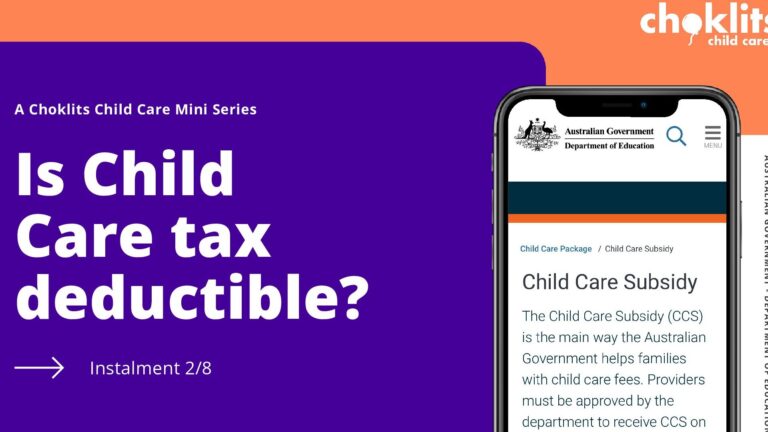
When it comes to child support payments in Australia, understanding the tax implications is crucial for both payers and recipients. In this article, we will delve into the question of whether child support is tax deductible in Australia, providing clarity and guidance on this important issue. Stay tuned to learn more about how child support payments may impact your tax obligations.
Understanding Child Support: How It Impacts Your Taxes
When it comes to child support tax deductions in Australia, it’s essential to understand how it impacts your taxes. In Australia, child support payments are not tax-deductible for the paying parent. This means that you cannot claim child support payments as a deduction on your tax return.
On the other hand, if you receive child support payments, they are not considered taxable income in Australia. This means you do not need to include child support payments as part of your taxable income when lodging your tax return.
It’s important to note that child support and family tax benefits are treated differently for tax purposes. Family tax benefits are taxable, while child support payments are not. Understanding these distinctions can help you navigate the tax implications of child support more effectively.
When it comes to filing your taxes, make sure to accurately report your income and any relevant deductions. If you have specific questions about child support and taxes, it’s advisable to consult with a tax professional or seek guidance from the Australian Taxation Office (ATO).
Understanding Child Support: Impact on Your Australian Tax Return
When it comes to child support and its impact on your Australian tax return, it’s essential to understand the rules regarding whether child support is tax deductible in Australia. This can have significant implications for your finances and how you manage your tax obligations.
In Australia, child support payments are not tax deductible for the parent making the payments. This means that you cannot claim a tax deduction for the amount of child support you pay to support your child. On the other hand, the parent receiving the child support does not need to declare these payments as income for tax purposes.
It’s important to note that while child support itself is not tax deductible, there may be other tax implications related to child support payments that you need to be aware of. For example, child support payments are not considered as income for the recipient, so they will not be taxed on that amount.
When filing your Australian tax return, it’s crucial to accurately report any child support payments made or received. Failure to do so could result in penalties or audits by the Australian Taxation Office (ATO).
Overall, understanding the tax treatment of child support in Australia is essential for ensuring compliance with tax laws and managing your financial responsibilities effectively.
Maximize Savings: Child Care Tax Deductions in Australia
When it comes to child support tax deductions in Australia, it’s essential to understand the specifics to ensure you’re maximizing your savings. While child support payments themselves are not tax-deductible, there are other avenues to explore to potentially reduce your tax burden.
One key aspect to consider is the Child Care Tax Deductions available in Australia. By claiming these deductions, you can offset some of the costs associated with child care, ultimately reducing your taxable income. To take advantage of this benefit, make sure to keep detailed records of your child care expenses and consult with a tax professional to ensure you’re claiming everything you’re entitled to.
In addition to child care deductions, it’s also crucial to be aware of any other tax credits or deductions that may apply to your situation. For example, you may be eligible for the Child Tax Benefit or the Child Care Subsidy, both of which can help ease the financial burden of raising children.
Remember that staying informed about the latest tax regulations and seeking professional advice when needed are key steps in optimizing your tax situation. By taking advantage of all available deductions and credits, you can ensure you’re not paying more in taxes than necessary.
Understanding Child Support: Minimum Payment in Australia
In Australia, child support payments are not tax-deductible for the paying parent. This means that the parent making the child support payments cannot claim them as a tax deduction on their tax return. It’s essential to understand this aspect when managing your finances and tax obligations.
When it comes to child support payments, the focus is on ensuring that the financial needs of the child are met. The Child Support Agency (CSA) calculates the amount of child support to be paid based on various factors, including the income of both parents and the costs associated with raising the child.
It’s important to note that the minimum payment of child support in Australia is determined by a formula that takes into account the income of both parents, the number of children involved, and any special circumstances that may apply. The minimum payment is adjusted annually in line with changes in the cost of living.
Parents who are required to pay child support must do so in accordance with the assessment provided by the CSA. Failure to make child support payments can have serious consequences, including legal action and enforcement measures by the CSA.
While child support payments are not tax-deductible for the paying parent, they are also not considered as assessable income for the parent receiving the payments. This means that the parent receiving child support does not need to pay tax on these payments.
It’s crucial to stay informed about the regulations and requirements related to child support payments in Australia to ensure compliance and avoid any potential issues. Seeking advice from a legal or financial professional can also provide clarity on any specific questions or concerns you may have regarding child support and tax implications.
As a final tip, remember that child support payments are not tax deductible for the payer or assessable income for the recipient in Australia. It’s important to keep this in mind when managing your finances and tax obligations.
Thank you for reading our blog on legal and tax matters related to certificates, contracts, declarations, licenses, renewals, and tax issues. If you found this information useful, don’t hesitate to leave a comment below, share this article on social media, or explore our other related articles for more insights.
Remember, while we strive to provide valuable information, always consult with a professional for personalized advice tailored to your specific situation. Stay informed, stay proactive, and make well-informed decisions in all your legal and financial matters.
Good luck on your journey towards understanding and navigating the complexities of the legal and regulatory landscape!
If you found this article informative and engaging, be sure to visit our Income Tax section for more insightful articles like this one. Whether you’re a seasoned enthusiast or just beginning to delve into the topic, there’s always something new to discover in auslegalhub.com. See you there!

