
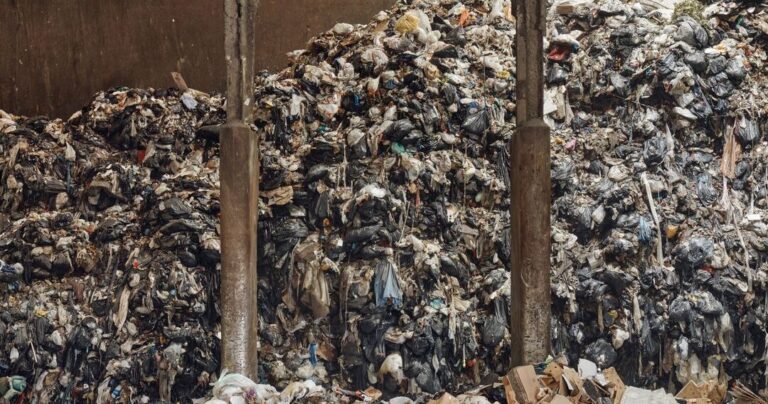
Welcome to our latest article focusing on an essential aspect of waste management – landfill licenses. In this piece, we will delve into the key information you need to know about obtaining, renewing, and complying with landfill licenses. Whether you are a business owner, a waste management professional, or simply interested in environmental regulations, this guide will provide you with practical insights and actionable advice.
Demystifying Landfill Criteria: What You Need to Know
When it comes to obtaining a landfill license, understanding the criteria involved is essential. To demystify the process for you, here are the key points you need to know:
1. Environmental Regulations: Before applying for a landfill license, familiarize yourself with the environmental regulations specific to landfills in your area. Ensure that your operations comply with these regulations to avoid any delays or rejections in the licensing process.
2. Site Suitability: The site where the landfill will be located plays a crucial role in the licensing process. Conduct a thorough assessment to determine if the site meets the necessary criteria in terms of proximity to residential areas, environmental impact, and accessibility.
3. Operational Plan: Develop a detailed operational plan that outlines how the landfill will be managed, including waste disposal procedures, monitoring systems, and contingency plans for emergencies. This plan will demonstrate your commitment to operating the landfill responsibly.
4. Financial Assurance: Most licensing authorities require applicants to provide financial assurance to cover the costs of landfill closure and post-closure care. Be prepared to present financial documentation that proves your ability to meet these obligations.
5. Community Engagement: Engaging with the local community and addressing their concerns is key to a successful landfill license application. Hold public consultations, address any issues raised, and demonstrate how your landfill will benefit the community in the long run.
By keeping these key points in mind and following the necessary steps, you can navigate the process of obtaining a landfill license more effectively. Remember to always consult with legal and environmental experts to ensure that you meet all requirements and regulations.
Unlocking the True Cost: Landfill Disposal Fees in Australia
When it comes to managing waste in Australia, understanding the landfill license requirements and associated disposal fees is crucial. Landfill disposal fees vary across different regions in Australia and are regulated by local authorities through the issuance of a landfill license. These licenses are essential for any entity looking to dispose of waste in a landfill facility.
Before embarking on any waste disposal activities, it’s important to obtain the necessary landfill license to operate legally and avoid hefty fines or penalties. To unlock the true cost of landfill disposal fees in Australia, consider the following key points:
- Research and identify the specific regulations and guidelines set by your local council or governing body regarding landfill licenses and disposal fees.
- Ensure that your waste management practices adhere to the stipulated requirements to prevent any compliance issues.
- Regularly review and update your landfill license to reflect any changes in regulations or operational activities.
By proactively staying informed about the landfill license requirements and associated disposal fees, you can effectively manage your waste disposal costs and operate within the legal framework. Remember, compliance with landfill license regulations not only benefits the environment but also helps in maintaining a sustainable waste management system.
Inside Landfills: Exploring the 4 Key Components
When it comes to obtaining a landfill license, understanding the key components involved is crucial to ensure compliance and successful operation. Let’s explore the 4 main aspects you need to consider:
1. Environmental Impact Assessment (EIA)
Before applying for a landfill license, you must conduct an Environmental Impact Assessment to evaluate the potential effects of the landfill on the environment. This process involves assessing factors such as air and water quality, soil contamination, and impact on local biodiversity. Ensure all necessary reports and studies are completed to meet regulatory requirements.
2. Site Selection and Design
Choosing the right location for your landfill is critical. Factors such as proximity to residential areas, geological stability, and access to transportation routes need to be taken into account. Additionally, the design of the landfill must adhere to safety and environmental guidelines to prevent contamination and hazards.
3. Waste Management Plan
A comprehensive waste management plan is essential for obtaining a landfill license. This plan should outline how different types of waste will be handled, segregated, and disposed of within the landfill. Implementing recycling and waste reduction strategies can also strengthen your application.
4. Monitoring and Reporting
Once the landfill is operational, regular monitoring of environmental factors is necessary to ensure compliance with regulations. Monitoring systems for air quality, leachate collection, and methane emissions should be in place. Reporting on these factors to the relevant authorities is crucial for maintaining your landfill license.
By focusing on these 4 key components – EIA, site selection and design, waste management plan, and monitoring/reporting – you can navigate the process of obtaining and maintaining a landfill license effectively and responsibly.
Demystifying Landfills in Australia: A Comprehensive Guide
Welcome to our comprehensive guide on landfills in Australia, focusing on the crucial aspect of landfill license. Understanding the regulatory framework around landfills is essential for both operators and the general public. Here, we delve into the key points related to landfill licenses to demystify this important topic.
Key Points to Consider:
- Obtaining a Landfill License: Before operating a landfill in Australia, it is mandatory to obtain a landfill license from the relevant regulatory authority. The application process typically involves submitting detailed plans and environmental impact assessments.
- Compliance Requirements: Once granted, it is crucial to adhere to the compliance requirements outlined in the landfill license. This includes regular monitoring of environmental factors, waste disposal practices, and reporting obligations.
- Renewal Process: Landfill licenses are usually valid for a specific period, after which they need to be renewed. It is essential to start the renewal process well in advance to avoid any disruptions in operations.
- Environmental Considerations: Landfill operators must prioritize environmental sustainability and ensure that their operations do not harm the surrounding ecosystem. Compliance with environmental regulations is key to maintaining a valid landfill license.
Practical Tips for Landfill Operators:
| Tip | Description |
|---|---|
| Engage with Regulatory Authorities | Building a positive relationship with regulatory authorities can streamline the licensing process and ensure smooth operations. |
| Invest in Proper Waste Management | Implementing efficient waste management practices not only benefits the environment but also demonstrates compliance with license requirements. |
| Stay Updated on Regulations | Regularly monitor any changes to regulations related to landfills to avoid non-compliance issues. |
By understanding the nuances of landfill licenses and staying proactive in compliance, operators can contribute to a sustainable waste management system in Australia. For more information on this topic and other related issues, explore our blog for insightful articles and practical tips.
As we conclude our discussion on landfill licenses, remember that staying informed and compliant with regulations is key to running a successful operation. If you have any questions or need assistance with obtaining or renewing your landfill license, don’t hesitate to reach out to the appropriate regulatory authorities or consult with a legal professional specialized in environmental law.
Thank you for joining us in exploring the world of certificates, contracts, declarations, licenses, renewals, and tax issues. Your engagement and feedback are valuable to us, so feel free to share your thoughts in the comments below or share this article with others who may benefit from it. Remember, always consult with a professional in the field to ensure you are on the right track.
If you found this article informative and engaging, be sure to visit our Trade Licenses section for more insightful articles like this one. Whether you’re a seasoned enthusiast or just beginning to delve into the topic, there’s always something new to discover in auslegalhub.com. See you there!

