
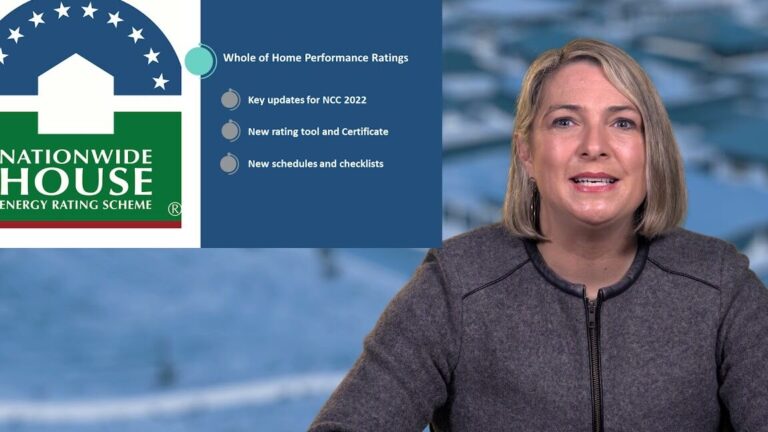
Welcome to our latest article focusing on the essential topic of NatHERS certification. If you are navigating the world of property development or renovation, understanding NatHERS certification is key to ensuring your project meets energy efficiency standards. Let’s delve into what NatHERS certification entails, why it matters, and how you can smoothly navigate this important process.
Unlocking the Essentials: Demystifying NatHERS Certificates
When it comes to NatHERS certification, understanding the essentials can make a significant difference in ensuring compliance with energy efficiency regulations. NatHERS, which stands for Nationwide House Energy Rating Scheme, plays a crucial role in assessing the thermal performance of residential buildings in Australia. One key aspect within this scheme is obtaining NatHERS certificates, which are essential for demonstrating compliance with energy efficiency requirements.
Here are some key points to demystify NatHERS certificates and streamline the certification process:
- Engage a NatHERS Assessor: To obtain a NatHERS certificate, you need to engage a qualified NatHERS Assessor. These assessors are trained to evaluate the energy efficiency of residential buildings using accredited software.
- Submit Relevant Documentation: Provide the NatHERS Assessor with all necessary documentation, including building plans, specifications, and any other relevant information required for the assessment.
- Assessment Process: The NatHERS Assessor will conduct a thorough assessment of the building’s thermal performance using specialized software to determine its energy rating. This rating is crucial for obtaining the NatHERS certificate.
- Receive NatHERS Certificate: Once the assessment is complete, the NatHERS Assessor will issue a NatHERS certificate indicating the energy rating of the building. This certificate is a vital document for compliance purposes.
- Utilize the Certificate: The NatHERS certificate can be used for various purposes, including building approvals, compliance with energy efficiency regulations, and marketing the energy efficiency of the building.
By following these steps and working closely with a qualified NatHERS Assessor, you can successfully navigate the NatHERS certification process and obtain the necessary NatHERS certificate for your residential building. Remember, compliance with energy efficiency requirements not only ensures regulatory adherence but also contributes to sustainable building practices.
Demystifying NatHERS vs. Basix: Understanding the Key Differences
When it comes to NatHERS certification, it’s important to understand the key differences between NatHERS and BASIX to ensure compliance with energy efficiency requirements in the built environment. NatHERS (Nationwide House Energy Rating Scheme) and BASIX (Building Sustainability Index) are both crucial for assessing and improving the energy efficiency of residential buildings in Australia.
Here’s a breakdown of the main differences between NatHERS and BASIX:
| NatHERS | BASIX |
|---|---|
| Focuses on energy efficiency through star ratings | Covers water efficiency, thermal comfort, and energy usage |
| Used for assessing the energy efficiency of individual dwellings | Applies to all residential developments in NSW |
| Operates nationally across Australia | Specific to New South Wales (NSW) |
Understanding these distinctions is essential for architects, builders, and developers to navigate the regulatory landscape effectively. Ensuring compliance with both NatHERS and BASIX requirements is key to obtaining necessary approvals and certifications for residential projects.
For those seeking NatHERS certification, it’s advisable to engage qualified assessors who are accredited by NatHERS to conduct energy efficiency assessments. These assessors use simulation software to calculate the energy rating of a building based on factors such as orientation, insulation, and building materials.
Keep in mind that compliance with NatHERS and BASIX standards not only enhances the sustainability of residential buildings but also adds value to properties by reducing energy costs and environmental impact. By understanding the nuances of these schemes and working with professionals experienced in energy efficiency assessments, you can streamline the certification process and ensure your projects meet the required standards.
Understanding NatHERS Certificate Costs: Your Complete Guide
When considering NatHERS certificate costs, it’s essential to understand the factors that influence pricing and how you can manage these expenses effectively. NatHERS certification plays a crucial role in ensuring the energy efficiency of buildings, making it a necessary step in many construction projects.
NatHERS certification costs can vary depending on several key elements:
- Size and complexity of the building
- Location of the project
- Number of stars aimed for in the rating
- Choice of NatHERS assessor
Understanding these factors can help you estimate and plan for the costs associated with obtaining a NatHERS certificate. Here are some practical tips to guide you through this process:
Finding the Right NatHERS Assessor
Choosing the right NatHERS assessor is crucial in managing your certification costs. Look for assessors with a good reputation and experience in your type of project. By selecting a knowledgeable professional, you can ensure an accurate assessment that meets your requirements.
Optimizing Building Design
Designing your building with energy efficiency in mind can help you achieve a higher NatHERS rating at a lower cost. Simple measures like proper insulation, orientation, and shading can significantly impact your certification expenses.
Comparing Quotes
Don’t hesitate to request quotes from multiple assessors to compare prices and services offered. This can help you find the best value for your NatHERS certification without compromising on quality.
By following these tips and understanding the key factors influencing NatHERS certificate costs, you can navigate the certification process more effectively and make informed decisions to manage your expenses efficiently.
Become a NatHERS Accredited Assessor: Step-by-Step Guide
NatHERS certification plays a crucial role in ensuring that buildings meet energy efficiency standards. Becoming a NatHERS Accredited Assessor allows individuals to assess the energy efficiency of residential buildings. Here is a step-by-step guide to help you become accredited:
Step 1: Meet the Requirements
Ensure you meet the eligibility criteria set by NatHERS. This typically includes having relevant qualifications in building design or energy assessment.
Step 2: Training
Complete the required training courses approved by NatHERS. These courses provide the necessary knowledge and skills to conduct NatHERS assessments.
Step 3: Software Proficiency
Gain proficiency in using the NatHERS software. This software is essential for conducting energy assessments and generating compliance certificates.
Step 4: Assessment Submission
Once you feel confident in your abilities, submit sample assessments to NatHERS for review. This step helps assessors demonstrate their competence in conducting NatHERS assessments.
Step 5: Accreditation
After successfully completing the above steps and meeting all requirements, you will receive NatHERS Accreditation. This accreditation allows you to perform energy assessments and issue compliance certificates.
By following these steps diligently, you can become a NatHERS Accredited Assessor and contribute to improving the energy efficiency of residential buildings.
As a final tip on NATHERS certification, remember that keeping your property energy-efficient not only benefits the environment but also your pocket in the long run. Regularly updating your certification can help you identify areas for improvement and ensure your property meets current standards. Stay informed about any updates or changes in regulations to stay ahead of the game.
Thank you for reading our blog post on NATHERS certification. We hope you found the information valuable and insightful. If you have any questions, experiences, or additional tips to share, feel free to leave a comment below. You can also share this article on social media to help others facing similar challenges. Don’t forget to check out our other related articles for more helpful insights.
Remember, this blog serves as a guide and source of information, but always consult with a professional in the field to address your specific needs and concerns.
Stay informed, stay compliant, and stay proactive in managing your certificates, contracts, declarations, licenses, renewals, and tax issues. Until next time!
If you found this article informative and engaging, be sure to visit our Other Certificates section for more insightful articles like this one. Whether you’re a seasoned enthusiast or just beginning to delve into the topic, there’s always something new to discover in auslegalhub.com. See you there!

