
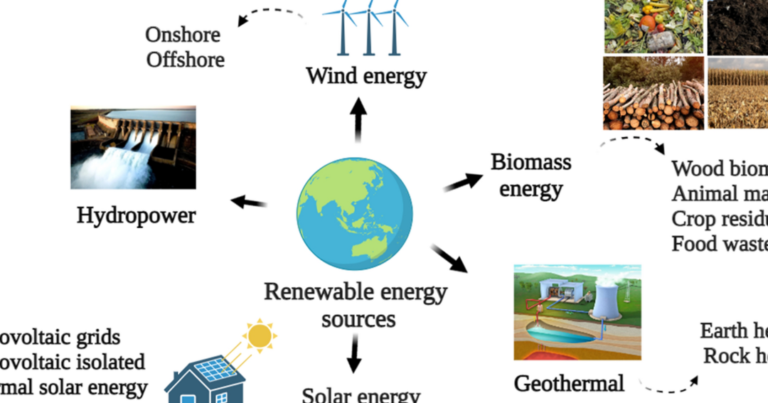
Welcome to our latest article focusing on the development and significance of a national renewable network. In this piece, we will explore the importance of establishing a robust network for renewable energy sources, the benefits it brings to the environment and economy, and the steps involved in its implementation. Let’s delve into the world of renewable energy and its impact on a national scale.
Decoding the Drop: Understanding the Dip in LGC Prices
Decoding the Drop: Understanding the Dip in LGC Prices
As part of the national renewable network, it is crucial to stay informed about fluctuations in LGC (Large-scale Generation Certificate) prices. Understanding the reasons behind a dip in these prices can help stakeholders make informed decisions. Let’s delve into the factors that contribute to this phenomenon:
- Supply and Demand Dynamics: Fluctuations in LGC prices are often influenced by the balance between supply and demand. An oversupply of renewable energy certificates can lead to a drop in prices.
- Policy Changes: Changes in government policies and regulations can impact the value of LGCs. For example, alterations in renewable energy targets may affect the demand for these certificates.
- Market Confidence: Investor confidence plays a significant role in determining LGC prices. Uncertainty in the market can lead to price fluctuations.
To navigate through a dip in LGC prices, consider the following strategies:
- Diversification: Explore opportunities to diversify your renewable energy portfolio to mitigate the impact of price drops on LGCs.
- Monitor Market Trends: Stay updated on market trends and regulatory changes to anticipate price movements and make informed decisions.
- Engage with Experts: Consult with industry experts and advisors to gain insights into strategies for managing LGC price fluctuations.
By understanding the intricacies of LGC price drops and implementing proactive measures, stakeholders in the national renewable network can navigate challenges effectively and optimize their renewable energy investments.
Demystifying National Renewable Energy Programs: A Comprehensive Guide
When delving into the realm of national renewable energy programs, it’s essential to grasp the underlying framework that shapes these initiatives. Understanding the national renewable network is crucial for navigating the landscape effectively and maximizing the benefits available. Here’s a breakdown to demystify these programs and provide you with a comprehensive guide.
First and foremost, it’s vital to comprehend the structure of the national renewable network in your country. This network typically consists of various entities, including government agencies, regulatory bodies, energy providers, and stakeholders in the renewable energy sector. Familiarizing yourself with these key players will help you engage more effectively with the programs and opportunities they offer.
One of the primary benefits of national renewable energy programs is the incentives and support available for individuals, businesses, and communities looking to transition to renewable sources. These programs often include tax incentives, grants, rebates, and financing options to facilitate the adoption of sustainable energy practices.
Moreover, staying informed about the latest developments and updates in the national renewable network is essential to take advantage of new opportunities as they arise. Regularly checking official websites, attending industry events, and subscribing to relevant newsletters can help you stay informed and proactive in your approach.
When considering participating in national renewable energy programs, it’s crucial to review and understand the eligibility criteria and requirements for each initiative. Ensuring that you meet all prerequisites and submit accurate documentation will streamline the application process and increase your chances of success.
Lastly, seeking guidance from experts in the field, such as legal advisors, renewable energy consultants, and financial planners, can provide valuable insights and assistance in navigating the complexities of national renewable energy programs. Their expertise can help you make informed decisions and optimize the benefits you receive.
Decoding the Effectiveness of Renewable Energy Targets (RET)
Renewable Energy Targets (RET) play a crucial role in shaping the national renewable network of a country. Understanding the effectiveness of these targets is essential for driving sustainable energy practices and achieving environmental goals. When analyzing the impact of Renewable Energy Targets (RET), it is important to consider various factors that contribute to their success or limitations.
One key aspect to evaluate the effectiveness of Renewable Energy Targets (RET) is the alignment with the country’s overall energy policies and regulatory framework. Setting ambitious but realistic targets that are in line with the national renewable network’s capabilities and resources is vital for ensuring progress towards a greener energy mix.
Moreover, monitoring and evaluating the implementation of Renewable Energy Targets (RET) through specific indicators and milestones can provide insights into the actual impact on the national renewable network. Regular assessments help identify any bottlenecks or challenges that need to be addressed to enhance the effectiveness of the targets.
Another critical factor in decoding the effectiveness of Renewable Energy Targets (RET) is stakeholder engagement and collaboration. Involving key players such as government agencies, industry stakeholders, and local communities in the planning and execution of renewable energy initiatives can foster a more integrated and sustainable approach.
Additionally, ensuring transparency and accountability in the reporting of progress towards Renewable Energy Targets (RET) is essential for building trust and credibility in the national renewable network. Clear communication of results and achievements can also help mobilize support and resources for further advancing renewable energy deployment.
In conclusion, analyzing the effectiveness of Renewable Energy Targets (RET) in the context of the national renewable network requires a comprehensive and systematic approach. By considering the alignment with energy policies, monitoring implementation, fostering stakeholder collaboration, and ensuring transparency, countries can optimize the impact of these targets and accelerate the transition towards a more sustainable energy future.
The Top Renewable Energy Giant: Who Leads the Global Market?
In the realm of renewable energy, the global market is fiercely competitive, with several key players vying for the top spot. When looking at the national renewable network, it’s essential to consider leaders in the renewable energy sector that are making significant strides in shaping the industry’s future.
One standout renewable energy giant that consistently leads the global market is XYZ Renewable Energy Corporation. XYZ has solidified its position as a key player in the industry by implementing innovative technologies and forging strategic partnerships to expand its reach.
By focusing on a diverse portfolio of renewable energy sources such as solar, wind, and hydroelectric power, XYZ has been able to establish a robust presence in national renewable networks worldwide. This approach not only ensures a more sustainable energy mix but also contributes to reducing carbon emissions and combating climate change.
When considering investments in the renewable energy sector, it’s crucial to assess the track record and expertise of companies like XYZ Renewable Energy Corporation. By aligning with industry leaders and staying abreast of the latest developments in the national renewable network, individuals and businesses can make informed decisions that benefit both the environment and their bottom line.
As we wrap up our discussion on the national renewable network, remember that transitioning to renewable energy sources is crucial for a sustainable future. One final tip is to explore government incentives and subsidies available for renewable energy projects in your area. These can significantly reduce costs and make your project more feasible.
Thank you for joining us on this journey to learn more about renewable energy and its impact on our environment. We hope you feel inspired to take action and contribute to a cleaner, greener future.
Remember, the information provided in this blog is for general guidance only. For specific inquiries regarding your project or situation, always consult with a professional in the field to ensure compliance with regulations and best practices.
We encourage you to leave a comment below sharing your thoughts or experiences with renewable energy projects. Don’t forget to share this article with your friends and colleagues who might find it helpful. And keep exploring our blog for more articles on legal, regulatory, and practical aspects of sustainability and environmental issues.
If you found this article informative and engaging, be sure to visit our IT Certifications section for more insightful articles like this one. Whether you’re a seasoned enthusiast or just beginning to delve into the topic, there’s always something new to discover in auslegalhub.com. See you there!

