
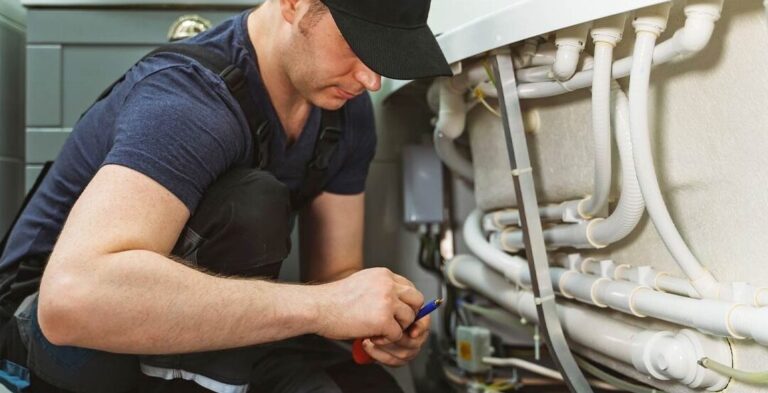
Are you considering becoming a certified plumber or wondering about the requirements for obtaining a plumber certificate? In this article, we will dive into the essential information you need to know about plumber certificates, including the benefits of certification, the application process, and how to maintain your certification once you have obtained it. Whether you are starting your career in plumbing or looking to advance in the field, understanding the significance of a plumber certificate is crucial for your professional growth and success.
Becoming a Certified Plumber in Australia: Step-by-Step Guide
If you are looking to become a certified plumber in Australia, there are several key steps you need to follow to achieve this goal. Here is a step-by-step guide to help you navigate the process smoothly:
Step 1: Obtain the Necessary Qualifications
The first step to becoming a certified plumber in Australia is to obtain the necessary qualifications. You will need to complete a Certificate III in Plumbing, which covers both practical and theoretical aspects of the trade.
Step 2: Gain Practical Experience
After completing your Certificate III, it is important to gain practical experience in the field. You can do this by working as an apprentice under a qualified plumber or by finding work with a plumbing company.
Step 3: Apply for a Plumbing License
Once you have gained the required experience, you can apply for a plumbing license. This license is essential for legally practicing plumbing in Australia. Make sure to check the specific requirements in your state or territory.
Step 4: Continuing Professional Development
As a certified plumber, it is important to engage in continuing professional development to stay up-to-date with the latest industry trends and regulations. This may involve attending workshops, courses, or seminars.
Step 5: Renewing Your License
Remember to renew your plumbing license regularly to ensure that you can continue working legally. Keep track of the renewal dates and submit the required documentation on time to avoid any disruptions to your practice.
By following these steps diligently, you can become a certified plumber in Australia and build a successful career in the plumbing industry.
Becoming a Certified Plumber in Australia: Timelines Demystified
Plumber certificate requirements in Australia involve specific timelines that need to be understood to become a certified plumber. Here is an overview of the process:
1. Enroll in an Accredited Plumbing Course: The first step is to enroll in a training course recognized by the relevant authorities. This course will provide you with the necessary skills and knowledge required to work as a plumber.
2. Gain Work Experience: After completing the training course, you will need to gain practical work experience under the supervision of a qualified plumber. This hands-on experience is crucial for your development as a plumber.
3. Apply for a Plumbing License: Once you have completed your training and gained sufficient work experience, you can apply for a plumbing license. This license is issued by the state or territory plumbing authority and allows you to work as a certified plumber.
4. Pass the Plumbing Exam: In some cases, you may be required to pass a plumbing exam to demonstrate your knowledge and skills. This exam is designed to ensure that you meet the necessary standards to work as a plumber.
5. Renew Your License: It’s important to keep your plumbing license up to date by renewing it regularly. This involves meeting any continuing education requirements and paying the renewal fee.
By following these steps and understanding the timelines involved, you can successfully become a certified plumber in Australia. Remember to stay informed about any changes in regulations or requirements to ensure that you maintain your certification.
Unlocking the Cost: How Much for a Plumber Course in Australia?
When considering pursuing a plumber certificate in Australia, it’s essential to understand the costs involved in obtaining the necessary qualifications. The cost of a plumber course can vary depending on various factors such as the type of course, institution, and location. Here are some key points to keep in mind when unlocking the cost of a plumber course in Australia:
Factors Affecting the Cost of a Plumber Course:
1. Plumber Certification Levels: Different levels of plumber certification require varying courses and training, impacting the overall cost.
2. Course Type: The type of course, whether it’s a full-time apprenticeship, part-time course, or online program, can influence the cost.
3. Institution: The reputation and accreditation of the institution offering the course can affect the fees.
4. Location: Costs may differ based on the city or state where you are pursuing your plumber certification.
Estimating Costs:
It’s crucial to research and compare the costs of different plumber courses to find one that fits your budget and goals. Here is a general overview of the potential costs involved:
| Cost Component | Estimated Range |
|---|---|
| Tuition Fees | $X,XXX – $X,XXX |
| Study Materials | $XXX – $XXX |
| Examination Fees | $XXX – $XXX |
| Membership Fees (if applicable) | $XX – $XX |
Financial Assistance:
If the cost of a plumber course seems daunting, consider exploring financial aid options such as scholarships, grants, or government assistance programs. Some institutions may also offer payment plans to help you manage the expenses more effectively.
By carefully evaluating the costs, researching available options, and planning your finances accordingly, you can embark on your journey to obtaining a plumber certificate in Australia with confidence.
Mastering Plumbing: Understanding the Highest Qualification
Plumber certificate holders who aim to reach the highest level of qualification in the plumbing industry often pursue what is known as Mastering Plumbing. This achievement signifies a significant level of expertise and experience in the field. To become a Master Plumber, individuals typically need to meet certain criteria and complete specific steps.
Here are some key points to understand about the highest qualification in plumbing:
- Educational Requirements: To become a Master Plumber, individuals usually need to have completed a certain number of years working as a licensed plumber and often need to have advanced training or certifications.
- Experience: Building a substantial amount of experience in the plumbing industry is crucial. This usually involves working on a wide range of projects and mastering various skills.
- Licensing: Obtaining the necessary licenses and certifications is essential. Master Plumbers are typically required to hold specific licenses that demonstrate their expertise and qualifications.
It’s important for aspiring Master Plumbers to research the requirements in their specific location, as these can vary from one place to another. Seeking guidance from experienced professionals in the industry can also be beneficial in understanding the process and gaining insights into what it takes to achieve this prestigious qualification.
Overall, Mastering Plumbing is a significant milestone for plumbers who are dedicated to advancing their careers and showcasing their expertise in the field. By meeting the necessary criteria, gaining valuable experience, and obtaining the required licenses, individuals can work towards becoming recognized as Master Plumbers in their communities.
As a final tip, remember that keeping your plumber certificate up to date is crucial for your professional credibility and legal compliance. Make sure to mark your calendar with the renewal dates and set reminders to avoid any lapses in certification. By staying organized and proactive, you can ensure a smooth process when it’s time to renew your certificate.
Thank you for reading our blog post on plumber certificates. We hope you found the information helpful and insightful. If you have any questions, experiences, or tips to share regarding plumber certificates, feel free to leave a comment below. You can also share this article on your social media platforms to help others stay informed.
Remember, this blog is for informational purposes only. Always consult with a professional in the field to address your specific circumstances and needs. Stay tuned for more articles on certificates, contracts, declarations, licenses, renewals, and tax issues. See you next time!
If you found this article informative and engaging, be sure to visit our Healthcare Certificates section for more insightful articles like this one. Whether you’re a seasoned enthusiast or just beginning to delve into the topic, there’s always something new to discover in auslegalhub.com. See you there!

