
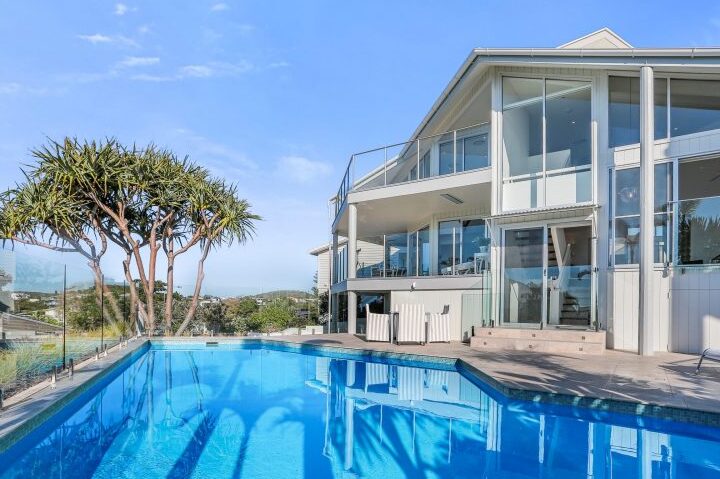
Ensuring the safety of your pool is not only crucial for the well-being of those who use it but also a legal requirement in Queensland. In this article, we will explore the essential pool safety certificate requirements in Queensland to help you navigate the regulations and keep your pool compliant and safe for all.
Understanding Pool Safety Certificates: Qld Requirements
When it comes to ensuring pool safety in Queensland, obtaining a pool safety certificate is a crucial step that every pool owner must take. Understanding the pool safety certificate requirements in Queensland is essential to comply with the law and keep your pool safe for everyone using it.
Here are some key points to consider regarding pool safety certificates in Queensland:
- Legal Obligation: In Queensland, it is mandatory for pool owners to have a valid pool safety certificate before selling or leasing their property with a pool.
- Inspections: A licensed pool safety inspector must conduct an inspection to assess if the pool complies with the pool safety standards set by the state.
- Validity: A pool safety certificate is valid for one year for a non-shared pool and two years for a shared pool.
- Non-Compliance: Failure to obtain a pool safety certificate or rectify non-compliance issues can result in hefty fines.
It’s important to note that not all pools require a pool safety certificate. For instance, pools in a shared pool complex of more than five lots, pools in a hotel, motel, or unit complex with more than two dwellings, and pools in short-term accommodation facilities are exempt from this requirement.
Remember, ensuring pool safety is not just a legal obligation but also a responsibility to protect the well-being of all pool users. By understanding and meeting the pool safety certificate requirements in Queensland, you can enjoy your pool with peace of mind knowing that it complies with the necessary safety standards.
Selling a House in Queensland: Pool Safety Certificate Requirements
When selling a house in Queensland, pool safety certificate requirements are a crucial aspect to consider. In Queensland, it is mandatory for sellers to obtain a pool safety certificate before selling a property with a pool or spa. This certificate is aimed at ensuring that the pool meets the required safety standards to prevent accidents and injuries.
To comply with pool safety certificate requirements in Queensland, sellers must:
- Ensure that the pool barrier meets the standards set by the Queensland Building and Construction Commission (QBCC).
- Engage a licensed pool safety inspector to assess the pool barrier.
- Rectify any non-compliance issues identified during the inspection.
- Obtain a pool safety certificate from the inspector if the pool barrier meets all requirements.
It is important to note that the pool safety certificate is valid for one year for a non-shared pool and two years for a shared pool. Sellers should ensure that the certificate is valid throughout the settlement period to avoid any delays or complications during the sale process.
Failure to obtain a pool safety certificate before selling a property with a pool in Queensland can result in penalties and legal consequences. Therefore, it is essential for sellers to proactively address this requirement to facilitate a smooth and compliant property transaction.
Understanding the Cost of Pool Safety Certificates in QLD
When it comes to obtaining a Pool Safety Certificate in QLD, it’s crucial to understand the associated costs to ensure compliance with the regulations. In Queensland, pool safety certificate requirements are in place to prevent drowning incidents and ensure the safety of individuals using residential pools.
Here is a breakdown of the key factors that influence the cost of obtaining a Pool Safety Certificate in QLD:
- Inspection Fee: A licensed pool safety inspector will need to assess your pool area to ensure it meets all safety standards. The inspection fee can vary based on the inspector and the size of the pool.
- Repairs and Upgrades: If the inspector identifies any non-compliance issues during the inspection, you will need to make the necessary repairs or upgrades to meet the requirements. The cost of these repairs will depend on the extent of the work needed.
- Reinspection Fee: In case the pool does not initially pass the inspection, a reinspection will be required once the necessary improvements have been made. There may be an additional fee for this follow-up inspection.
It’s important to budget for these potential costs when planning to obtain a Pool Safety Certificate in QLD. By ensuring your pool area complies with the pool safety certificate requirements QLD, you not only avoid penalties but also contribute to creating a safe environment for your family and guests.
Pool Registration in QLD: What You Need to Know
In Queensland, pool safety certificate requirements are essential for ensuring the safety of individuals using pools. When it comes to Pool Registration, there are key points that you need to be aware of to comply with the regulations:
1. Pool Safety Certificate:
Before you can register your pool in QLD, you need to obtain a pool safety certificate. This certificate proves that your pool complies with the necessary safety standards. It is valid for one year for a non-shared pool and two years for a shared pool.
2. Pool Registration:
Once you have your pool safety certificate, you can proceed with registering your pool. This registration needs to be done through the Queensland Building and Construction Commission (QBCC) website. You will need to provide details about your pool and the safety certificate during the registration process.
3. Renewal:
It’s crucial to remember that pool safety certificates need to be renewed before they expire. Failing to renew your certificate can result in penalties. Keep track of the expiration date and initiate the renewal process in a timely manner to avoid any issues.
4. Compliance:
Regularly check that your pool meets the necessary safety requirements to maintain compliance. This includes ensuring barriers are intact, gates are self-closing and self-latching, and there are no climbable objects near the pool fence.
By understanding and following these key points regarding pool safety certificate requirements in QLD, you can ensure the safety of your pool users and avoid any legal complications.
As we wrap up our discussion on pool safety certificate requirements in Queensland, remember that staying compliant is crucial to ensure the safety of everyone enjoying your pool. To make the process smoother, keep all necessary documentation up to date, schedule regular inspections, and address any issues promptly.
Before we say goodbye, remember that the information provided here is for general guidance only. For specific inquiries or legal advice, always consult with a professional in this field.
We hope this article has been insightful and helpful. If you have any questions, experiences to share, or topics you’d like us to cover in the future, feel free to leave a comment below. Don’t forget to share this article on social media to help others stay informed, and check out our other related articles for more valuable insights.
Thank you for being part of our community. Stay informed, stay compliant, and most importantly, stay safe! See you in the next post!
If you found this article informative and engaging, be sure to visit our Other Licenses section for more insightful articles like this one. Whether you’re a seasoned enthusiast or just beginning to delve into the topic, there’s always something new to discover in auslegalhub.com. See you there!

