
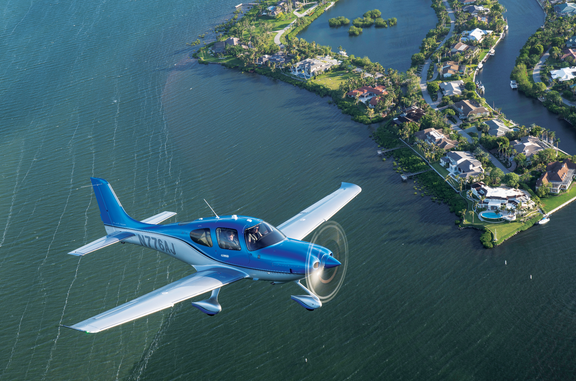
Are you dreaming of taking to the skies and experiencing the thrill of flying? A recreational pilot license could be the key to turning your aviation dreams into reality. In this article, we will explore what a recreational pilot license entails, the requirements to obtain one, and the exciting opportunities it can unlock for aspiring aviators. So fasten your seatbelt and get ready to soar into the world of recreational flying!
PPL vs. Recreational Pilot License: Understanding the Key Differences
Recreational Pilot License (RPL) and Private Pilot License (PPL) are both popular choices for individuals interested in flying for recreational purposes. Understanding the key differences between the two can help aspiring pilots make informed decisions about their training and licensing options.
One of the main distinctions between an RPL and a PPL lies in the privileges they confer. An RPL allows pilots to fly aircraft for non-commercial purposes within a limited range, typically within a specified radius of the departure aerodrome. On the other hand, a PPL offers greater flexibility and broader privileges, including the ability to fly across international borders and carry passengers for hire.
Another important factor to consider is the training requirements for each license. While the training for an RPL is less extensive compared to a PPL, both licenses require candidates to undergo rigorous training in areas such as flight theory, practical flying skills, and aviation regulations.
Here is a brief comparison of the key differences between an RPL and a PPL:
| Aspect | Recreational Pilot License (RPL) | Private Pilot License (PPL) |
|---|---|---|
| Privileges | Restricted to non-commercial flights within a limited radius. | Allows for international flights and carrying passengers for hire. |
| Training | Less extensive training requirements. | More comprehensive training program. |
| Experience | Designed for beginners and casual flyers. | Suitable for individuals pursuing a career in aviation or advanced flying. |
When deciding between an RPL and a PPL, consider your aviation goals, budget, and intended use of the license. If you are looking to fly recreationally and explore the skies within a limited range, an RPL may be the right choice for you. However, if you aspire to travel long distances, fly internationally, or pursue a career in aviation, investing in a PPL could open up more opportunities for you.
Always consult with certified flight instructors and aviation experts to get personalized advice tailored to your specific needs and aspirations. Choosing the right pilot license is a crucial step towards realizing your flying dreams and enjoying the thrill of taking to the skies.
Unlocking the Costs: Recreational Pilot License Fees in Australia
When considering obtaining your recreational pilot license in Australia, understanding the associated fees is crucial. Let’s break down the costs to help you navigate this aspect of your aviation journey.
Recreational pilot license fees in Australia can vary depending on several factors, including the type of license you are pursuing, the flight school you choose, and any additional endorsements you may require. Here is a general overview of potential costs:
| Item | Cost |
|---|---|
| Flight Training | $X – $Y per hour |
| Ground School | $Z – $W total |
| Medical Certificate | Around $V |
| Written Exams | Average $U per exam |
In addition to these costs, you may also need to budget for aircraft rental fees if you do not own your own plane. It’s essential to factor in all these expenses when planning for your recreational pilot license to avoid any surprises along the way.
Remember to inquire about any available scholarships, discounts, or financing options that could help alleviate some of the financial burden. Being proactive and well-informed about the recreational pilot license fees in Australia can make the process smoother and more manageable.
Stay focused on your goal of obtaining your recreational pilot license and use this cost breakdown as a guide to plan your budget effectively. Happy flying!
Unlocking the Skies: Your Guide to Recreational Pilot License Benefits
Obtaining a recreational pilot license can open up a world of opportunities for aviation enthusiasts. This type of license allows individuals to fly aircraft for recreational purposes, providing a thrilling and rewarding experience. Let’s delve into the benefits that come with unlocking the skies through a recreational pilot license:
1. Cost-Effective Entry into Aviation
Unlike more advanced licenses, a recreational pilot license is a cost-effective way to start your aviation journey. It requires fewer training hours and allows you to fly smaller, less complex aircraft, making it a more affordable option for those looking to explore the skies.
2. Flexibility in Flying
With a recreational pilot license, you have the flexibility to fly within a certain radius of your home airport, perfect for weekend getaways or exploring new destinations from the air. This freedom allows you to enjoy the thrill of flying without the constraints of more restrictive licenses.
3. Personal Achievement and Skill Development
Obtaining a recreational pilot license is a significant personal achievement that demonstrates your dedication and skill in mastering the art of flying. It opens doors to further training and certifications, paving the way for growth in your aviation pursuits.
4. Community and Networking Opportunities
Being part of the recreational aviation community can provide valuable networking opportunities and connections with like-minded individuals. You can share experiences, learn from others, and engage in aviation events and activities that enrich your passion for flying.
5. Enhanced Travel Experiences
Whether it’s a scenic flight over picturesque landscapes or a weekend getaway to a nearby destination, a recreational pilot license enhances your travel experiences by giving you a unique perspective from the skies. It adds a new dimension to your adventures and allows you to explore the world from a different vantage point.
Unlocking the skies through a recreational pilot license offers a multitude of benefits that cater to both seasoned aviation enthusiasts and newcomers to the world of flying. Consider embarking on this exciting journey to experience the joys and rewards of recreational flying firsthand.
Unlocking the Skies: How Many Hours for a Recreational Pilot’s License?
Obtaining a recreational pilot’s license is an exciting endeavor that allows individuals to take to the skies and enjoy the freedom of flying. One common question among aspiring pilots is: How many hours are required to obtain a recreational pilot’s license?
The Federal Aviation Administration (FAA) mandates that individuals seeking a recreational pilot’s license must complete a minimum of 30 hours of flight time. However, this requirement is flexible, and the actual number of hours needed may vary based on individual proficiency and learning speed.
It’s important to note that the 30 hours of flight time include specific allocations for dual instruction (with an instructor) and solo flight. The breakdown typically looks like this:
- Dual instruction: Approximately 15-20 hours with an instructor to learn and practice flying skills.
- Solo flight: Around 5-10 hours of supervised solo flight time to demonstrate proficiency and confidence in flying independently.
While the FAA sets the minimum requirement at 30 hours, it’s common for individuals to exceed this number before they are fully prepared to pass the required tests and evaluations. Factors such as weather conditions, personal aptitude, and consistency of practice can all influence the total time needed to obtain a recreational pilot’s license.
Remember, the key to success in obtaining your recreational pilot’s license lies in dedication, consistency, and a willingness to learn and improve your flying skills. Consider finding a reputable flight school or instructor to guide you through the process and help you reach your goal of unlocking the skies as a licensed recreational pilot.
As a final tip for those pursuing a recreational pilot license, remember that practice makes perfect. Regularly honing your skills and staying up to date with regulations and safety protocols is key to becoming a confident and competent pilot. Don’t forget to enjoy the journey and the freedom that flying brings!
Thank you for joining us on this exploration of recreational pilot licenses. We hope you found the information valuable and insightful. If you have any questions, experiences to share, or topics you’d like us to cover in the future, feel free to leave a comment below.
Remember, while we strive to provide accurate and helpful information, it’s essential to consult with a professional in the aviation field for personalized advice and guidance tailored to your specific circumstances.
Stay tuned for more articles on certificates, contracts, declarations, licenses, renewals, and tax issues. Share this article with fellow aviation enthusiasts or on your social media to spread the knowledge. Safe flying!
If you found this article informative and engaging, be sure to visit our Professional Licenses section for more insightful articles like this one. Whether you’re a seasoned enthusiast or just beginning to delve into the topic, there’s always something new to discover in auslegalhub.com. See you there!

