
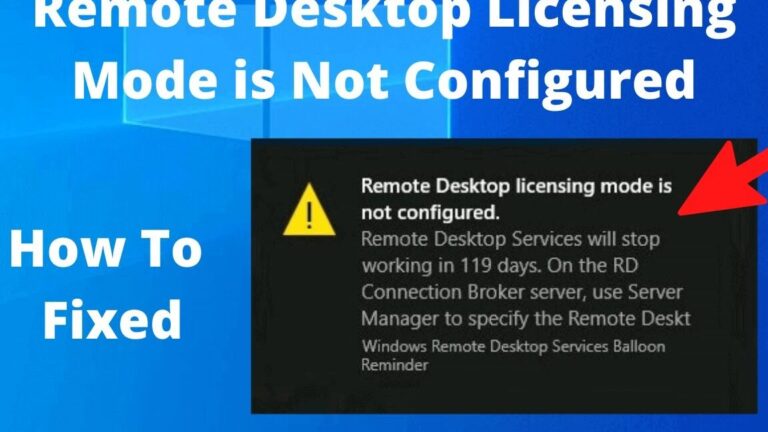
Welcome to our latest article focusing on a common issue that many of us encounter when using remote desktop services – license problems. In this quick guide, we will walk you through a simple 60-minute fix to help you resolve remote desktop license issues efficiently and get back to work without any disruptions. Let’s dive in and solve this challenge together!
Troubleshooting RDP License Problems: Practical Solutions
When facing remote desktop license issue 60 minutes fix problems, it’s essential to act swiftly to avoid disruptions in your work environment. Here are some practical solutions to troubleshoot and resolve RDP license issues efficiently:
1. Check License Configuration:
Ensure that your Remote Desktop Services (RDS) licensing server is correctly configured and that all necessary licenses are installed and activated. You can do this by accessing the Remote Desktop Licensing Manager tool.
2. Verify Licensing Mode:
Confirm that the RDS licensing mode is set correctly. You can choose between Per User and Per Device licensing modes based on your organization’s needs. Make sure the mode selected aligns with your license agreements.
3. Restart Remote Desktop Licensing Service:
If you encounter licensing issues, restarting the Remote Desktop Licensing service can often resolve them. To do this, go to Services.msc, locate the service, and choose the restart option.
4. Activate Remote Desktop License Server:
Activate the Remote Desktop License Server using the Remote Desktop Licensing Manager tool. Follow the on-screen instructions to complete the activation process successfully.
5. Update License Server Information:
Ensure that the license server information is up to date and accurate. Update any changes in the license server settings to avoid conflicts or disruptions in license validation.
By following these practical steps, you can quickly address remote desktop license issue 60 minutes fix problems and resume seamless remote desktop connections within your organization.
Understanding Remote Desktop Connection Timeout: What Happens after 60 Minutes?
When dealing with a remote desktop license issue that causes a 60 minutes fix, it’s essential to understand the implications of a Remote Desktop Connection Timeout that occurs after 60 minutes. This timeout can lead to disconnections and interruptions in your remote desktop session, affecting your work or productivity.
To address this Remote Desktop Connection Timeout problem, you can take the following steps:
- Adjust the Remote Desktop Session Host settings to extend the timeout duration.
- Modify group policies related to remote desktop connections.
- Implement registry changes to customize timeout settings.
By extending the timeout duration, you can prevent frequent disconnections and maintain a stable remote desktop connection. Additionally, reviewing group policies and making necessary registry changes can provide more control over the timeout settings, ensuring a smoother remote desktop experience.
It’s important to note that modifying these settings may require administrative privileges and careful consideration to avoid unintended consequences. Always backup your system before making changes to ensure you can revert if needed.
By proactively managing the Remote Desktop Connection Timeout issue, you can enjoy a more reliable and uninterrupted remote desktop experience, enhancing your efficiency and workflow.
Is Your Remote Desktop Service at Risk? Act Now to Avoid Disruption!
Remote desktop license issue can pose a significant risk to your business operations, potentially leading to disruptions in your remote desktop service. It’s crucial to address this issue promptly to avoid any downtime or legal complications. Here’s how you can resolve your remote desktop license issue within 60 minutes to ensure smooth functioning of your remote access system:
Check License Status
Start by checking the status of your remote desktop license. Navigate to the license settings and verify if it is active and not expired. Renew the license if necessary to prevent any disruptions to your service.
Reauthorize License
If your license appears to be valid but you are still facing issues, try reauthorizing it. Sometimes, reactivating the license can resolve any underlying problems causing the remote desktop license issue.
Update Remote Desktop Software
Ensure that your remote desktop software is up to date. Outdated software can sometimes lead to license issues. Check for any available updates and install them to maintain compatibility with your license.
Restart Remote Desktop Service
If the problem persists, try restarting the remote desktop service on your system. This simple step can often reset any glitches or errors, resolving the remote desktop license issue quickly.
By following these steps, you can address your remote desktop license issue efficiently and minimize any potential disruptions to your remote desktop service. Taking proactive measures to resolve licensing problems can help you maintain uninterrupted access to your remote desktop system.
Quick Guide: Resetting Your Remote Desktop License
If you are facing a remote desktop license issue and need a quick solution, resetting your Remote Desktop License can often resolve the problem efficiently. Here is a step-by-step guide on how to reset your Remote Desktop License in approximately 60 minutes:
Step 1: Check License Status
Before proceeding with the reset, verify the status of your Remote Desktop License. You can do this by accessing the Remote Desktop Licensing Manager tool on your server.
Step 2: Backup License Server
It is advisable to back up your License Server before making any changes to ensure that your data is safe in case of unexpected issues during the reset process.
Step 3: Reset Remote Desktop License
To reset your Remote Desktop License, follow these steps:
- Open the Registry Editor by typing “regedit” in the Windows search bar and pressing Enter.
- Navigate to HKEY_LOCAL_MACHINESOFTWAREMicrosoftMSLicensing in the Registry Editor.
- Delete the HardwareID and Store keys.
- Close the Registry Editor and restart your computer.
Step 4: Reactivate Remote Desktop License
After resetting the license, reactivate your Remote Desktop License by connecting to the Remote Desktop Session Host server. This will prompt the system to issue a new license to your device.
Step 5: Verify License Activation
Once the license has been reset and reactivated, ensure that the Remote Desktop License is successfully activated and working correctly by accessing your remote desktop connection.
By following these steps, you can resolve a remote desktop license issue by resetting your Remote Desktop License in around 60 minutes. Remember to always backup important data before making any changes to your system.
Before we part ways, here’s a final tip for resolving the remote desktop license issue in just 60 minutes: ensure that your Remote Desktop Services (RDS) licensing server is correctly configured and that it can be reached by the RDS hosts. Double-checking this setup can often quickly resolve licensing issues and get you back to work swiftly.
Remember, the information provided in this blog is intended to guide you through common challenges, but for specific or complex issues, consulting with a professional in the field is always recommended.
We hope this article has been helpful in addressing your remote desktop license concerns. Feel free to share your thoughts or any additional tips in the comments below. Don’t forget to share this article on social media to help others facing similar challenges, and explore our other related articles for more useful insights and solutions.
Thank you for reading and being part of our community!
If you found this article informative and engaging, be sure to visit our Software Contracts section for more insightful articles like this one. Whether you’re a seasoned enthusiast or just beginning to delve into the topic, there’s always something new to discover in auslegalhub.com. See you there!

