
As a sole trader support worker, understanding tax deductions is crucial to maximizing your income and minimizing your tax liability. In this article, we will explore the key deductions available to sole trader support workers, helping you navigate the complexities of tax regulations and optimize your financial situation. By the end of this read, you’ll be equipped with practical insights to make the most of your tax deductions and ensure compliance with relevant laws and regulations.
Understanding Support Workers: Sole Trader Status Explained
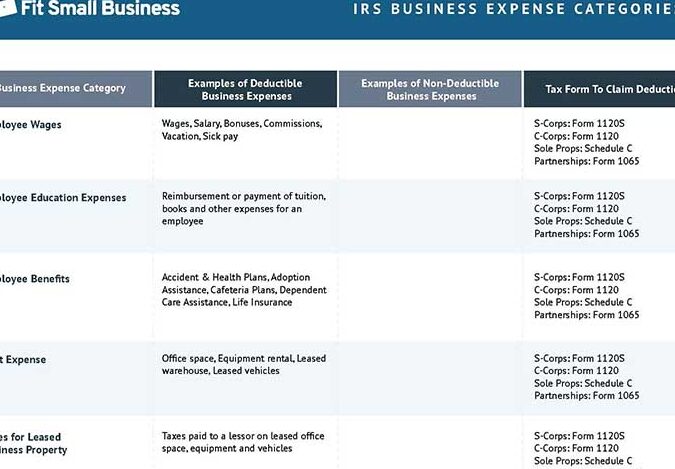
As a support worker operating as a sole trader, understanding the tax deductions available to you is crucial for managing your finances effectively. By maximizing your deductions, you can reduce your taxable income and ultimately pay less tax. Here’s a breakdown of key tax deductions that sole trader support workers should be aware of:
1. Home Office Expenses
Support workers who use a dedicated space in their home for work purposes can claim a portion of their home office expenses as a tax deduction. This can include a portion of rent, utilities, internet, and phone bills. Keep detailed records of these expenses to support your deduction claims.
2. Vehicle Expenses
If you use your vehicle for work-related travel, you can claim vehicle expenses as a tax deduction. This includes fuel, maintenance, insurance, and registration costs. Keep a logbook to track your work-related mileage and ensure accurate deduction claims.
3. Training and Development
Investing in training and development to enhance your skills as a support worker is tax-deductible. This includes course fees, study materials, and travel expenses related to training programs. Keep receipts and records of your training activities for tax purposes.
4. Supplies and Equipment
Costs associated with purchasing supplies and equipment for your support work can be claimed as tax deductions. This includes items such as uniforms, protective gear, stationery, and electronic devices. Keep receipts and invoices as evidence of these expenses.
5. Professional Memberships
Membership fees for professional associations relevant to your support work are tax-deductible. By joining industry organizations, you not only stay informed about developments in your field but also qualify for tax deductions. Keep records of your membership fees and association benefits.
By taking advantage of these tax deductions available to sole trader support workers, you can optimize your tax position and minimize your tax liability. Consult with a tax professional or accountant to ensure that you are claiming all eligible deductions and maximizing your tax savings.
Maximize Your Savings: Tax Deductions for Sole Traders
When it comes to tax deductions for sole traders, it’s essential for support workers to be aware of the potential savings they can maximize. As a sole trader in this field, understanding which expenses you can deduct can significantly impact your overall tax liability. Here are some key deductions that you should consider including in your tax return:
- Home Office Expenses: If you use a dedicated space in your home for work-related activities, you may be able to deduct a portion of your rent or mortgage interest, utilities, and other home expenses.
- Vehicle Expenses: If you use your vehicle for work purposes, you can deduct a portion of expenses such as fuel, maintenance, insurance, and depreciation. Keeping detailed records of your mileage is crucial for this deduction.
- Professional Development: Expenses related to courses, training, seminars, or workshops that are relevant to your work as a support worker are generally deductible.
- Supplies and Equipment: Any tools, equipment, or supplies you purchase for your support work can be deducted. This includes items like uniforms, protective gear, or specialized tools.
- Insurance Premiums: Deducting premiums paid for professional indemnity insurance or public liability insurance can help reduce your taxable income.
- Communication Expenses: Costs related to your phone, internet, and other communication services necessary for your business can be included as deductions.
Remember, keeping thorough records of all your expenses is crucial to substantiate your claims in case of an audit. Consider consulting with a tax professional to ensure you are maximizing all eligible deductions and staying compliant with tax regulations specific to sole traders in the support worker industry. By taking advantage of these deductions, you can effectively reduce your tax burden and increase your savings as a sole trader.
NDIS Provider: How to Register as a Sole Trader
Registering as a Sole Trader to become an NDIS Provider as a support worker can be a beneficial step to take, especially when it comes to maximizing tax deductions. As a Sole Trader, you can claim various expenses related to your work, ultimately reducing your taxable income. Here’s how to go about registering and making the most of tax deductions:
1. Register as a Sole Trader:
Before you can start claiming tax deductions, you need to register as a Sole Trader. This involves obtaining an Australian Business Number (ABN) and registering for Goods and Services Tax (GST) if your annual turnover is $75,000 or more. You can do this online through the Australian Business Register website.
2. Keep Detailed Records:
It’s crucial to keep detailed records of all your income and expenses as a support worker. This includes invoices, receipts, and any other relevant documentation. By maintaining accurate records, you’ll be able to substantiate your tax deductions in case of an audit.
3. Claimable Tax Deductions:
As a support worker, there are various tax deductions you may be eligible to claim, such as:
- Transportation expenses
- Training and education costs
- Work-related phone and internet expenses
- Uniform and protective clothing
- Public liability insurance
4. Seek Professional Advice:
When it comes to maximizing your tax deductions as a Sole Trader support worker, it’s advisable to seek advice from a qualified tax professional. They can provide tailored guidance based on your specific circumstances and ensure you’re claiming all the deductions you’re entitled to.
By following these steps and staying informed about the tax deductions available to Sole Trader support workers, you can effectively manage your finances and maximize your tax savings.
Demystifying Tax Obligations for NDIS Workers: What You Need to Know
As a sole trader support worker in the NDIS sector, understanding your tax obligations is crucial to managing your finances effectively. When it comes to tax deductions, there are specific considerations that can help you maximize your savings and ensure compliance with the law.
Key Points to Consider:
- Record-Keeping: Keep detailed records of all your income and expenses related to your support work. This will help you accurately claim deductions at tax time.
- Claimable Expenses: You can typically claim deductions for expenses directly related to your support work, such as travel costs to visit clients, required training, and any tools or equipment you need for your job.
- Home Office Expenses: If you work from home, you may be able to claim deductions for a portion of your home office expenses, such as utilities, internet, and office supplies. Make sure to calculate this accurately to avoid any issues.
- Professional Services: If you hire an accountant to help with your taxes or any other professional services related to your business, these costs are generally tax-deductible.
- Superannuation Contributions: As a sole trader, you are responsible for your own super contributions. These contributions are tax-deductible and can also help you save for retirement.
By understanding these key points and keeping thorough records, you can navigate tax deductions as a sole trader support worker more efficiently. Remember, seeking advice from a tax professional can provide personalized guidance based on your specific circumstances.
As a final tip for sole trader support worker tax deductions, remember to keep detailed records of all your expenses and consult with a tax professional to ensure you are maximizing your deductions. This will not only help you save money but also keep you organized and prepared for tax season.
Thank you for reading our blog on legal, regulatory, and practical aspects related to certificates, contracts, declarations, licenses, renewals, and tax issues. We hope you found the information valuable and actionable.
Don’t forget that consulting with a professional in the field is always recommended to receive personalized advice tailored to your specific situation.
We invite you to share your thoughts in the comments section, share this article on social media to help others, or explore more related articles on our website. Your engagement and feedback are highly appreciated!
Thank you for being part of our community! See you in the next post.
If you found this article informative and engaging, be sure to visit our Income Tax section for more insightful articles like this one. Whether you’re a seasoned enthusiast or just beginning to delve into the topic, there’s always something new to discover in auslegalhub.com. See you there!

