
When starting a business, one of the key decisions entrepreneurs must make is choosing the right legal structure. This decision not only impacts how the business is run but also has significant implications for tax obligations and benefits. In this article, we will explore the tax benefits of operating as a sole trader versus a company, helping you make an informed choice that best suits your business goals and financial circumstances.
Tax Comparison: Company vs. Sole Trader – Which Pays More?
When considering the tax benefits of operating as a sole trader versus a company, it’s essential to weigh the pros and cons of each structure. Sole traders and companies have distinct tax implications that can significantly impact how much you pay in taxes. Let’s break down the key differences between the two to help you make an informed decision.
Sole Trader Tax Benefits:
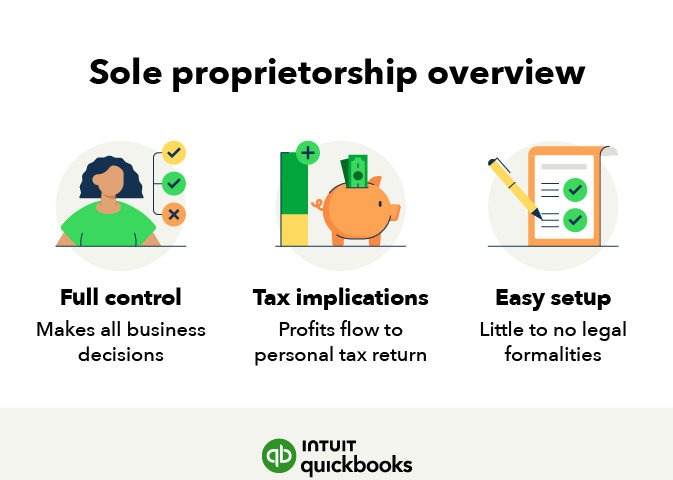
- Sole traders enjoy simplicity when it comes to taxation. They report their business income and expenses on their personal tax return.
- Profits are taxed at the individual’s personal tax rate.
- Sole traders can claim deductions for business expenses, potentially reducing their taxable income.
Company Tax Benefits:
- Companies are taxed at the corporate tax rate, which can be lower than individual tax rates in some jurisdictions.
- Companies have the ability to retain profits within the business, leading to potential tax savings compared to distributing all profits as personal income.
- Companies may be eligible for certain tax credits and incentives not available to sole traders.
When comparing the tax implications of a sole trader versus a company, it’s crucial to consider factors such as the level of income, business expenses, future growth plans, and the desire for personal liability protection. Consulting with a tax professional or financial advisor can provide personalized insights based on your specific circumstances.
Company vs. Sole Trader: Making the Right Business Structure Choice
When deciding between operating as a sole trader or setting up a company, considering tax benefits is crucial. Each business structure has its own advantages and it’s essential to choose the one that best aligns with your financial goals and circumstances.
As a sole trader, you are the sole owner of the business and personally liable for its debts. This structure is straightforward and cost-effective to set up and maintain. From a tax perspective, sole traders are taxed as individuals. This means that profits are taxed at personal income tax rates. One of the key tax benefits of being a sole trader is the ability to offset business losses against other income sources, such as employment income.
On the other hand, forming a company creates a separate legal entity that is distinct from its owners. Companies are taxed at the corporate tax rate, which can be lower than individual tax rates. This can result in potential tax savings, especially for businesses with substantial profits. Additionally, company owners have the option to retain profits within the business, allowing for tax deferral strategies.
It’s important to note that the decision between a sole trader and a company should not be based solely on tax benefits. Other factors such as legal liability, business continuity, and growth plans should also be taken into consideration. Consulting with a tax advisor or a legal professional can help you assess your specific situation and make an informed choice.
Unveiling the Drawbacks of Sole Trader: 3 Key Disadvantages
When comparing the sole trader and company tax benefits, it’s crucial to consider the drawbacks of operating as a sole trader. While being a sole trader has its advantages, there are three key disadvantages that individuals should be aware of:
- Limited Liability: As a sole trader, you are personally liable for all debts and obligations of the business. This means your personal assets are at risk if the business faces financial difficulties.
- Tax Implications: Sole traders are taxed as individuals, meaning they are subject to personal income tax rates. This can result in higher overall tax liability compared to companies that are taxed at lower corporate rates.
- Access to Capital: Sole traders may find it more challenging to access funding and capital compared to companies. Lenders and investors may perceive sole traders as higher risk due to the lack of separation between personal and business finances.
Considering these drawbacks, individuals should carefully weigh the pros and cons of operating as a sole trader versus forming a company. It’s advisable to consult with a tax professional or legal advisor to determine the most suitable business structure based on your specific circumstances and goals.
When to Transition from Sole Trader to Company in Australia: Key Factors to Consider
When considering transitioning from a sole trader structure to a company in Australia, it’s crucial to assess the key factors that can impact your tax benefits. Making this shift can have significant implications on your financial obligations and liabilities. Here are some key factors to consider:
- Tax Rates: One of the main advantages of operating as a company is the potential for lower tax rates compared to being a sole trader. Companies in Australia are subject to a flat tax rate, which can be more favorable in certain income brackets.
- Income Splitting: Companies offer more flexibility in distributing income among shareholders, allowing for tax planning strategies that can result in tax savings. This can be particularly advantageous for families or business partners.
- Asset Protection: Operating as a company provides limited liability protection, which can safeguard your personal assets in case of business debts or legal issues. As a sole trader, your personal assets are at risk.
- Franking Credits: Companies can pass on franking credits to shareholders, which can reduce the tax they need to pay on dividends. This can be a significant benefit for investors in a company structure.
- Compliance Costs: While setting up and maintaining a company involves additional compliance costs compared to being a sole trader, the tax benefits and asset protection can often outweigh these expenses.
Before making the transition, it’s advisable to consult with a tax professional or financial advisor to assess your individual circumstances and determine the most tax-efficient structure for your business. Each situation is unique, and what works best for one business owner may not be ideal for another. By carefully considering these key factors and seeking professional advice, you can make an informed decision that maximizes your tax benefits and protects your financial interests.
Before making a decision between being a sole trader or forming a company, remember that tax benefits are just one piece of the puzzle. Each business structure has its own advantages and disadvantages, so it’s essential to consider all aspects before choosing the right one for you.
As a final tip, I recommend seeking advice from a tax professional or accountant who can provide personalized guidance based on your specific situation. They can help you maximize tax benefits and ensure compliance with regulations.
Thank you for reading our blog and exploring the world of certificates, contracts, declarations, licenses, renewals, and tax issues with us. We hope you found this information valuable and practical.
Remember, this blog is for informational purposes only. Always consult with a professional in the field to address your specific needs and circumstances.
We invite you to share your thoughts in the comments section below. Have you faced challenges when deciding between a sole trader and a company structure? Your experience could help others in similar situations. Don’t forget to share this article on social media to spread the knowledge!
Stay informed, stay compliant, and stay proactive in managing your business affairs. Until next time!
If you found this article informative and engaging, be sure to visit our Income Tax section for more insightful articles like this one. Whether you’re a seasoned enthusiast or just beginning to delve into the topic, there’s always something new to discover in auslegalhub.com. See you there!

