
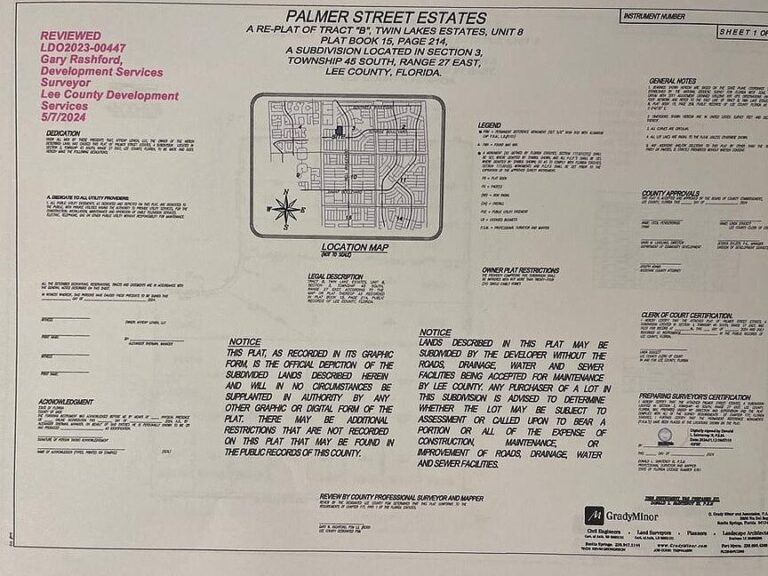
Welcome to our latest article where we delve into the important topic of subdivision certificates. If you’re considering dividing a property or have questions about the process, you’re in the right place. Let’s explore what subdivision certificates are, why they are necessary, and how to navigate the process smoothly. Stay tuned for key insights and practical tips to guide you through this aspect of property ownership and development.
Your Guide to Obtaining a Subdivision Certificate in NSW
If you’re looking to obtain a subdivision certificate in NSW, it’s essential to understand the process and requirements involved. A subdivision certificate signifies that a subdivision of land has been completed in accordance with the relevant legislation and regulations.
Here are the key steps to guide you through the process of obtaining a subdivision certificate:
- Initial Planning: Before starting the subdivision process, ensure your land meets the necessary requirements for subdivision in NSW. This may include considerations such as zoning regulations, minimum lot sizes, and infrastructure provisions.
- Development Application: Submit a development application to the local council or certifier. Include all required documentation, such as survey plans, site analysis, and any other relevant reports.
- Compliance: Throughout the subdivision process, ensure compliance with all relevant planning controls, environmental regulations, and building codes. Non-compliance can lead to delays in obtaining the subdivision certificate.
- Inspections: Arrange for necessary inspections during the construction phase to ensure that the subdivision works are carried out in accordance with approved plans and specifications.
- Final Documentation: Once all requirements are met, submit the final documentation to the council or certifier for assessment. This may include compliance certificates, as-constructed plans, and any other required paperwork.
- Issuance of Certificate: Upon successful assessment of the documentation, the council or certifier will issue the subdivision certificate. This certificate validates that the subdivision has been completed in compliance with all relevant regulations.
It’s important to follow each step diligently and ensure all requirements are met to expedite the process of obtaining your subdivision certificate in NSW.
Unlocking the Mystery: Understanding Subdivision Works Certificates
Subdivision Works Certificates are essential documents that play a crucial role in the subdivision process. Understanding these certificates is key to a successful subdivision project. A Subdivision Works Certificate is issued by the local council or relevant authority, certifying that the works related to the subdivision have been completed in accordance with the approved plans and relevant regulations.
When it comes to Subdivision Works Certificates, there are a few key points to keep in mind:
- Ensure all works are completed: Before applying for the certificate, make sure that all the required works, such as roads, drainage, and utilities, have been completed as per the approved plans.
- Compliance with regulations: It is crucial to ensure that the works comply with all the relevant regulations and requirements set by the local council or authorities.
- Application process: To obtain a Subdivision Works Certificate, you will need to submit an application to the council along with all the necessary documentation, including completion certificates from relevant contractors.
Obtaining a Subdivision Works Certificate is a significant milestone in the subdivision process, as it signifies that the necessary works have been completed satisfactorily. It is important to follow the required steps diligently to avoid any delays or issues in the subdivision process.
If you have any specific questions or need further assistance regarding Subdivision Works Certificates or any other subdivision-related matters, feel free to reach out to the local council or consult with a professional advisor specialized in subdivision processes.
Demystifying Subdivision in NSW: Your Ultimate Guide
Welcome to our guide on subdivision certificates in NSW. If you’re considering subdividing property in New South Wales, understanding the process and requirements for obtaining a subdivision certificate is crucial. Here’s a breakdown to help demystify the process:
Subdivision Certificate:
A subdivision certificate is a document issued by the local council or a private certifier that approves the final subdivision of land into separate lots. It signifies that the subdivision is compliant with all relevant regulations and conditions.
Key Steps to Obtain a Subdivision Certificate:
1. Development Application (DA): Submit a DA to the local council outlining your proposed subdivision plan.
2. Compliance: Ensure your subdivision plan complies with zoning regulations, environmental requirements, and other relevant laws.
3. Survey: Conduct a survey of the land to accurately define the new lot boundaries.
4. Infrastructure: Ensure that all necessary infrastructure such as roads, drainage, and utilities are in place.
5. Documentation: Prepare all required documentation, including survey plans, title documents, and any other supporting materials.
6. Application: Submit your subdivision certificate application along with the required fees and documents to the council or certifier.
7. Assessment: The council or certifier will assess your application against relevant planning laws and regulations.
8. Approval: Once your application is approved, you will receive the subdivision certificate.
Benefits of a Subdivision Certificate:
Obtaining a subdivision certificate enables you to legally create separate titles for each subdivided lot, allowing for individual ownership and potential sale or development of the land.
Remember, the process of obtaining a subdivision certificate can be complex, so seeking professional advice from a licensed surveyor or town planner is recommended to ensure a smooth and successful subdivision process.
Unlocking Land Potential: Subdividing Your NSW Property
If you are considering subdividing your property in New South Wales (NSW) to unlock its full potential, obtaining a subdivision certificate is a crucial step in the process. A subdivision certificate is a legal document issued by the council that authorizes the division of a parcel of land into two or more separate lots.
Before embarking on the subdivision journey, it’s important to understand the key aspects related to subdivision certificates in NSW:
- Planning Approval: Before applying for a subdivision certificate, you need to obtain planning approval from the local council. This involves submitting a development application outlining the proposed subdivision.
- Compliance: Your subdivision proposal must comply with the relevant zoning regulations, environmental requirements, and local planning policies to be eligible for a subdivision certificate.
- Survey Plan: A registered surveyor must prepare a survey plan showing the proposed lot boundaries, dimensions, and any easements or restrictions that may affect the subdivision.
Once you have met all the requirements and the council approves your subdivision proposal, you can proceed to apply for a subdivision certificate. The certificate confirms that the subdivision has been carried out in accordance with the approved plans and regulatory standards.
Obtaining a subdivision certificate is essential for legalizing the division of your property and ensuring that each newly created lot complies with the necessary regulations. It is a critical document for future property transactions and developments on the subdivided land.
Remember to engage with professionals such as town planners, surveyors, and legal advisors to guide you through the subdivision process and help you navigate the complexities of obtaining a subdivision certificate in NSW.
Before we part ways, here’s a final tip: When applying for a subdivision certificate, make sure to double-check all the required documents and information to avoid any delays or issues in the process. Attention to detail can save you time and unnecessary stress!
Remember, the information provided in this blog is for guidance purposes only. Always consult with a professional in the field to ensure you are on the right track with your specific situation.
We hope you found this article helpful and informative. If you have any questions, insights, or experiences to share about subdivision certificates, feel free to leave a comment below. Don’t forget to share this article with others who might benefit from it, and explore our other related articles for more valuable insights.
Thank you for reading and being a part of our community!
If you found this article informative and engaging, be sure to visit our Other Certificates section for more insightful articles like this one. Whether you’re a seasoned enthusiast or just beginning to delve into the topic, there’s always something new to discover in auslegalhub.com. See you there!

